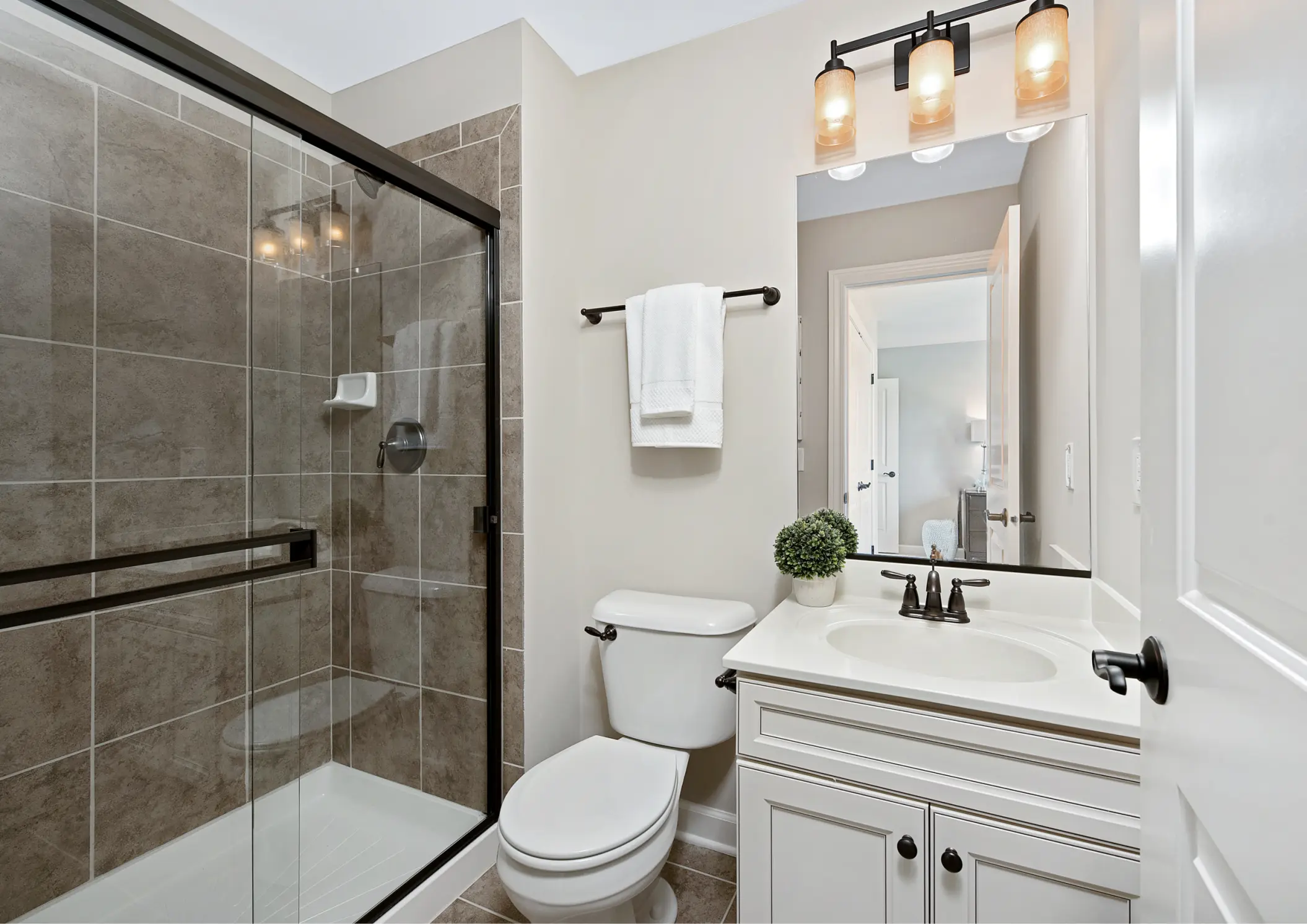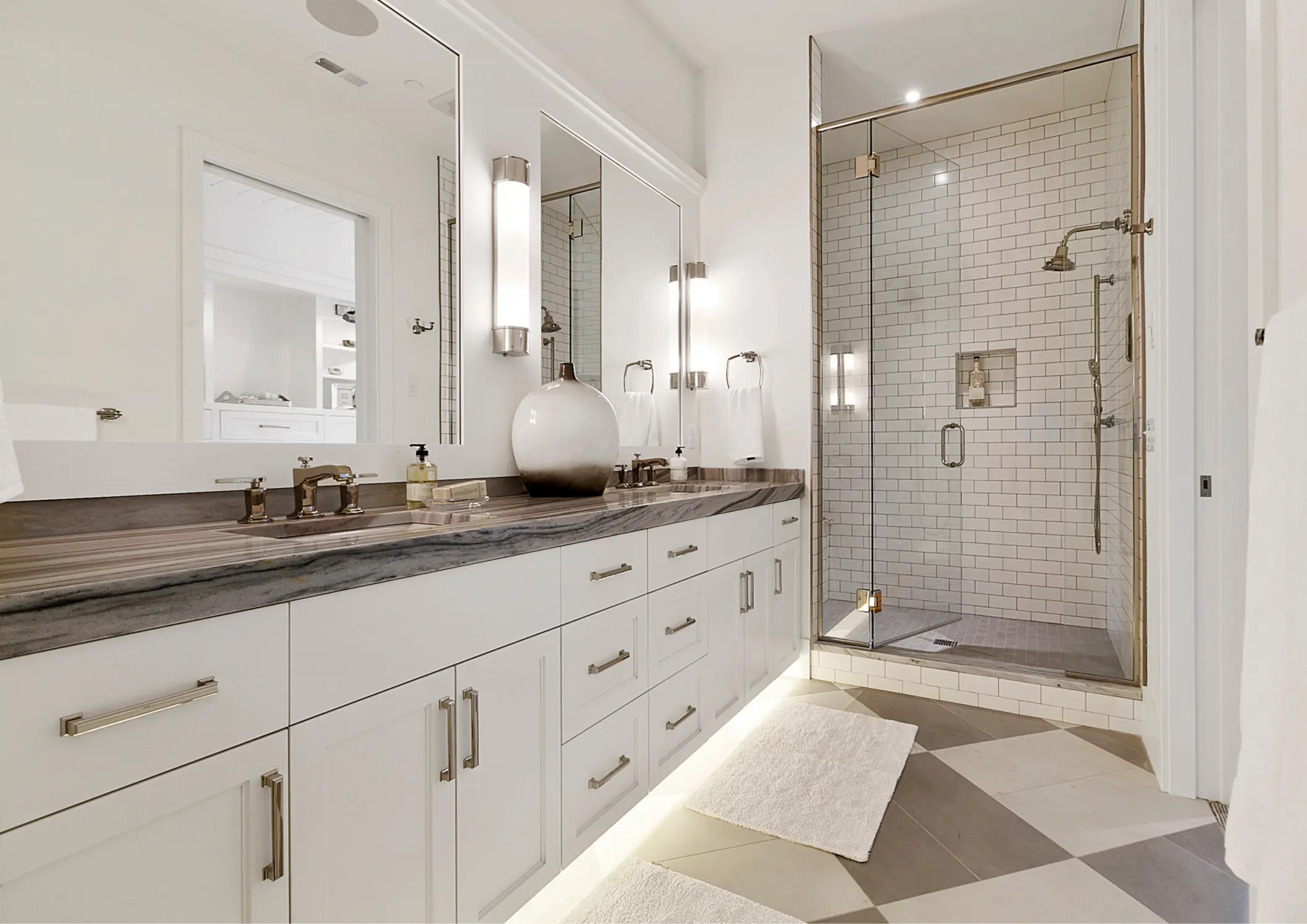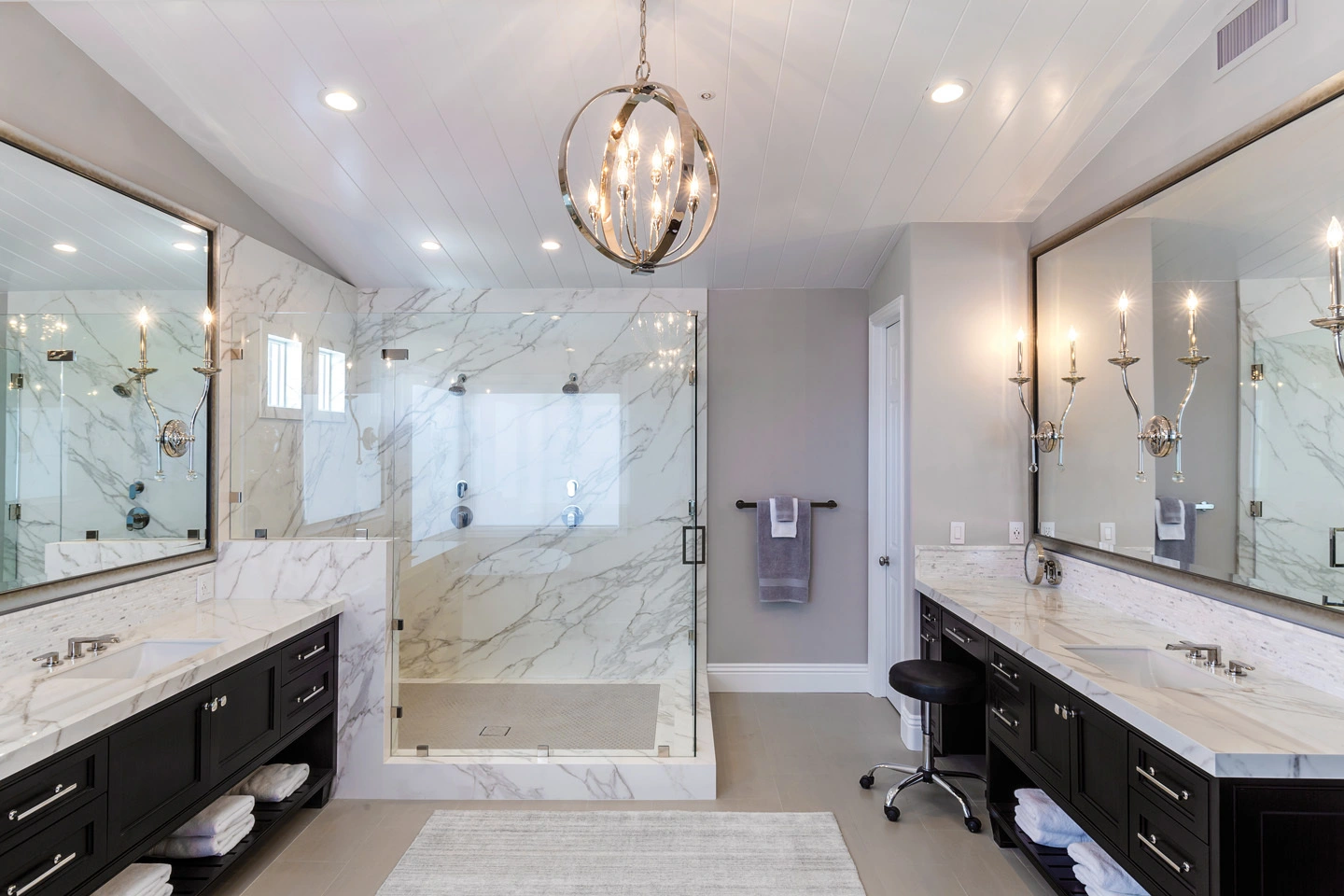
Barrier-free showers are becoming a popular choice for homeowners who want a safe, accessible, and modern bathroom. These showers eliminate barriers like raised curbs, providing easy entry and a sleek, open design. Understanding their design, installation process, and benefits can help you create a bathroom that is both functional and stylish.
What Is a Barrier Free Shower and How It Works
Barrier-free showers are designed to remove obstacles, allowing for smooth entry and exit. They are ideal for people with mobility challenges or those seeking a contemporary bathroom layout.
Key Features of a Barrier Free Shower Design
- No raised curbs or steps for easy entry.
- Open floor plan for seamless movement.
- Slip-resistant flooring to improve safety.
- Wall-mounted or freestanding fixtures for flexibility.
Difference Between Curbless and Traditional Showers
Traditional showers have a raised threshold or curb that can be a tripping hazard. Curbless or barrier-free showers remove this barrier, creating a smooth transition between the bathroom floor and shower area. This design improves accessibility without sacrificing style.
Benefits of Installing a Barrier Free Shower
Barrier-free showers offer several advantages that extend beyond aesthetics.
Improved Accessibility and Safety
Barrier-free showers reduce the risk of slips and falls. They provide easy access for individuals using wheelchairs, walkers, or anyone with limited mobility. Adding grab bars and non-slip surfaces further enhances safety.
Modern Design and Open Layout
These showers create a sense of openness and sophistication. Minimalist designs, glass panels, and freestanding fixtures contribute to a modern bathroom look. Open layouts also make small bathrooms appear larger.
Increased Home Value and Long-Term Usability
Barrier-free showers appeal to a wide range of buyers. They can increase your home’s resale value while offering long-term usability as needs change. Future-proofing your bathroom ensures comfort for years to come.
Barrier-Free Shower Design Ideas
There are many design approaches to consider when planning a barrier-free shower.
Walk-In Barrier-Free Shower Ideas
- Frameless glass panels for a sleek appearance.
- Wet room layouts where the shower shares the bathroom floor.
- Open entry showers with a seamless transition from floor to shower area.
Curbless Shower Design and Layout Options
- Linear drains along one side for proper water drainage.
- L-shaped or corner installations for space efficiency.
- Integrated benches for seating and comfort.
Choosing Materials and Finishes
Select water-resistant tiles or panels, slip-resistant flooring, and durable fixtures. Light-colored finishes and large-format tiles enhance the sense of space and modern style.
Barrier-Free Shower Dimensions and Space Requirements
Proper planning of dimensions ensures functionality and accessibility.
Recommended Shower Size and Layout
- Standard width: at least 36 inches for wheelchair access.
- Standard length: 60 inches minimum for comfortable movement.
- Allow enough space for entry, turning, and seating if needed.
Clearance and Accessibility Guidelines
- Minimum 30 inches of clear space in front of controls.
- Adequate room for grab bars and storage shelves.
- Slope floor at 1/4 inch per foot to guide water toward the drain.
Barrier-Free Shower Installation Process
A well-planned installation ensures safety, durability, and ease of use.
Preparing the Bathroom Floor and Subfloor
- Remove existing flooring and ensure the subfloor is level.
- Reinforce the floor to support fixtures and prevent sagging.
Installing Proper Drainage Systems
- Use linear or point drains designed for low-threshold showers.
- Ensure the slope directs water efficiently to prevent pooling.
Waterproofing and Slope Considerations
- Apply waterproof membranes to all wet areas.
- Maintain consistent slope toward the drain for proper drainage.
- Seal edges and corners to prevent leaks.
Barrier Free Shower Installation Cost
Costs vary depending on size, materials, and labor.
Factors That Affect Cost
- Bathroom size and layout complexity.
- Choice of tiles, fixtures, and glass panels.
- Additional features like benches or grab bars.
Material and Labor Cost Breakdown
- Materials: $1,000–$5,000 depending on finishes.
- Labor: $1,500–$3,500 for professional installation.
- Drainage and waterproofing: $500–$1,500.
Budget Planning Tips
- Prioritize essential accessibility features first.
- Choose mid-range materials to balance quality and cost.
- Get multiple quotes from licensed contractors.
Planning an Accessible Bathroom Shower Remodel
Careful planning ensures your barrier-free shower is functional and visually appealing.
Matching Shower Design with Overall Bathroom Layout
Consider the flow of the room, natural light, and placement of other fixtures. Open layouts help maximize space and accessibility.
Selecting Fixtures for Accessibility and Comfort
Opt for handheld showerheads, thermostatic controls, and built-in benches. These features improve comfort and usability.
Working with Professional Installers
Hiring experienced professionals ensures proper waterproofing, drainage, and compliance with accessibility standards. They can prevent costly mistakes and ensure long-lasting results.
Common Mistakes to Avoid in Barrier-Free Shower Design
- Insufficient floor slope leading to water pooling.
- Ignoring waterproofing or using improper materials.
- Choosing fixtures or tiles that are slippery or difficult to maintain.
- Failing to plan adequate clearance for mobility devices.
FAQs
What is the standard size for a barrier-free shower?
Standard width is at least 36 inches, and length should be 60 inches or more for comfortable movement.
How much does a barrier-free shower installation cost?
Costs typically range from $3,000 to $10,000 depending on size, materials, and labor.
Are barrier-free showers suitable for small bathrooms?
Yes, compact designs with corner installations or linear drains can fit small bathrooms while maintaining accessibility.
What type of drainage system is best for a curbless shower?
Linear drains or low-profile point drains ensure efficient water flow and prevent pooling.
Do barrier-free showers require special waterproofing?
Yes, complete waterproofing with membranes and proper sealing is essential to prevent leaks and water damage.
Conclusion
Barrier-free showers combine modern design, accessibility, and safety, making them a practical choice for any bathroom. By understanding dimensions, materials, and installation requirements, you can create a stylish and functional space. Working with professionals ensures proper installation, durability, and long-term usability while protecting your investment.

- Barrier-Free Shower Design Benefits and Installation Tips - March 23, 2026
- How to Clean a Jetted Whirlpool Tub Step by Step Guide - March 20, 2026
- Freestanding Tub Sizes Standard Dimensions and Layout Tips - March 17, 2026