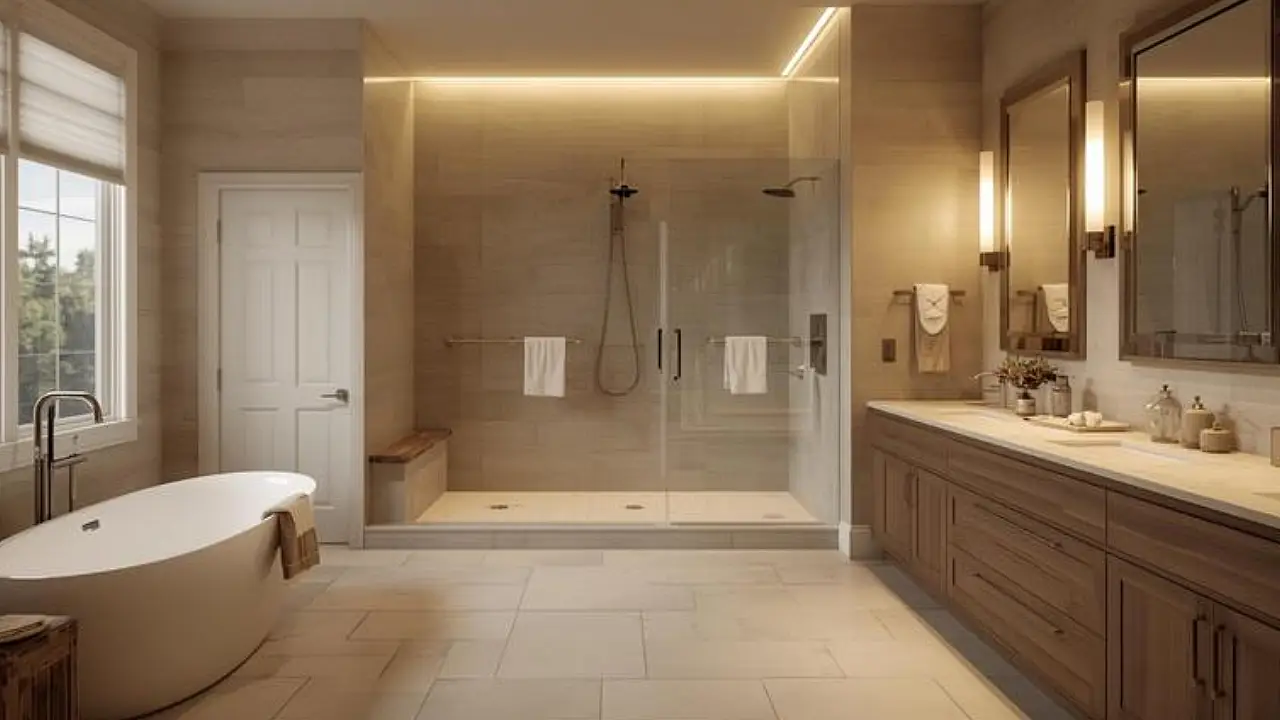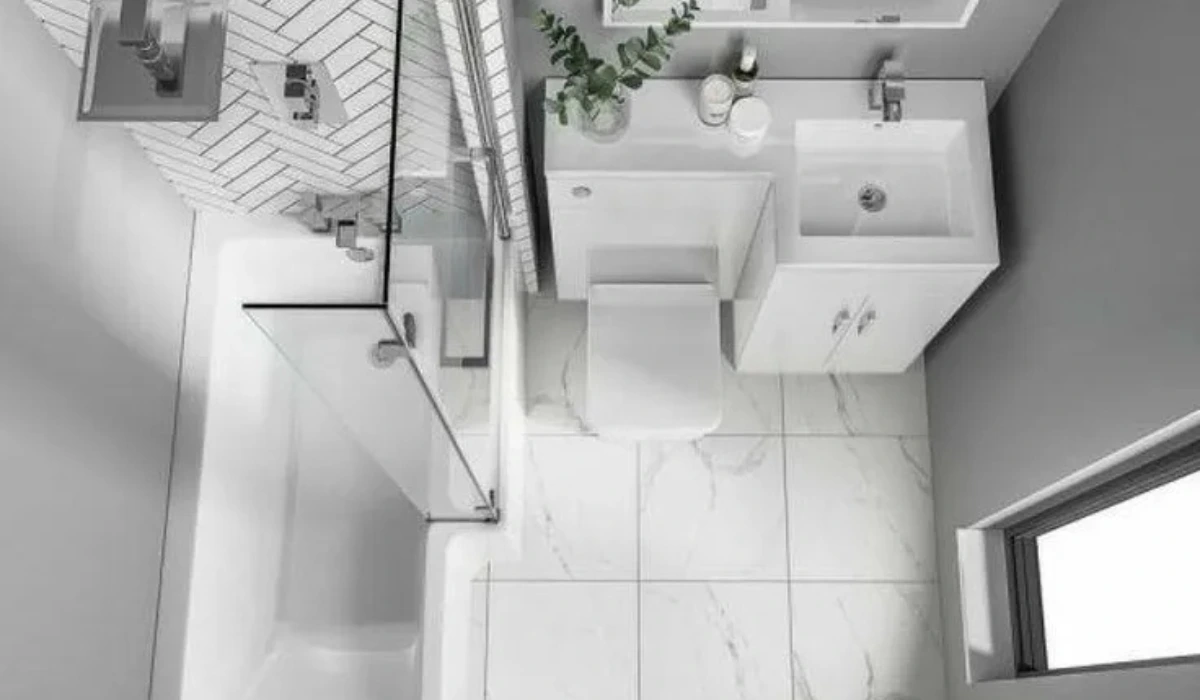
Bathroom wall paneling ideas have become a popular choice for homeowners looking to upgrade both style and functionality. Wall panels offer a clean, modern look while protecting surfaces from moisture and wear. With a wide range of designs, materials, and installation options, they provide a practical alternative to traditional tile while still delivering a high-end finish.
Popular Bathroom Wall Panel Design Ideas
Choosing the right design sets the tone for your entire bathroom. From sleek modern styles to decorative finishes, wall panels can transform the space into something both stylish and functional.
Modern Bathroom Wall Paneling Styles
Modern bathroom wall paneling styles focus on simplicity and clean lines. Smooth, seamless panels create a minimal look that makes the space feel larger and more open. Neutral tones such as white, gray, and soft beige are commonly used to maintain a timeless appearance. Matte finishes and subtle textures add depth without overwhelming the design.
Many homeowners also prefer large-format panels because they reduce visible seams, making cleaning easier and improving the overall visual flow of the bathroom.
Decorative Bathroom Wall Panel Ideas
Decorative bathroom wall panels add personality and visual interest. These designs often include textured surfaces, geometric patterns, or wood-look finishes that mimic natural materials. Accent walls behind vanities or bathtubs can create a focal point without covering the entire room.
Combining paneling with tile or painted walls is another effective approach. This layered design style allows you to highlight certain areas while keeping the rest of the bathroom simple and balanced.
Bathroom Wall Panel Materials Comparison
Selecting the right material is essential for durability, maintenance, and overall appearance. Each option offers unique benefits depending on your bathroom needs.
Waterproof Bathroom Wall Panels Ideas
Waterproof bathroom wall panels are ideal for high-moisture areas like showers and tubs. Popular options include:
- PVC panels: Lightweight, affordable, and highly water-resistant
- Vinyl panels: Durable and easy to install with a variety of finishes
- Acrylic panels: Smooth, glossy surfaces that resist mold and stains
These materials are designed to handle constant exposure to water while remaining easy to clean and maintain.
Natural and Composite Panel Options
Natural and composite materials offer a more premium look. Wood-look panels provide warmth and texture, while laminate and solid surface panels deliver durability with a refined finish.
Composite panels are engineered to resist moisture while maintaining the appearance of natural materials. They are a great choice for homeowners who want both style and long-term performance without high maintenance.
Bathroom Wall Cladding Ideas for Different Spaces
Wall paneling can be adapted to fit different bathroom layouts and functional areas. Choosing the right cladding style helps balance design and practicality.
Full Wall Paneling vs Partial Wall Designs
Full wall paneling creates a seamless, modern look that is easy to maintain. It works well in contemporary bathrooms where simplicity is a priority. Covering all walls also enhances moisture protection and durability.
Partial wall paneling, often installed halfway up the wall, offers a more traditional or decorative style. It can be paired with paint or tile to create contrast and reduce material costs. This approach works well in smaller bathrooms or powder rooms.
Paneling for Showers and Wet Areas
Shower areas require materials that can withstand constant moisture. Waterproof panels with minimal seams are ideal for these spaces. Smooth finishes are easier to clean, while lightly textured panels can improve slip resistance when used strategically.
Proper sealing and installation are essential in wet areas to prevent water damage and ensure long-term performance.
Benefits of Bathroom Wall Paneling
Bathroom wall paneling offers several advantages over traditional materials. It is easier to install, often requiring less time and labor than tile. Panels also have fewer grout lines, which reduces cleaning and maintenance efforts.
Another major benefit is water resistance. Many modern panels are designed specifically for wet environments, helping protect walls from moisture damage. With a wide variety of styles available, homeowners can achieve both modern and classic looks without sacrificing durability.
Planning Your Bathroom Wall Panel Installation
Careful planning ensures a smooth installation process and a professional-looking result.
Measuring and Preparing the Walls
Accurate measurements are essential before installing panels. Walls should be clean, dry, and level to ensure proper adhesion. Any existing damage, such as cracks or uneven surfaces, should be repaired before installation begins.
Planning for cuts around fixtures, outlets, and corners helps avoid delays and ensures a precise fit. Taking time during preparation improves both appearance and longevity.
Bathroom Wall Panel Installation Ideas
- Decide between DIY installation or hiring professionals
- Plan panel layout to minimize visible seams
- Align panels carefully for a clean and uniform finish
- Use proper adhesives and sealants for durability
Following these steps helps achieve a polished look while reducing the risk of installation issues.
Budget Bathroom Wall Panel Ideas
Upgrading your bathroom does not always require a large budget. Affordable materials like PVC and laminate panels provide a stylish look at a lower cost. These options are widely available and come in various finishes that mimic tile or stone.
Choosing partial wall paneling instead of full coverage can also reduce expenses while still enhancing the design. Focusing on high-impact areas, such as shower walls or vanity backdrops, allows you to achieve a modern upgrade without overspending.
Common Mistakes to Avoid with Wall Paneling
Avoiding common mistakes can save time and prevent costly repairs:
- Skipping proper wall preparation before installation
- Using non-waterproof materials in wet areas
- Misaligning panels, leading to uneven finishes
- Failing to seal joints and edges properly
- Ignoring manufacturer guidelines for installation
Careful planning and attention to detail help ensure a long-lasting and visually appealing result.
FAQs
What are the best materials for bathroom wall panels?
PVC, acrylic, and vinyl panels are among the best options due to their water resistance and low maintenance.
Are bathroom wall panels better than tiles?
Wall panels are easier to install and maintain, while tiles offer more design flexibility. The best choice depends on your preferences and budget.
Can wall panels be installed over existing walls?
Yes, many panels can be installed over existing surfaces if the walls are clean, dry, and in good condition.
How do I maintain bathroom wall panels?
Regular cleaning with mild soap and water is usually enough. Avoid abrasive cleaners that may damage the surface.
Are waterproof panels suitable for showers?
Yes, waterproof panels are specifically designed for wet areas and provide reliable protection when properly installed.
Conclusion
Bathroom wall paneling ideas offer a practical and stylish way to upgrade any bathroom space. With a wide range of designs, materials, and installation options, panels provide flexibility for both modern and traditional styles. Careful planning, proper material selection, and attention to installation details ensure long-lasting results. For homeowners seeking a polished finish and reliable performance, professional guidance can help bring the entire design together smoothly.

- Bathroom Wall Paneling Ideas, Designs, Materials and Styles - April 6, 2026
- Contemporary Master Bathroom Ideas Design Tips and Layouts - March 26, 2026
- Curbless Shower Installation Steps, Requirements and Tips - March 24, 2026