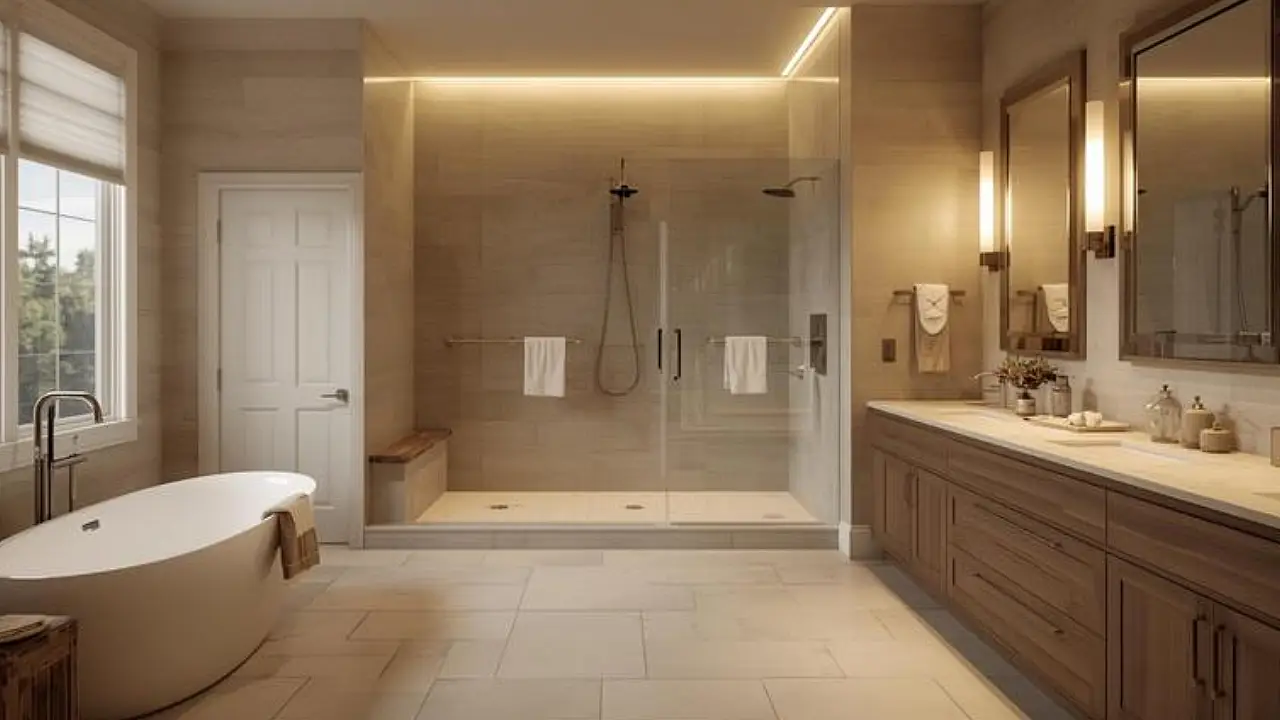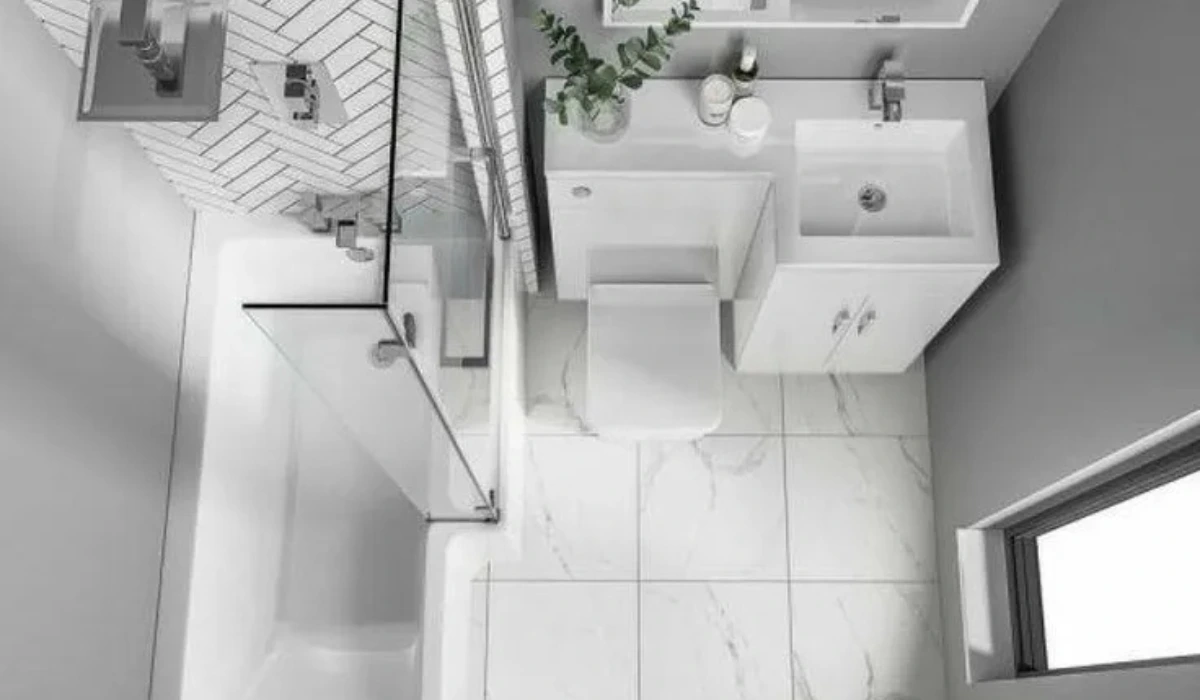
Replacing your bathtub is one of the most effective ways to refresh your bathroom and improve comfort, function, and overall style. Whether you prefer a sleek modern look or a classic design, choosing the right bathtub can completely transform the space. With many bathtub replacement options available today, it is important to understand the different types, materials, and features that suit your needs and bathroom layout.
Why Replacing Your Bathtub Matters
A new bathtub can enhance your daily comfort, upgrade your bathroom’s appearance, and even increase your home’s value. Older tubs may show stains, cracks, or outdated styles that affect the entire room. Replacing the bathtub also gives you a chance to improve safety, maximize space, or switch to a type that fits your lifestyle better. Whether you want a deeper soaking, easy entry, a spa-like feel, or a space-saving solution, the right bathtub replacement supports your bathroom goals.
Popular Bathtub Replacement Types
Freestanding Bathtubs
Freestanding tubs offer an elegant focal point and work well in bathrooms that have enough open floor space. They come in many shapes including oval, rectangular, and slipper styles. Homeowners choose standalone tubs when they want a luxurious look and a design that stands out. They pair beautifully with modern and contemporary bathroom layouts.
Built-In and Alcove Bathtubs
Built-in and alcove bathtubs are popular for their practicality and space efficiency. These tubs fit well against walls and are excellent for small bathroom bathtub solutions. Alcove tubs are perfect for families and bathrooms that also include a shower. Their simple installation and clean appearance make them a dependable choice for many homes.
Drop-In Bathtubs
Drop-in tubs are installed inside a customized frame or surround. This style gives homeowners more freedom to create a personalized design using tile, stone, or wood around the tub. Drop-in tubs work well in both traditional and modern bathroom layouts and offer flexibility in placement, whether in a corner or a central platform.
Walk-In Bathtubs
Walk-in bathtubs are designed for easy entry and safety. These tubs have a built-in door and a comfortable seat, making them ideal for older adults or anyone with mobility concerns. Walk-in bathtub options often include jets, hand-held shower wands, and textured floors for added comfort and support.
Corner Bathtubs
Corner bathtubs maximize space by fitting neatly into angled areas. They are great for smaller bathrooms where a standard tub may not fit comfortably. Corner tubs often provide a wide bathing area while using less wall space, making them a smart solution for unique bathroom layouts.
Material Choices for Replacement Bathtubs
Acrylic Bathtubs
Acrylic is one of the most common bathtub materials because it is lightweight, durable, and comfortable to use. It retains heat well and comes in a wide range of styles. Acrylic is also easy to maintain and ideal for many bathroom remodeling projects.
Cast Iron Bathtubs
Cast iron tubs offer a classic, long lasting feel with excellent heat retention. Their enamel surface gives a smooth finish that looks beautiful in both modern and traditional bathrooms. Although cast iron tubs are heavier and require strong floor support, they are known for their durability and timeless appearance.
Freestanding vs Built-In Bathtubs: Which Is Better?
Both freestanding and built-in tubs have advantages, and the right choice depends on the bathroom design and how you plan to use the space. Freestanding tubs are perfect for creating a statement and adding elegance. They work best in larger bathrooms with open space.
Built-in tubs, including alcove styles, fit well in smaller bathrooms and provide a functional setup that often includes a shower. They are practical, efficient, and ideal for everyday use. If you need both style and flexibility, either option can work, but your final decision will depend on layout, plumbing, and design preference.
Bathtub Replacement Options for Small Bathrooms
Small bathrooms require smart planning to make the most of limited space. Alcove tubs are often the best fit because they use wall space efficiently and allow room for both a bath and shower. Corner tubs are another solution that helps open up the middle of the room. Shorter soaking tubs and compact bathtub designs are also available for tight spaces. Choosing the right size ensures comfort without overwhelming the room.
Modern Bathtub Options to Elevate Your Bathroom
Modern bathtub options include sleek shapes, deep soaking tubs, and ergonomic designs that focus on relaxation. Many modern tubs feature smooth edges, minimalistic styles, and clean lines that give the bathroom an updated feel. Homeowners are also choosing tubs with air jets, whirlpool features, or heated surfaces for a spa-inspired experience. These upgrades can completely enhance the atmosphere of your bathroom.
Bathtub Removal and Installation Overview
Replacing a bathtub involves removing the old unit, preparing the surrounding space, and installing the new tub. This process includes disconnecting plumbing, checking the wall framing, and ensuring proper leveling and sealing. Depending on the tub type, installation can take anywhere from several hours to a full day. Homeowners should plan for noise, limited bathroom access, and possible adjustments to plumbing or flooring. Understanding this process helps make the remodel smoother and more predictable.
FAQs
How long does it take to replace a bathtub?
Most bathtub replacement projects take one day for removal and installation, although complex layouts may take longer.
What is the best bathtub material for long-term use?
Cast iron and acrylic are both excellent options. Cast iron is extremely durable, while acrylic offers lighter weight and easy maintenance.
Can I replace a tub in a small bathroom?
Yes, alcove tubs, corner tubs, and compact soaking tubs work very well in small bathrooms.
How much does bathtub replacement cost?
The cost of replacing a bathtub varies depending on the tub type, material, and installation needs. Acrylic tubs are typically more affordable while cast iron and luxury options cost more.
Final Thoughts
There are many bathtub replacement options that fit different bathroom sizes, styles, and comfort needs. Whether you prefer a freestanding tub for a luxurious feel or a built-in tub for a practical layout, the right choice will enhance your daily routine and transform your bathroom. By understanding the types, materials, and design possibilities available, you can select a bathtub that supports both beauty and long-lasting performance.

- Contemporary Master Bathroom Ideas Design Tips and Layouts - March 26, 2026
- Curbless Shower Installation Steps, Requirements and Tips - March 24, 2026
- Barrier-Free Shower Design Benefits and Installation Tips - March 23, 2026