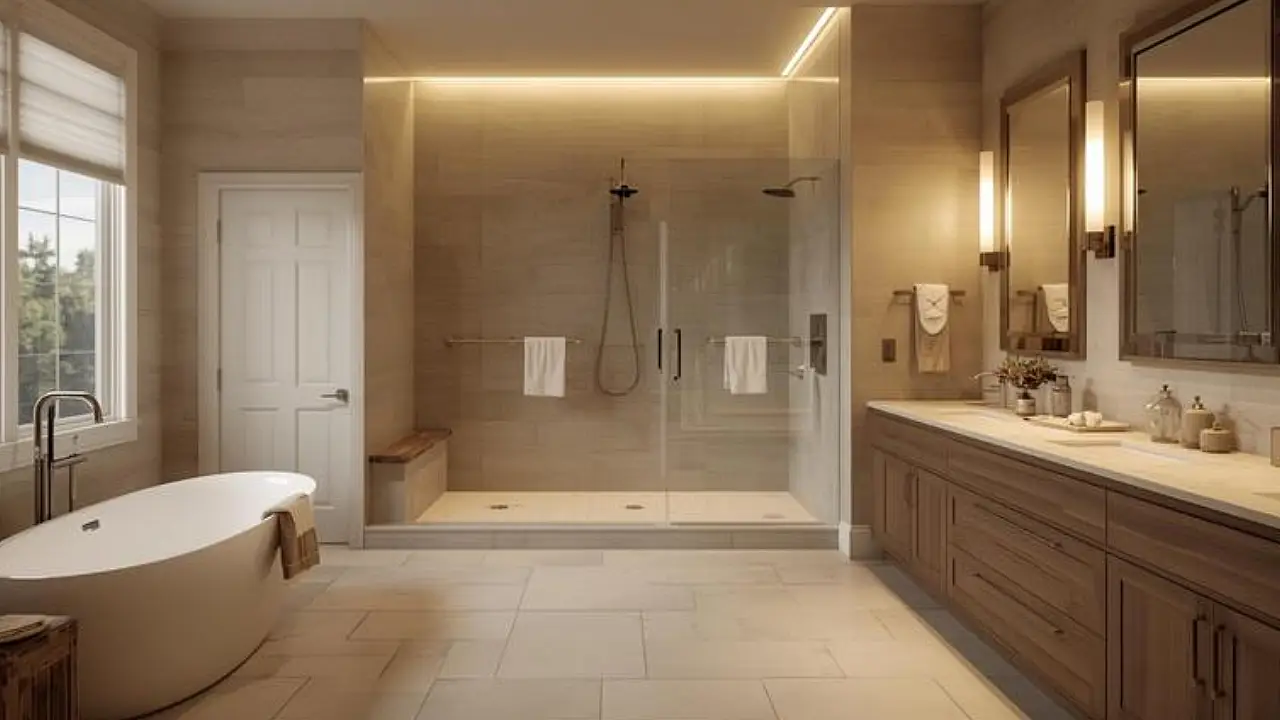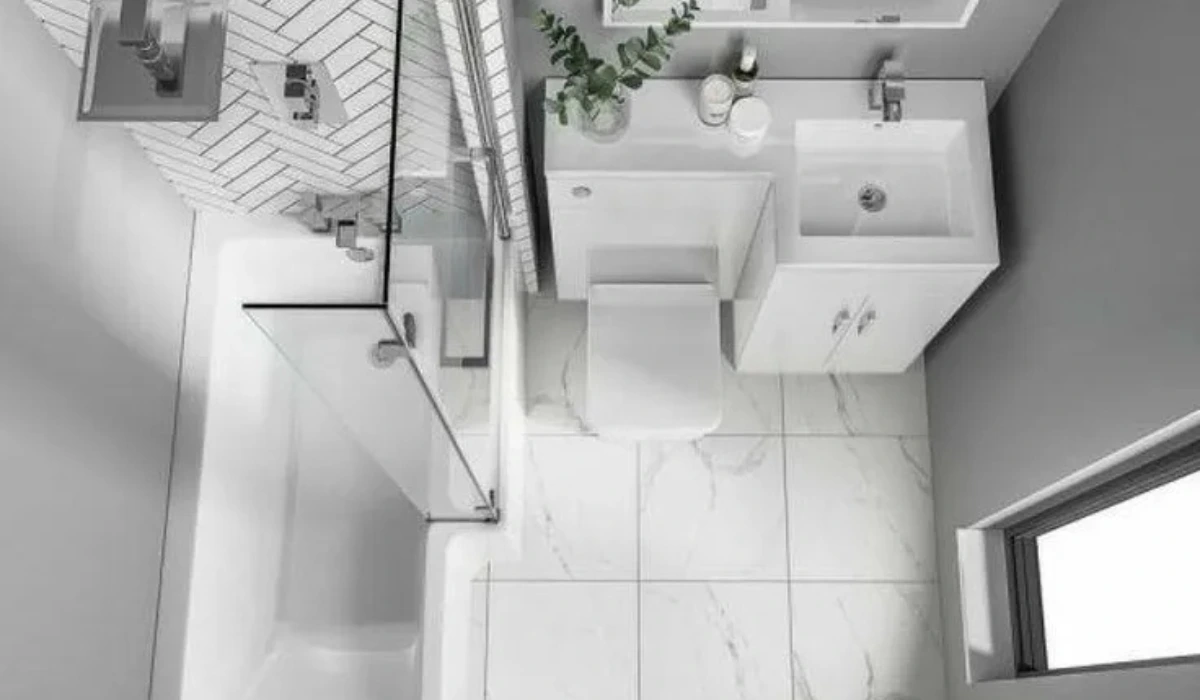
Updating your bathroom with a bathtub wall surround can dramatically improve both its look and functionality. Wall surrounds provide a sleek, waterproof finish that is easier to clean than traditional tile. With the right tools, materials, and preparation, homeowners can achieve a durable, professional-looking installation. This guide walks you through every step to ensure your bathtub wall surround lasts for years.
Tools and Materials Needed for Installation
Essential Bathtub Wall Surround Tools
To start your installation efficiently, gather the necessary tools. Essential tools include a measuring tape, level, utility knife, adhesive spreader or trowel, caulking gun, drill, and safety equipment like gloves and goggles. These tools will help you achieve accurate cuts, secure placement, and proper sealing.
Materials and Supplies Preparation
Along with tools, you will need your wall surround panels, adhesive or construction glue, silicone sealant, corner trim pieces, and backer board if required. Preparing all materials ahead of time ensures a smoother installation and reduces the risk of mistakes or delays. Make sure the panels match your bathtub dimensions and that all accessories are compatible with your design.
Preparing the Bathroom for Wall Surround Installation
Cleaning and Inspecting the Area
Before installing your surround, clean the walls thoroughly. Remove any soap scum, mildew, or old adhesive residue. Inspect the surface for water damage or mold. Repair any imperfections to create a solid, smooth surface for the new surround.
Removing Existing Wall Fixtures
If your bathroom currently has tiles, panels, or old wall surrounds, remove them carefully. Take off faucets, soap holders, and any hardware that might obstruct the installation. Proper removal prevents damage to the underlying walls and ensures the new surround fits flush against the surface.
Step-by-Step Bathtub Wall Surround Installation
Measuring and Cutting Panels to Fit
Accurate measurements are crucial for a perfect fit. Measure the width, height, and depth of the walls surrounding the bathtub. Transfer these measurements to your panels and mark the cuts. Use a fine-tooth saw or utility knife for precise cutting. Cutting panels to size beforehand avoids gaps and ensures a seamless look.
Attaching Wall Panels Securely
Apply a high-quality adhesive to the back of each panel. Press the panel firmly against the wall, starting from one corner and working across. Use a level to keep each panel straight and aligned. Install corner trim pieces where necessary to cover gaps and provide a finished appearance. Hold panels in place until the adhesive sets according to manufacturer instructions.
Sealing and Waterproofing the Surround
Waterproofing is essential for durability. Apply silicone sealant along all panel seams, corners, and edges. This prevents water from seeping behind the surround and causing damage. Smooth the sealant with a caulking tool or your finger for a clean, professional finish. Proper sealing ensures your surround remains watertight and low-maintenance.
DIY Installation Tips for Best Results
To achieve a professional look, always double-check your measurements before cutting. Dry-fit panels before applying adhesive to confirm alignment. Use painter’s tape to hold panels in place temporarily if needed. Work slowly and methodically, and follow adhesive and sealant curing times. Avoid rushing, as patience directly affects the final result.
Common Bathtub Wall Surround Installation Mistakes
Many homeowners make simple errors that compromise the installation. Common mistakes include:
- Incorrect measurements leading to gaps or uneven panels.
- Skipping surface preparation, resulting in poor adhesion.
- Insufficient sealing at seams and corners, allowing water infiltration.
- Using the wrong adhesive for the panel material.
Avoiding these mistakes ensures a longer-lasting, watertight installation.
Maintenance and Longevity Tips
To keep your bathtub wall surround in excellent condition, clean it regularly with non-abrasive cleaners. Check seams and corners for cracks or peeling sealant and reapply silicone if necessary. Avoid hanging heavy objects on the panels. Proper care extends the life of your surround and keeps it looking fresh.
FAQs
Can I install a bathtub wall surround myself?
Yes, DIY installation is possible with the right tools, materials, and careful planning. Basic handyman skills are sufficient for most standard surrounds.
How do I waterproof a bathtub wall surround properly?
Use high-quality silicone sealant along all seams, corners, and edges. Ensure the adhesive and panels are compatible with a wet environment.
What tools are required for acrylic bathtub surround installation?
Common tools include a measuring tape, level, utility knife, drill, adhesive spreader, and caulking gun.
Can a surround be installed over existing tile?
Yes, provided the tiles are clean, level, and firmly attached. Use a suitable adhesive rated for overlay applications.
How long does it take to install a bathtub wall surround?
Installation time depends on skill level and bathroom size but generally ranges from a few hours to a full day, excluding adhesive curing time.
Conclusion
Installing a bathtub wall surround is a practical way to enhance both the aesthetics and functionality of your bathroom. With proper preparation, the right tools, and careful attention to measurements and waterproofing, a DIY installation can look professional and last for years. For homeowners seeking a perfect finish or handling complex layouts, professional assistance can provide added confidence and ensure a durable, watertight result. Proper care and maintenance will keep your surround looking fresh and safe for everyday use.

- Contemporary Master Bathroom Ideas Design Tips and Layouts - March 26, 2026
- Curbless Shower Installation Steps, Requirements and Tips - March 24, 2026
- Barrier-Free Shower Design Benefits and Installation Tips - March 23, 2026