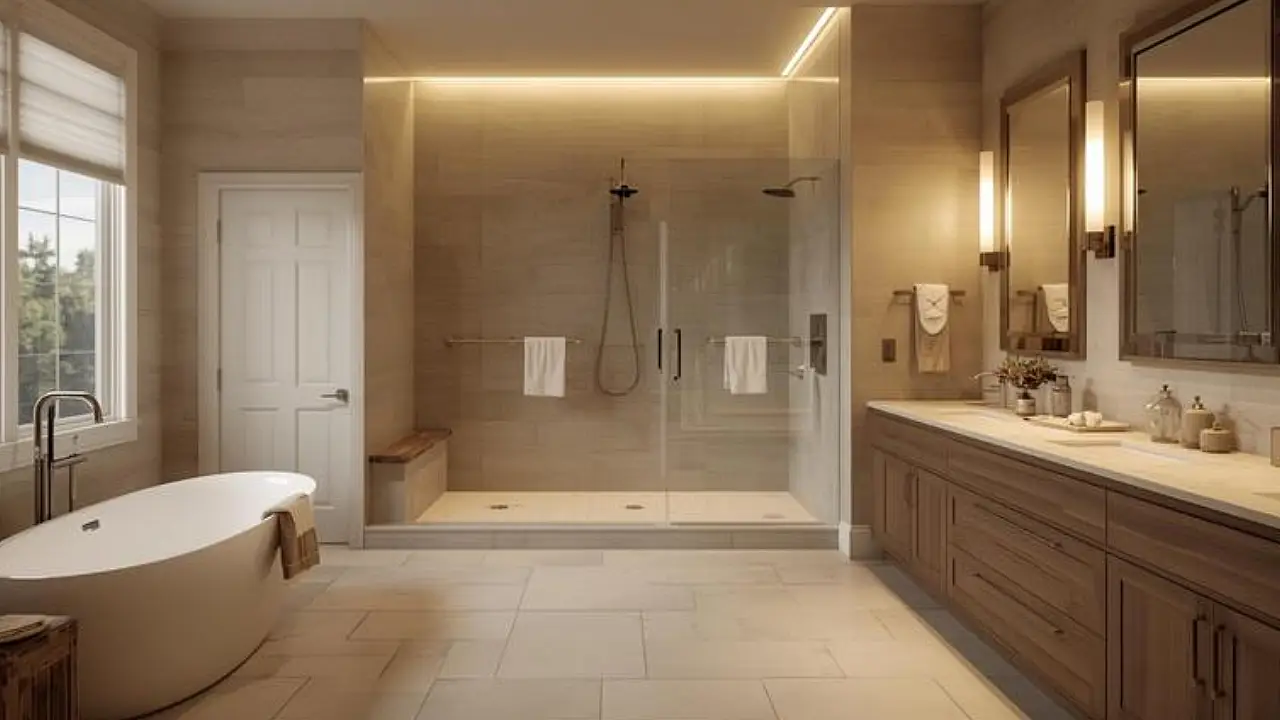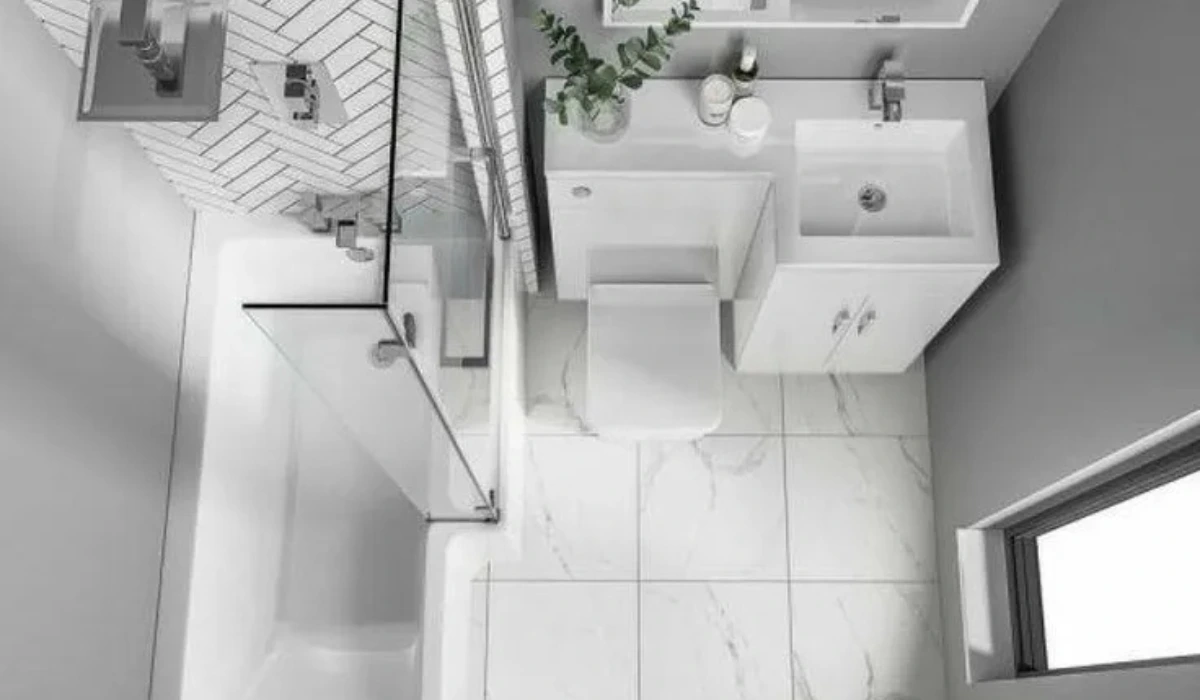
A bathroom remodel is one of the most common home improvement projects across the United States, especially in cities like Los Angeles, where homes range from older properties to newer builds. Many homeowners consider doing the work themselves to save money and stay in control of the project. A DIY bathroom remodel can be rewarding, but it also requires planning, patience, and realistic expectations.
This guide explains how to remodel a bathroom step by step using clear and simple language. It is written for US homeowners, renters with permission, and small property owners who want practical guidance they can trust.
Is a DIY Bathroom Remodel Right for You?
Before picking up tools or buying materials, it is important to decide if a DIY bathroom remodel makes sense for your situation. Not every bathroom or homeowner is a good fit for a full do-it-yourself project.
When DIY Works
A DIY bathroom remodel usually works best when:
- The bathroom is small to medium in size
- The layout will stay mostly the same
- Plumbing and electrical systems are in good condition
- You plan cosmetic or surface-level updates
DIY is common for tasks like painting, replacing a vanity, installing new fixtures, updating lighting, or laying basic tile. Many homeowners in Los Angeles start with guest bathrooms or half baths to gain experience.
Skill Level, Time, and Budget Considerations
Ask yourself a few honest questions before starting:
- Do you have basic home repair skills?
- Can you commit evenings and weekends for several weeks?
- Do you have extra funds in case of mistakes or surprises?
Bathroom remodels often take longer than expected. A project that looks simple on paper can uncover water damage, old wiring, or plumbing issues. You should also check local permit rules. In California, plumbing and electrical changes usually require permits. You can review general permit guidance at the California Department of Consumer Affairs website: https://www.dca.ca.gov
Types of Bathroom Remodels
Bathrooms can be remodeled in different ways depending on goals, budget, and condition of the space.
Surface-Level vs. Full Bathroom Remodels
A surface level remodel focuses on visible updates. It usually includes:
- New paint
- Updated fixtures
- New vanity or mirror
- Light flooring or tile work
This type of remodel is faster and lower cost.
A full bathroom remodel involves removing most elements down to the walls or studs. It may include new plumbing lines, electrical upgrades, waterproofing, and major layout work. This option costs more and takes longer but allows complete customization.
Layout Changes and Replacement Remodels
Some remodels fall in between. A replacement remodel keeps the same layout but replaces all major parts like the tub, toilet, vanity, and flooring. Layout change remodels move fixtures to new locations, which adds cost and complexity. Moving plumbing is often the biggest challenge in a DIY project.
Planning Your Bathroom Remodel
Good planning is the most important part of a successful remodel. Rushing into work without a plan often leads to delays and higher costs.
Decide on Layout and Final Design
Start by deciding whether the layout will stay the same. Keeping plumbing in place saves time and money. Then choose your design style. Consider:
- Shower or tub
- Vanity size and storage needs
- Tile style and color
- Lighting type and placement
In Los Angeles homes, moisture control and ventilation are especially important due to daily use and warmer weather. Make sure your design includes proper airflow.
Plan Budget, Timeline, and Scope
Create a realistic budget that includes materials, tools, permit fees, and a contingency fund of at least 10 to 15 percent. Set a timeline that allows flexibility. A small DIY bathroom remodel often takes 3 to 6 weeks when done part time.
Write down exactly what you will do yourself and what may need professional help. Many DIY remodelers hire licensed plumbers or electricians for final connections to meet code requirements.
Tools and Materials Needed
Having the right tools before you start prevents delays and frustration.
Essential Tools and Supplies
Most DIY bathroom remodels require:
- Tape measure and level
- Hammer and pry bar
- Utility knife
- Screwdrivers and drill
- Safety glasses and gloves
- Buckets and cleaning supplies
For tile or flooring work, you may also need a tile cutter, trowels, spacers, and grout tools.
Optional Tools for Easier Remodeling
Some tools are not required but can save time:
- Power saw
- Wet tile saw
- Stud finder
- Laser level
- Shop vacuum
Renting tools can be a cost effective option, especially for one time use items.
Bathroom Remodel Step-by-Step Process
Following a clear order helps avoid mistakes and rework.
Step 1: Demolition and Removal
Fixtures, flooring, walls, and debris
Start by turning off the water and electricity to the bathroom. Remove fixtures like the toilet, vanity, mirror, and lighting. Next, remove flooring and wall coverings as needed.
During demolition:
- Work slowly to avoid damaging plumbing
- Wear protective gear
- Bag debris often to keep the space safe
Plan how you will remove debris. In some cities, you may need a permit for large waste disposal.
Step 2: Plumbing, Electrical, and Waterproofing
Once the space is open, inspect plumbing and wiring. This is the best time to fix leaks, replace old pipes, or upgrade outlets and lighting.
Waterproofing is critical in showers and tub areas. Use approved waterproof membranes and seal all seams carefully. Improper waterproofing is one of the most common DIY bathroom mistakes.
Step 3: Shower, Tub, and Wall Installation
Install the shower base or bathtub first. Make sure it is level and properly supported. Then install wall backer boards designed for wet areas.
Check manufacturer instructions closely. Proper spacing and sealing prevent future leaks and mold growth.
Step 4: Flooring, Tile, and Drywall
Install drywall outside wet areas and moisture resistant board where needed. Next, move on to flooring and tile.
Key tips:
- Start with the floor before wall tile
- Use spacers for even lines
- Allow proper drying time between steps
Take your time during this stage. Tile work is visible and mistakes are hard to hide.
Step 5: Painting, Vanity, and Cabinets
After walls are finished, paint the ceiling and remaining wall areas. Use paint rated for bathrooms to handle moisture.
Install the vanity and cabinets according to measurements. Secure them into wall studs for stability. Double check alignment before tightening all fasteners.
Step 6: Fixtures, Lighting, and Plumbing Hookups
Install the toilet, sink, faucets, shower trim, and lighting. Turn water back on slowly and check for leaks.
Test all electrical fixtures and outlets. Make sure switches work correctly and lights are positioned as planned.
Final Touches and Finishing Work
Accessories, mirrors, and final inspection
The final stage brings the bathroom together. Install mirrors, towel bars, shelves, and accessories. Seal all edges with caulk where surfaces meet.
Do a final inspection:
- Check for leaks
- Test ventilation fan
- Confirm doors and drawers open smoothly
Clean the space thoroughly before regular use.
Bathroom Remodel FAQs
Can I Remodel a Bathroom Myself?
Yes, many homeowners successfully remodel bathrooms themselves. The key is knowing your limits. Painting, demo, and basic installation are common DIY tasks. Plumbing and electrical work may require permits or licensed professionals, depending on your city.
In What Order Should You Remodel a Bathroom?
The general order is:
- Planning and permits
- Demolition
- Plumbing and electrical
- Waterproofing
- Walls and flooring
- Fixtures and finishes
Following this order helps avoid damage to completed work.
Can You Remodel a Bathroom for $5,000?
It is possible but challenging. A $5,000 budget usually limits you to surface level updates and DIY labor. Reusing fixtures, keeping the layout the same, and shopping carefully are essential. Full remodels typically cost more, especially in major metro areas like Los Angeles.
Final Results and Cost Considerations
A well planned DIY bathroom remodel can improve comfort, function, and home value. Costs vary widely based on size, materials, and labor. In many US cities, small DIY bathroom remodels range from $4,000 to $12,000, while full remodels cost more.
The most important factors are preparation and patience. Take time to learn each step, follow safety guidelines, and ask for professional help when needed. A bathroom remodel done right can serve your home well for many years

- Contemporary Master Bathroom Ideas Design Tips and Layouts - March 26, 2026
- Curbless Shower Installation Steps, Requirements and Tips - March 24, 2026
- Barrier-Free Shower Design Benefits and Installation Tips - March 23, 2026