Common Bath Conversion Options in Los Angeles
There is no single best bath conversion for every home. The best option depends on how the bathroom is used and who uses it.
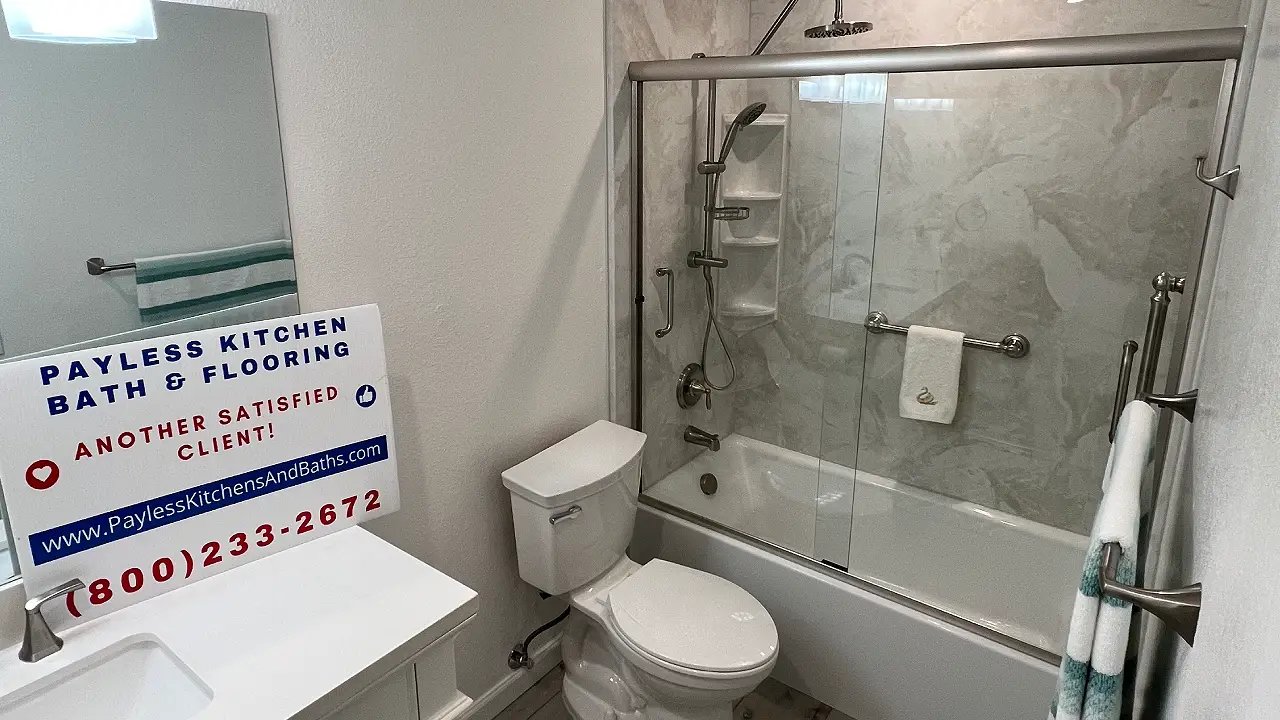
Tub-to-Shower Conversions
This is the most popular choice for busy families and couples. Tub-to-shower conversions:
- Make morning routines faster
- Reduce cleaning and maintenance
- Create a more open feel in smaller bathrooms
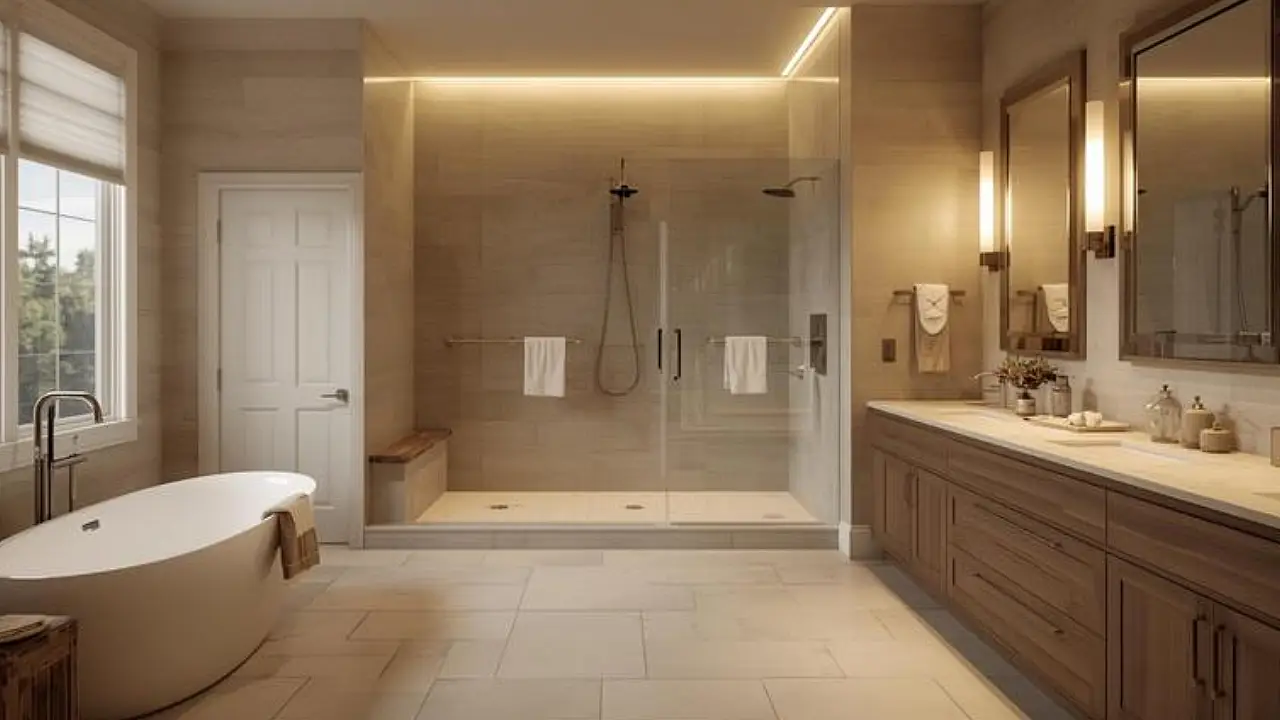
Walk-in showers with glass enclosures are especially popular in Los Angeles because they fit modern design trends and appeal to future buyers.
Shower-to-Tub Conversions
While less common, these conversions still make sense for families with young children. In some Los Angeles neighborhoods, buyers expect at least one bathtub. Removing all tubs from a home can limit resale appeal.
Low-Threshold and Walk-In Showers
These designs are ideal for homeowners planning to age in place or households with multiple generations. They reduce the risk of falls and make the bathroom easier to use for everyone. Common features include:
- Slip-resistant flooring
- Built-in benches
- Handheld showerheads
- Secure grab bars installed into framing
Accessible and Universal Bathroom Designs
Universal design focuses on comfort, safety, and flexibility. These layouts do not look institutional but provide long-term usability as mobility needs change.
Lessons Learned From a Real Bath Conversion
In one Los Angeles home, the initial plan was a quick tub-to-shower conversion using a prefabricated liner system. The appeal was speed and cost. The idea was to install the new shower directly over the existing tub space and plumbing.
During the planning phase, however, several issues were uncovered. The drain placement was not ideal, the subfloor showed early signs of moisture damage, and the plumbing was outdated. Covering these problems would have saved time but created bigger issues later.
Instead, the homeowners chose a more thorough approach. The old materials were removed, the subfloor was repaired, and proper waterproofing was installed before the new shower was built. The result was a safer, longer-lasting conversion that added real value to the home.
The biggest takeaway was clear. A bath conversion is not just about appearance. What is behind the walls matters just as much as what you see.
Common Bath Conversion Mistakes in Los Angeles
Many homeowners make similar mistakes when choosing a bath conversion. These include:
- Selecting glossy tile that looks great but becomes slippery when wet
- Choosing low-cost acrylic liners that crack, stain, or leak over time
- Ignoring proper drainage and slope, leading to standing water
- Skipping waterproofing behind walls and under floors
- Overlooking accessibility needs for aging family members
- Hiring contractors who do not pull permits or follow local codes
Because many Los Angeles homes are older, these mistakes can quickly lead to structural damage and moisture problems.
What Happens When Problems Are Ignored
When bath conversion issues go unaddressed, the consequences can be serious. Homeowners often experience:
- Hidden water damage behind walls and under flooring
- Mold growth that impacts indoor air quality
- Loose tiles, benches, or grab bars that become safety hazards
- Failed inspections when selling the home
In some cases, homeowners are forced to tear out a relatively new bathroom to fix problems that could have been avoided with better planning.
Questions Smart Los Angeles Homeowners Ask Before Converting
Homeowners who end up happiest with their bath conversions usually ask detailed questions before work begins.