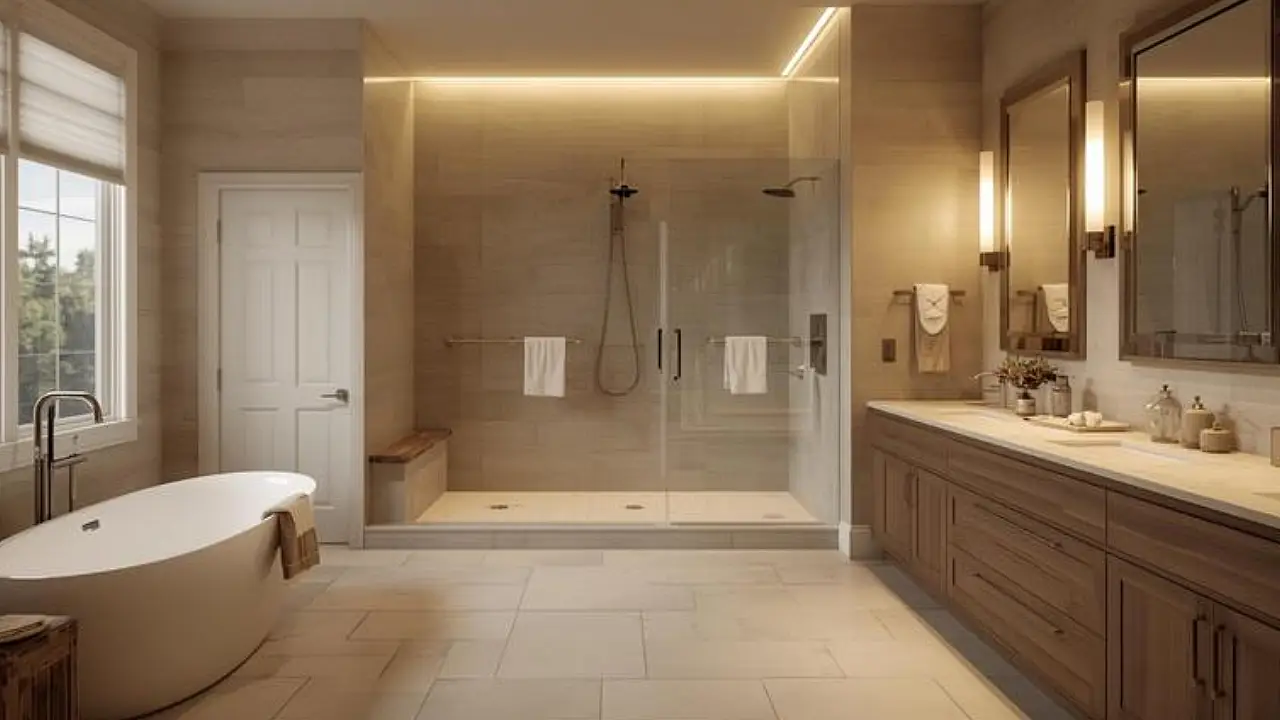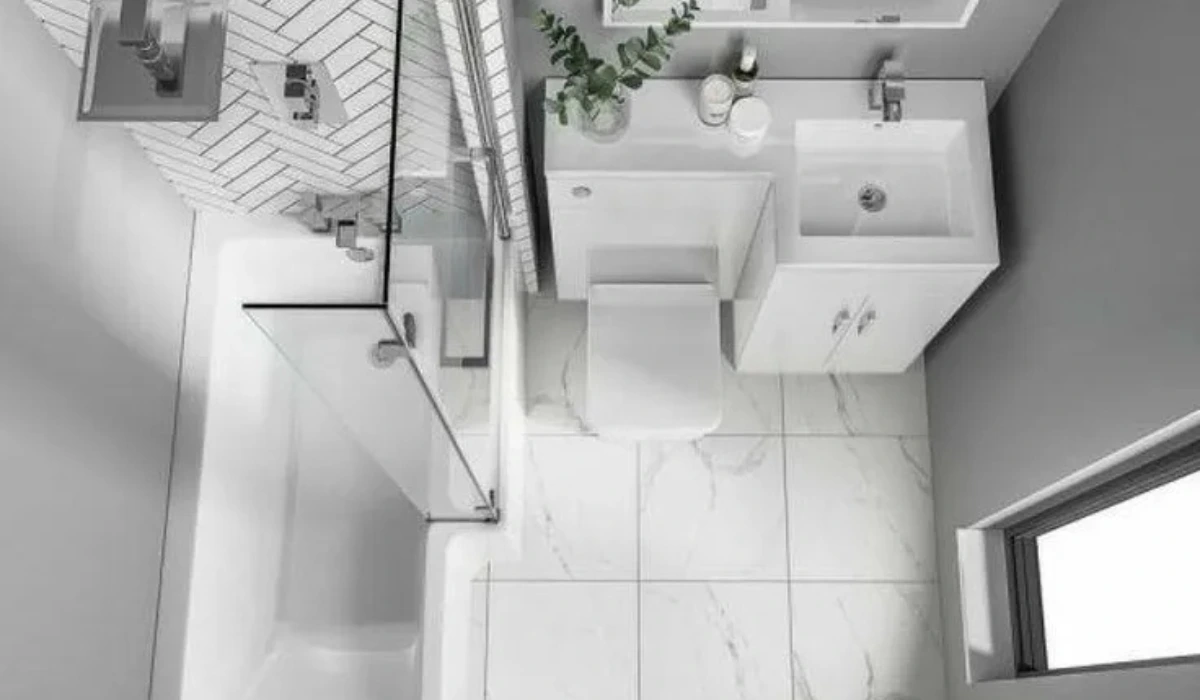
Choosing the right bathroom mirror can completely transform the look and feel of your space. Beyond their practical use, mirrors add light, depth, and personality to your bathroom. From modern frameless designs to traditional framed styles, there is a perfect mirror for every type of bathroom. Understanding the different types of bathroom mirrors will help you select one that matches both your needs and design goals.
1. Framed Bathroom Mirrors
Framed bathroom mirrors are a timeless choice that adds a touch of elegance and structure to your space. These mirrors come with decorative borders made from materials such as wood, metal, or plastic, allowing homeowners to match them with vanities or fixtures. They are ideal for traditional and transitional bathroom designs, giving a finished and classic appearance. Framed mirrors also offer a warm and inviting look that enhances the overall décor.
2. Frameless Bathroom Mirrors
Frameless bathroom mirrors create a clean and modern aesthetic. With polished or beveled edges, they blend seamlessly with contemporary bathroom styles. These mirrors work especially well in smaller bathrooms, as they make the space look larger and brighter. Because there is no frame to maintain, they are also easy to clean and offer a minimalist, clutter-free appearance.
3. LED Bathroom Mirrors
LED bathroom mirrors have become a favorite in modern homes due to their built-in lighting features. The soft and even light from LEDs enhances visibility, making daily routines such as shaving or applying makeup easier. Many LED mirrors also include features like touch controls, dimmable brightness, or even anti-fog technology. They combine style and practicality, giving bathrooms a sleek, futuristic look.
4. Round Bathroom Mirrors
Round bathroom mirrors bring a softer and more balanced feel to any space. Their circular shape contrasts beautifully with the straight lines found in most bathrooms, making them a stylish statement piece. They are perfect for single vanities or powder rooms, where their shape adds visual interest without overwhelming the space. Round mirrors can be paired with quartz or porcelain wall panels to enhance the overall design with a mix of textures and shapes.
5. Full Wall Mirrors
Full wall mirrors offer maximum impact and functionality. Covering an entire wall, they create the illusion of a larger bathroom by reflecting light and opening up the space. These mirrors are often found in luxury or master bathrooms, adding a touch of sophistication. They work beautifully with master bathroom upgrades and standalone tubs, helping to elevate both style and functionality.
6. Vanity Mirrors
Vanity mirrors are designed with convenience and functionality in mind. They often come with adjustable or extendable arms, allowing users to bring the mirror closer for detailed tasks. Some vanity mirrors include magnifying features or integrated lighting to improve visibility. They are especially useful in bathrooms where precision is needed for makeup, shaving, or skincare routines.
How to Choose the Right Bathroom Mirror
Consider Your Bathroom Size
The size of your bathroom plays a major role in choosing the right mirror. Large mirrors work best in spacious bathrooms or above double vanities, while smaller or frameless mirrors help open up compact areas. Choosing a mirror that fits proportionally above the sink ensures balance and harmony in the design.
Match Your Design Style
Your mirror should complement the overall look of your bathroom. Framed mirrors pair beautifully with traditional or farmhouse styles, while frameless and LED mirrors enhance modern and minimalist spaces. Matching the mirror finish with fixtures like faucets or shower surrounds can create a cohesive and polished appearance.
Think About Functionality
Functionality is just as important as design. If you need extra lighting, an LED mirror is a smart option. For detailed grooming, a magnifying or vanity mirror might be the best fit. Consider whether you want a simple reflective surface or one that includes features like defogging or adjustable brightness.
Set a Budget
Bathroom mirrors come in a wide range of prices depending on their materials and features. Basic frameless mirrors are usually more affordable, while LED or smart mirrors are considered premium options. Setting a clear budget helps you find a mirror that fits your style without overspending.
FAQs
1. What type of bathroom mirror is best for small bathrooms?
Frameless or LED mirrors are ideal for small bathrooms because they create an open and bright appearance without taking up visual space.
2. Are LED bathroom mirrors energy-efficient?
Yes, LED mirrors use less electricity compared to traditional lighting and have a long lifespan, making them both efficient and cost-effective.
3. How do I clean my bathroom mirror properly?
Use a soft cloth with a gentle glass cleaner. Avoid using harsh chemicals that could damage the mirror’s surface or edges.
4. Can I mix different mirror styles in one bathroom?
Yes, combining mirrors such as a large wall mirror with a smaller vanity mirror can add depth and character, especially in larger bathrooms.
5. Do mirrors with frames last longer than frameless ones?
Both can last for years if maintained properly. The key difference lies in design preference and how well they are protected from moisture.
Conclusion
Bathroom mirrors are more than just reflective surfaces; they are essential design elements that influence the look, light, and functionality of your space. Understanding the different types of bathroom mirrors helps you select one that complements your bathroom’s style, size, and functionality. Whether you choose framed, frameless, LED, round, full wall, or vanity mirrors, each type offers unique benefits and can enhance your daily routines. Pairing these mirrors with appropriate vanities, shower surrounds, or bathtubs creates a cohesive design. Knowing the types of bathroom mirrors ensures your space is both beautiful and practical.

- Contemporary Master Bathroom Ideas Design Tips and Layouts - March 26, 2026
- Curbless Shower Installation Steps, Requirements and Tips - March 24, 2026
- Barrier-Free Shower Design Benefits and Installation Tips - March 23, 2026