Choosing the right walk-in shower dimensions is one of the most important steps in bathroom planning. Size affects comfort, safety, and how open the space feels. A well-proportioned shower improves daily use and prevents costly changes later. Understanding standard measurements helps homeowners design a functional layout that fits both the room and their routine.
Understanding Standard Walk-In Shower Dimensions
Walk-in showers are designed to provide easy entry and comfortable movement. While styles vary, most bathrooms follow proven measurement ranges to balance usability and available space.
Minimum Walk-In Shower Dimensions
The minimum size typically starts around 30 by 30 inches. This allows a person to stand and shower safely, but it can feel tight for daily use. Many building guidelines recommend at least 32 by 32 inches to improve movement and reduce water splash outside the shower area.
Small showers work best when paired with smart layouts and minimal fixtures. A fixed showerhead and wall niche storage can prevent crowding and maintain function in compact areas.
Average Walk-In Shower Measurements
Most homeowners prefer a more comfortable size. Common measurements include:
- 36 x 36 inches for compact but usable showers
- 36 x 48 inches for better elbow room
- 42 x 60 inches for spacious walk-in showers
These average walk-in shower measurements allow turning, bending, and washing comfortably without hitting walls or fixtures.
Walk-In Shower Dimensions for Small Bathrooms
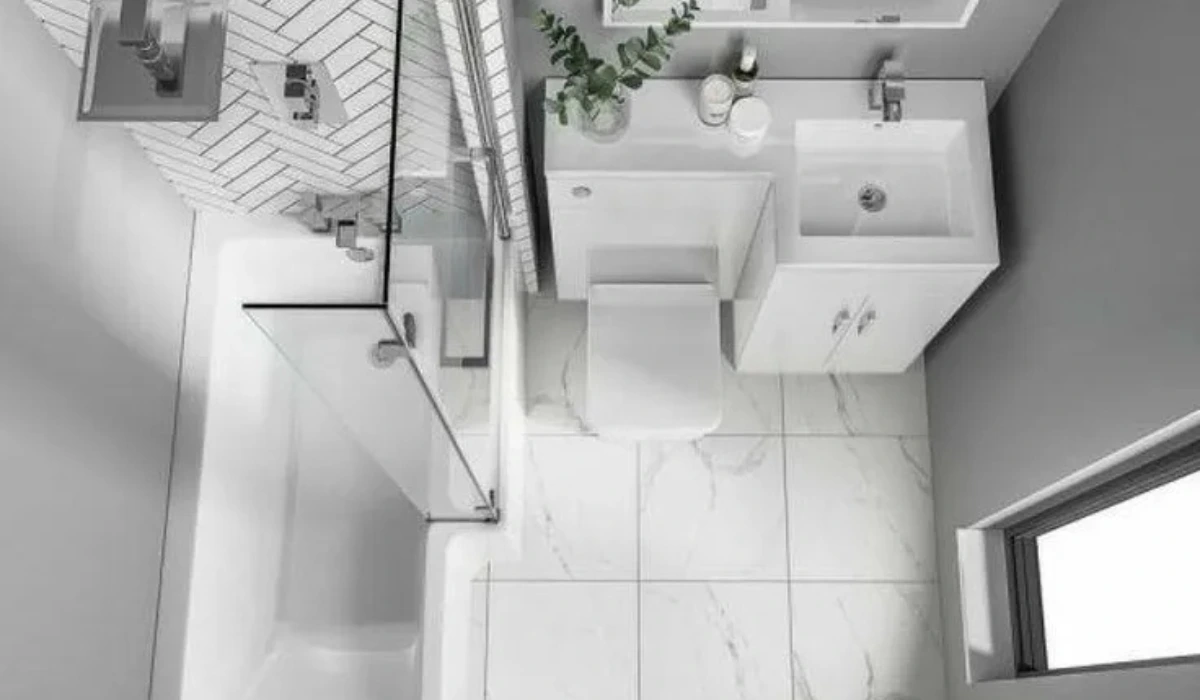
Limited square footage does not prevent installing a walk-in shower. Careful planning can make even a small bathroom feel open. A narrow rectangular design often works better than a square shape because it follows the natural walking path inside the room.
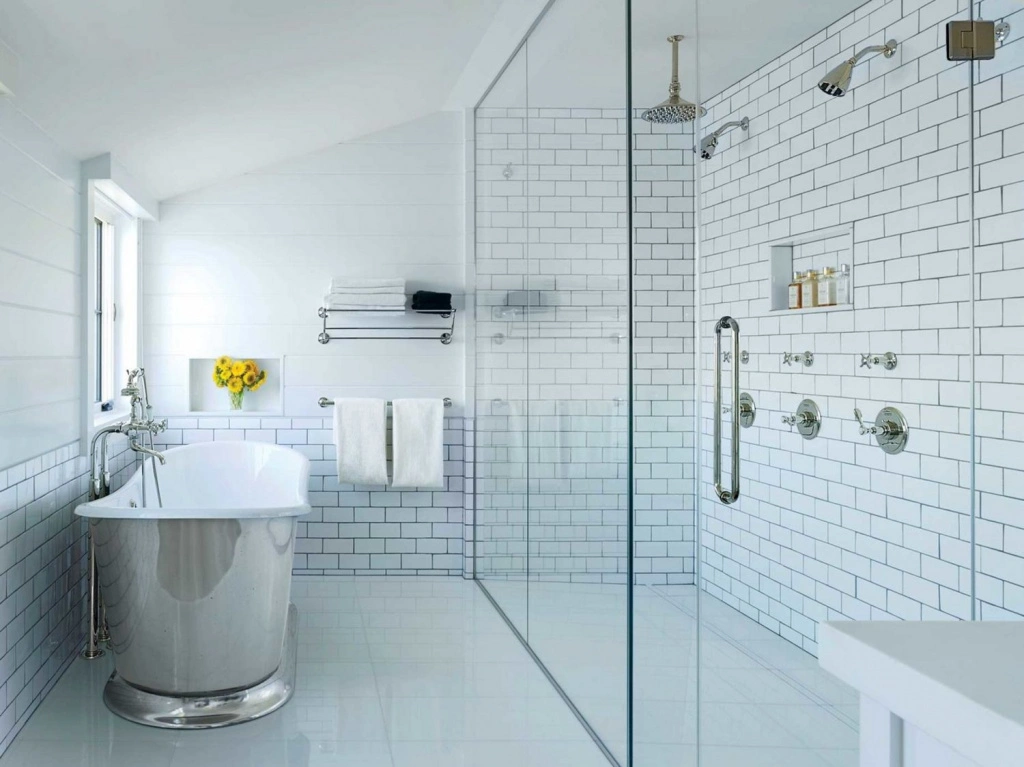
Using clear glass panels instead of framed doors helps maintain sight lines. Wall-mounted fixtures, recessed shelving, and lighter finishes also create the impression of a larger area while keeping the shower functional.
Walk-In Shower Width and Length
The width and length of a shower should match how the bathroom is used. A single-user shower can be comfortable at around 36 inches wide, while shared bathrooms benefit from wider layouts.
Longer showers allow flexible fixture placement. For example, positioning the showerhead away from the opening keeps water contained without needing a full enclosure. Rectangular designs also leave room for benches or built-in storage.
Planning the Layout and Space Requirements
Good layout planning ensures the shower works with the rest of the bathroom instead of disrupting movement.
Walk-In Shower Layout Planning
When deciding placement, consider traffic flow and nearby fixtures. The shower should not block access to the vanity or toilet. A corner layout often saves space, while an end-wall layout creates a cleaner visual line.
Important layout goals include:
- Easy entry without sharp turns=
- Direct drainage slope toward the drain
- Comfortable reach to controls
These elements support safe and efficient daily use.
Clearance and Entry Space Considerations
Adequate clearance outside the shower prevents crowding. Most bathrooms require about 24 inches of open floor space in front of the entrance. This allows drying off and stepping out safely.
Doorless walk-in showers may need slightly deeper dimensions to keep water inside. Proper spacing keeps floors dry and reduces slipping risks.
Design Considerations That Affect Shower Size
Several design choices influence how large the shower should be. Fixture type, number of users, and storage needs all matter. A rainfall showerhead often requires extra distance from the entrance to avoid splash. Multiple showerheads need wider walls for installation.
Tile pattern also plays a role. Large tiles can visually expand the shower, while small mosaic tiles suit tighter layouts because they follow slopes better. Lighting placement and ceiling height can make the same dimensions feel larger or smaller.
Accessibility and Comfort Recommendations
Comfortable showering depends on more than floor area. Height, reach, and entry design all affect usability. Curbless entry designs remove barriers and make movement easier for people of all ages.
Helpful comfort features include:
- Handheld showerheads for flexible reach
- Grab bars near the entry and controls
- Slightly wider openings for safer entry
These additions improve usability without requiring a dramatically larger shower footprint.
Glass Panels, Doors, and Entry Opening Sizes
Glass selection affects both safety and space perception. Fixed panels create a modern, open look, while hinged doors help contain water in smaller bathrooms. Sliding doors are useful where swing clearance is limited.
Entry openings are usually between 22 and 30 inches wide. Wider openings feel more comfortable and improve accessibility. Frameless glass enhances light flow, making the shower appear larger even when dimensions stay the same.
Common Mistakes to Avoid When Choosing Shower Dimensions
Homeowners often focus only on fitting the shower into available space. However, ignoring usability leads to frustration later.
Avoid these common problems:
- Choosing minimum size when room allows a larger layout
- Placing controls directly under the showerhead=
- Forgetting clearance outside the entry
- Installing large fixtures in a compact shower
Proper planning ensures the shower remains practical long after installation.
FAQs
1. What is the minimum size for a walk-in shower?
A. Most minimum walk-in shower dimensions start around 30 by 30 inches, though 32 by 32 inches is more comfortable and widely recommended.
2. How much space is needed in front of a walk-in shower?
A. About 24 inches of open space is typically needed in front of the shower for safe entry and drying off.
3. Can a walk-in shower fit in a small bathroom?
A. Yes. Narrow rectangular layouts, glass panels, and wall-mounted fixtures make walk-in showers suitable even for compact bathrooms.
4. Are larger walk-in showers better for resale value?
A. Spacious showers often appeal to buyers because they improve comfort and accessibility, which can positively influence home value.
5. What shower size works best for accessibility?
A. A size of at least 36 by 48 inches works well, especially when paired with a curbless entry and support features like grab bars.
Conclusion
Selecting proper walk-in shower dimensions helps balance comfort, safety, and style. Careful planning ensures the shower fits naturally within the bathroom while meeting daily needs. By considering layout, clearance, and accessibility, homeowners can create a space that feels open and practical. For complex layouts or structural changes, consulting experienced bathroom professionals can help achieve the best long-term results.

- Contemporary Master Bathroom Ideas Design Tips and Layouts - March 26, 2026
- Curbless Shower Installation Steps, Requirements and Tips - March 24, 2026
- Barrier-Free Shower Design Benefits and Installation Tips - March 23, 2026