Choosing between a walk-in shower and a bathtub is one of the most common decisions homeowners face during a bathroom remodel. Both options offer distinct benefits, but the right choice depends on cost, available space, daily habits, and long-term goals. Understanding the walk-in shower vs tub comparison helps homeowners make informed decisions that support comfort, function, and home value.
Understanding the Key Differences Between Walk-In Showers and Tubs
The main difference between a walk-in shower and a tub comes down to how the space is used. Walk-in showers focus on accessibility and ease of movement, while tubs offer versatility for bathing and soaking. Showers often feel more modern and open, while tubs appeal to families and buyers who value flexibility.
Daily routines play a major role. Homeowners who prefer quick showers often lean toward walk-in designs, while those with children or pets may find a tub more practical. Visual style, safety needs, and long-term plans also influence the decision.
Cost Comparison: Walk-In Shower vs Tub
Cost is a major factor when comparing a walk-in shower vs tub. Pricing varies based on materials, layout changes, and installation complexity.
Walk-In Shower vs Tub Installation Cost
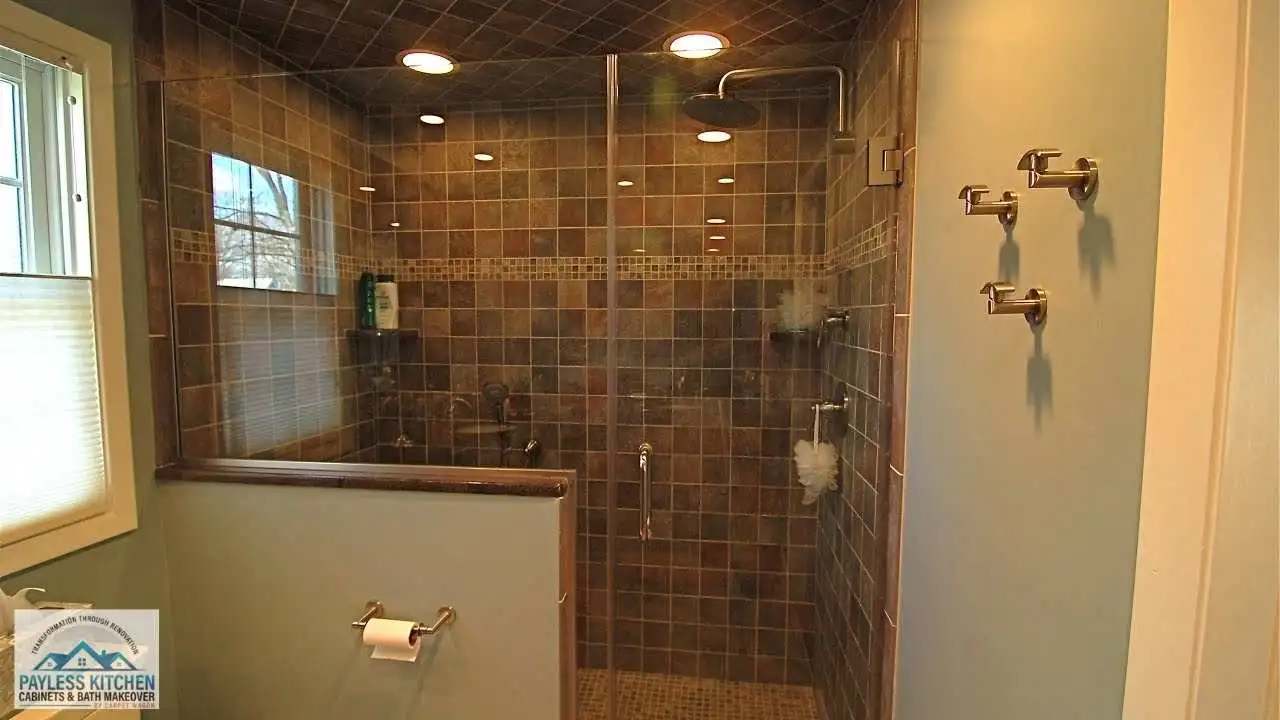
Installation costs differ depending on the scope. Walk-in showers often require more detailed waterproofing, tile work, and custom glass, similar to projects outlined in shower remodeling services. Tubs can be simpler when replacing an existing unit in the same location, such as a standard bathtub replacement.
Cost factors that affect both options include:
-
Plumbing modifications
-
Tile and wall finishes
-
Glass enclosures or tub surrounds
-
Labor and prep work
In many remodels, a standard tub replacement costs less upfront, while a custom walk-in shower may require a higher initial investment.
Walk-In Shower vs Bathtub Cost Over Time
Long-term costs matter just as much as installation. Walk-in showers can reduce water use, which may lower utility bills. Tubs often require more water per use, especially for full baths.
Maintenance and repairs also affect lifetime cost. Shower doors, grout, and fixtures may need periodic care, while tubs can develop surface wear over time. When comparing walk in shower vs bathtub cost, homeowners should consider both short-term and long-term expenses.
Space and Layout Considerations
Bathroom size often determines whether a walk-in shower or tub is the better fit. Each option impacts movement, storage, and visual openness in different ways.
Walk-In Shower vs Tub for Small Bathroom
In a small bathroom, walk-in showers usually offer better space efficiency. Removing the tub wall can open the room and improve flow, especially in layouts like those found in small bathroom remodels. Frameless glass and curbless designs make the space feel larger.
A tub can still work in smaller layouts, especially when paired with a shower combination. The best choice depends on how the space is used and whether openness or versatility is the priority.
Maintenance and Cleaning Requirements
Cleaning effort is another key difference in the walk-in shower vs tub debate. Maintenance needs vary by materials and design.
Walk-In Shower vs Tub Maintenance
Walk-in showers may require more frequent cleaning due to glass panels and grout lines. However, they are easier to access and clean without bending. Tubs can be simpler to maintain when using a single-piece surround, but scrubbing the tub basin may require more effort.
Common maintenance considerations include:
- Grout and tile sealing
- Glass door water spots
- Drain and plumbing access
- Surface wear over time
Choosing low-maintenance materials can reduce upkeep for both options.
Resale Value and Long-Term Appeal
Resale value is an important consideration for many homeowners, especially those planning future moves. Buyer preferences vary by market and home type.
Walk-In Shower vs Tub Resale Value
A walk-in shower can boost appeal in primary bathrooms, especially for buyers who prefer modern designs. However, many buyers still expect at least one bathtub in the home. Homes without any tubs may appeal to some buyers but limit interest among families.
When evaluating walk in shower vs tub resale value, balance is key. Keeping one tub while upgrading another bathroom with a walk-in shower often supports broader buyer appeal.
Lifestyle and Accessibility Factors
Lifestyle needs often outweigh design trends. Daily routines, household members, and long-term plans all affect the decision.
Walk-In Shower vs Tub for Aging in Place
For aging in place, walk-in showers offer clear advantages. Low or no thresholds reduce fall risk and make entry easier, especially in aging-in-place bathroom remodels. Built-in seating and grab bars add safety and comfort.
Tubs can become difficult to enter over time. While walk-in tubs are an option, many homeowners prefer replacing tub with walk-in shower designs that better support mobility.
Bathtub vs Shower Pros and Cons
Comparing bathtub vs shower pros and cons helps clarify which option fits your needs best.
Walk-in shower advantages:
- Easier access and improved safety
- Modern appearance
- Better use of space in many layouts
Walk-in shower drawbacks:
- Higher installation cost in some cases
- May reduce appeal if no tub remains in the home\
Bathtub advantages:
- Useful for families and children
- Familiar and versatile
- Often lower upfront cost
Bathtub drawbacks
- Harder to access
- Takes up more floor space
Understanding these trade-offs helps homeowners choose with confidence.
Planning to Replace a Tub with a Walk-In Shower
Replacing a tub with a walk-in shower is a popular remodeling choice, but it requires careful planning. Structural changes, plumbing updates, and waterproofing must be handled correctly.
Replacing Tub with Walk-In Shower Considerations
Before making the change, homeowners should consider:
- Drain location and slope requirements
- Wall condition and waterproofing needs
- Shower size and entry clearance
- Long-term resale goals
Professional planning helps avoid costly mistakes and ensures the new shower performs well for years.
Common Mistakes to Avoid When Choosing Between a Walk-In Shower and Tub
One common mistake is choosing based only on trends. What looks appealing today may not suit long-term needs. Another issue is ignoring household makeup, such as children or aging adults.
Other mistakes include underestimating installation complexity or overlooking resale impact. Making decisions without considering space, budget, and future use can lead to regret.
FAQs
Is a walk-in shower more expensive than a tub?
In many cases, walk-in showers cost more to install due to tile work and waterproofing, but costs vary by design.
Which option is better for resale value?
Homes often benefit from having at least one bathtub, while walk-in showers add appeal in primary bathrooms.
Can I replace a tub with a walk-in shower in any bathroom?
Most bathrooms allow this change, but plumbing layout and space must be evaluated first.
Is a walk-in shower better for small bathrooms?
Yes. Walk-in showers often improve flow and make small bathrooms feel larger.
Do homes still need at least one bathtub?
Many buyers prefer at least one tub, especially in family homes.
Conclusion
The choice between a walk-in shower vs tub depends on cost, space, maintenance, and lifestyle needs. Walk-in showers offer accessibility and modern appeal, while tubs provide versatility and familiarity. Careful planning helps homeowners balance comfort with resale value. For those navigating complex decisions or structural changes, professional guidance can help ensure the remodel meets both present needs and future goals.

- Shower Remodel Cost Materials, Labor and Budget Guide - March 13, 2026
- Ceramic vs Porcelain Tile Differences, Cost and Durability - March 11, 2026
- Waterproof Bathroom Panels Benefits, Features, and Installation - March 9, 2026