Grout and caulk look similar once they are installed, but they do very different jobs in a shower. Using the wrong one in the wrong spot is the single most common reason showers develop cracks, leaks, and mold within a few years of installation. Understanding the difference between grout vs caulk in shower tile is the first step to a bathroom that actually holds up.
This guide breaks down what each product does, where it belongs, and how to tell when either one needs replacement. By the end, you will know exactly when to use caulk vs grout in every part of your shower.
What Grout Is and Where It Belongs in a Shower
Grout is the filler that locks tile into place and seals the tiny gaps between tiles. It gives the tile pattern its finished look and keeps individual tiles from shifting over time.
What Grout Is Made Of
Standard shower grout is a cement-based mix of Portland cement, fine sand, water, and color pigments. Modern grouts often include polymer additives that improve flexibility and water resistance. The exact formula depends on the type, but all grout dries into a hard, rigid surface.
Where Grout Goes in a Shower
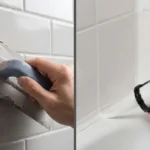
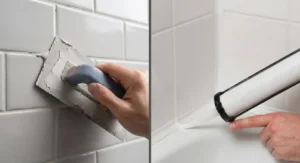
Grout belongs between every tile joint on flat surfaces, including shower walls and shower floors. It fills the uniform seams that separate one tile from the next and gives the installation its stable, finished appearance, which plays a big role in the finish of any shower remodel project.
Common Types of Shower Grout
Sanded grout is used for joints wider than one-eighth inch and is standard for most shower installations. Unsanded grout is used for very fine joints and polished stone where sand could scratch. Epoxy grout is the most durable and waterproof option but costs more and is harder to apply.
What Caulk Is and Where It Belongs in a Shower
Caulk is a flexible sealant designed to fill joints that move. Its flexibility is what allows it to handle the small shifts that happen in every shower as materials expand, contract, and settle.
What Caulk Is Made Of
Shower caulk is typically made from 100 percent silicone, siliconized acrylic, or a hybrid polymer formula. These materials cure into a rubbery, waterproof seal that stays flexible for years. Pure silicone is the gold standard for wet areas because it never dries out and resists mold the longest.
Where Caulk Goes in a Shower
Caulk belongs at every joint where two different surfaces meet, including corners where walls meet each other, the line where wall tile meets the shower pan or tub, and around faucet handles, spouts, and showerheads. It also seals the edges of niches and built-in shelves, which is why learning how to change a showerhead often involves refreshing the caulk around the fixture.
Common Types of Shower Caulk
100 percent silicone caulk is the top choice for showers because of its waterproof and mold-resistant properties. Siliconized acrylic is easier to apply and clean up but less durable in constant wet conditions. Specialty mildew-resistant formulas add fungicides that extend caulk life in humid environments.
Key Differences Between Grout and Caulk
Grout and caulk might look similar once installed, but they behave in opposite ways once a shower is in use. The single biggest difference is flexibility, and that one trait decides where each product can go.
| Feature | Grout | Caulk |
| Composition | Cement-based mix | Silicone or acrylic polymer |
| Flexibility | Rigid, no flex | Flexible, moves with materials |
| Where it goes | Between flat tile joints | Corners and transition joints |
| Waterproof | Needs sealing | Naturally waterproof |
| Lifespan | 15–20 years when sealed | 5–10 years |
| Application | Spread with a float | Applied with a caulk gun |
Flexibility is the deciding factor. Rigid grout works beautifully between tiles that sit on the same flat plane, but it cracks quickly in corners where walls and surfaces shift against each other. That is exactly where flexible caulk takes over.
When to Use Grout vs Caulk in Your Shower
The rule for grout vs caulk in shower sealing is simple once you know it. Grout goes anywhere two tiles sit on the same flat plane. Caulk goes anywhere two different planes or materials meet. Following this one rule prevents almost every common shower sealing problem.
Use grout when:
- Filling joints between tiles on flat wall surfaces
- Filling joints between floor tiles in the shower pan
- Working on decorative pencil liner or accent tile transitions on a single plane
Use caulk when:
- Sealing corners where two walls meet
- Sealing the joint between wall tile and the shower pan or floor
- Sealing the joint where wall tile meets a bathtub
- Sealing around faucet handles, spouts, and showerheads
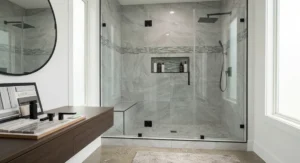
- Sealing around niche cutouts, built-in shelves, and shower benches
Picking the right sealant for each joint is one of the simplest ways to protect bathroom flooring and wall surfaces from long-term water damage.
Common Mistakes People Make with Shower Grout and Caulk
Most shower sealing failures come down to a handful of avoidable mistakes. Each one leads to leaks, mold, or cracked joints within a year or two.
- Using grout in corners instead of caulk, leading to cracks within months
- Using caulk between flat tile joints, which looks sloppy and fails faster
- Skipping grout sealer and letting water penetrate the cement
- Applying new caulk over old caulk without full removal
- Choosing the wrong caulk type, like acrylic in a constantly wet zone instead of silicone
- Rushing cure times and using the shower before the grout or caulk has fully set
These small missteps often turn into bigger issues once you plan a full walk-in shower or similar upgrade, since any water leak behind the tile multiplies the repair bill.
Maintenance and When to Replace Grout or Caulk
Grout and caulk wear out at different rates. Grout tends to crack, discolor, and chip slowly over many years, while caulk peels, darkens, and pulls away from surfaces faster because of its direct exposure to water pooling in joints.
Signs your shower grout needs attention:
- Visible cracks, chips, or missing sections
- Permanent discoloration or deep staining
- Mold growth that cleaning cannot remove
Signs your shower caulk needs replacing:
- Peeling, lifting, or pulling away from the surface
- Dark mold or mildew lines running through the joint
- Visible gaps where water can get behind the seal
Plan on resealing grout every one to two years and replacing shower caulk every five to ten years. Knowing how to solve grout problems early also helps you catch small issues before they turn into expensive tile repairs.
Can You Use Caulk Instead of Grout or Vice Versa
This is one of the most common questions homeowners ask about grout vs caulk in shower sealing, and the answer is no in both directions. Caulk cannot replace grout between flat tile joints because it will look uneven, discolor quickly, and fail under daily cleaning. Grout cannot replace caulk in corners because its rigidity means it cracks the moment surfaces shift. Both products exist because each solves a specific problem the other cannot handle.
Frequently Asked Questions About Shower Grout and Caulk
Should the corners of a shower be grouted or caulked?
Shower corners should always be caulked, never grouted. Corners naturally flex with temperature changes and minor settling, and rigid grout will crack within months. Flexible caulk absorbs that movement and keeps the seal intact.
How long should shower grout and caulk last?
Properly sealed shower grout lasts 15 to 20 years before needing replacement. Shower caulk has a shorter lifespan of 5 to 10 years because of constant water exposure at the joints.
What type of caulk is best for a shower?
100 percent silicone caulk with a mildew-resistant formula is the best choice for showers. Avoid pure acrylic latex caulk in wet zones because it breaks down much faster when constantly exposed to water.
Can you apply new caulk over old caulk in a shower?
No, old caulk must be fully removed before applying new caulk. New caulk will not bond properly to old caulk, which means the seal will fail quickly and water will leak behind the surface.
Getting Your Shower Sealed the Right Way
Understanding the difference between grout vs caulk in shower sealing is what separates a professional-looking result from one that fails in a year. Follow the simple rule that grout goes between flat tile joints and caulk goes in corners and transitions, and your shower will stay sealed and watertight for years.
When replacing either one, take your time with removal, surface prep, and cure times. For bigger issues or a full retile, bringing in an experienced bathroom remodeling team saves you from costly rework down the line.

- Grout vs Caulk in Shower Explained with Key Differences and Best Uses - November 25, 2026
- Eco-Friendly Bathroom Ideas for a Sustainable and Modern Home Design - November 23, 2026
- Walk-In Shower Cost Guide with Pricing, Labor and Material Factor - November 20, 2026