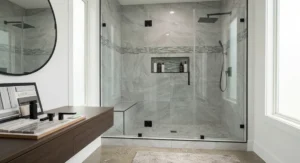
Walk-in showers have become one of the most popular bathroom upgrades, but their pricing works differently from a standard shower. The final number depends on size, wall materials, glass panels, drainage style, and whether the design is curbless or has a low threshold. Knowing these walk-in shower cost factors upfront helps you plan a realistic budget before you start calling contractors.
This guide breaks down the full walk-in shower price range, where your money actually goes, and where you can save. For broader pricing across all shower types, the full shower remodel cost range gives useful context before you zero in on the walk-in style.
Average Walk-In Shower Cost Range for Homeowners
The average walk-in shower cost in the United States typically falls between $3,500 and $15,000, with most mid-range projects landing around $6,000 to $9,000. High-end custom walk-in showers can push well past $20,000 when they include features like full-height glass, premium tile, and luxury fixtures.
| Walk-In Shower Type | Typical Cost Range |
| Basic walk-in shower | $3,500 – $5,500 |
| Mid-range walk-in shower | $6,000 – $9,500 |
| Luxury walk-in shower | $10,000 – $20,000+ |
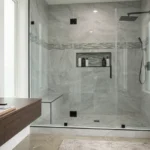
A basic walk-in usually uses a prefab pan with acrylic walls, while mid-range projects add tile walls and a glass panel. Luxury builds involve full custom tile, frameless glass enclosures, and premium fixtures that drive the cost to build a walk-in shower significantly higher.
Walk-In Shower Installation Cost Breakdown by Component
Breaking down the walk-in shower installation cost by component shows you exactly where your budget goes. Each piece of the project carries its own price tag, and small upgrades in any one area can shift the total meaningfully.
Shower Base and Pan Cost
A standard prefabricated shower pan runs between $300 and $800, while a custom-tiled base averages $1,000 to $2,500 with labor. Curbless pans cost more because they require precise floor slope and extensive waterproofing, which is why a curbless shower installation typically sits at the higher end of the base cost range.
Glass Enclosure and Door Cost
Glass is one of the biggest cost variables in walk-in shower pricing. A single fixed glass panel starts around $600 to $1,200, while a full frameless enclosure with a hinged door typically runs $1,500 to $3,500. No-door walk-in designs skip the door cost entirely but still need a longer glass wall.
Wall Material Cost for Walk-In Showers
Wall material choices range from budget-friendly acrylic panels at $400 to $1,500 installed, to ceramic or porcelain tile between $1,500 and $4,500, up to natural stone or large-format slabs that can exceed $6,000. Walk-ins often use more wall area than standard showers, so this line item scales quickly with square footage.
Fixtures and Drainage Cost
Standard fixtures (showerhead, valve, basic drain) add $300 to $800. Upgrades like linear drains, rainfall showerheads, handheld sprayers, and body jets can add $800 to $3,000 or more. Linear drains in particular are common in walk-in designs and add roughly $400 to $900 over a standard center drain.
How Walk-In Shower Size Affects Overall Cost
Size directly drives material and labor costs, and walk-ins give you more flexibility than a standard shower to choose how much space you want. Matching your build to standard walk-in shower dimensions keeps material waste low and helps contractors quote accurately.
- Small walk-in shower (32″x32″) — $3,500 to $5,000 for a compact, space-saving build
- Standard walk-in shower (36″x48″) — $5,500 to $9,000 for the most common size
- Large walk-in shower (60″x36″ or larger) — $8,000 to $14,000 with more tile and glass
- Luxury wet-room walk-in — $12,000 to $20,000+ with open tiled floor and premium finishes
Labor Cost for Walk-In Shower Installation
Labor for a walk-in shower installation typically runs 40 to 60 percent of the total project cost, averaging $2,500 to $6,000. The work demands more skill than a standard shower because of waterproofing requirements, precise floor sloping toward the drain, and careful glass panel handling.
Expect higher labor rates if your project involves a curbless design, custom tile work, or moving the drain location. Most walk-in shower installations take three to seven days from demolition to final sealing.
Hidden Costs Homeowners Often Miss in a Walk-In Shower Project
Many homeowners budget only for visible materials and skip over the structural work that walk-in showers demand. These extras can add $1,000 to $4,000 to your project if you are not prepared for them.
- Waterproofing membrane and sealing
- Floor slope adjustments for proper drainage
- Plumbing relocation if the drain needs to move
- Subfloor repairs discovered during demolition
- Building permits for structural or plumbing changes
- Niche cutouts, built-in benches, and shelving
Ways to Save Money on Your Walk-In Shower Project
A smart walk-in shower remodel budget comes down to where you spend and where you simplify. The biggest savings come from reducing custom work and keeping the plumbing exactly where it is.
- Choose a prefabricated shower pan instead of a custom tile base
- Opt for a glass half-panel rather than a full enclosure
- Keep the existing shower footprint and drain location
- Use mid-grade tile for walls and save premium material for accent strips
- Handle demolition yourself before the contractor arrives
- Pick acrylic or solid surface walls instead of natural stone
Walk-In Shower Cost vs Other Shower Options
Comparing walk-in showers to other bathroom options helps you see where the pricing sits in context. Walk-ins generally cost more than standard alcove showers but offer stronger resale appeal and accessibility benefits.
| Shower Type | Typical Cost Range |
| Walk-in shower | $3,500 – $20,000+ |
| Standard alcove shower | $2,500 – $6,500 |
| Walk-in tub | $5,000 – $15,000 |
| Tub-to-shower conversion | $4,000 – $12,000 |
A head-to-head walk-in shower vs tub comparison is worth reviewing if you are still deciding between the two, and reviewing the cost of walk-in tub installation separately helps round out the picture for accessibility-focused projects.
When a Professional Walk-In Shower Installation Is Worth the Cost
Walk-in showers are harder to DIY than standard showers because of the waterproofing and slope requirements. A single error in the shower pan slope or membrane application can cause leaks that cost thousands to repair later.
Hiring a licensed professional makes sense for curbless designs, glass enclosures over eight feet, and any project that reroutes plumbing. Pricing across different shower styles sits within the broader shower remodel cost market, which helps you set realistic expectations when comparing bids.
Frequently Asked Questions About Walk-In Shower Cost
How much does a basic walk-in shower cost to install?
A basic walk-in shower installation typically costs between $3,500 and $5,500 when using a prefab pan, acrylic walls, and a simple glass panel. Prices increase quickly with tile upgrades or a curbless design.
Is a walk-in shower more expensive than a standard shower?
Yes, walk-in showers cost 20 to 50 percent more than standard alcove showers on average. The extra cost covers larger glass panels, more waterproofing, and often custom tile work.
Does a walk-in shower add value to your home?
Walk-in showers consistently rank among the top bathroom upgrades for resale value, often returning 60 to 70 percent of the project cost. Buyers increasingly expect them in modern bathrooms, especially in master suites.
Can you build a walk-in shower on a budget?
Yes, a budget walk-in shower is possible by using a prefabricated pan, acrylic wall panels, a single glass panel instead of full enclosure, and keeping the original plumbing in place. These choices can bring the project under $4,000.
Final Thoughts on Planning Your Walk-In Shower Budget
Understanding walk-in shower pricing in detail gives you the confidence to make the right trade-offs between features, materials, and long-term value. Whether you choose a budget-friendly build or a luxury wet-room design, the key is matching the walk-in shower cost to how the shower will be used every day.
Take your time comparing quotes, and always ask contractors to itemize their estimates so you can see exactly what you are paying for. A well-planned walk-in shower adds comfort, accessibility, and resale value that pays off for years.

- Grout vs Caulk in Shower Explained with Key Differences and Best Uses - November 25, 2026
- Eco-Friendly Bathroom Ideas for a Sustainable and Modern Home Design - November 23, 2026
- Walk-In Shower Cost Guide with Pricing, Labor and Material Factor - November 20, 2026