Planning a bathroom renovation is exciting, but one of the first questions most homeowners have is how long the process will take. The timeline can vary depending on the size of the bathroom, the extent of the upgrades, the materials selected, and the complexity of the work involved.
Having a clear understanding of the renovation process helps set realistic expectations and allows you to prepare for each phase of the project. Whether you’re refreshing a guest bathroom or transforming a primary suite, knowing what affects the schedule can help ensure a smoother remodeling experience.
Understanding the Average Bathroom Remodel Timeline
Average Bathroom Remodel Duration for Different Project Types
The average bathroom remodel duration can range from a couple of weeks to several months, depending on the project’s complexity.
| Remodel Type | Estimated Timeline |
| Cosmetic updates | 1–2 weeks |
| Small bathroom remodel | 2–4 weeks |
| Standard bathroom remodel | 4–8 weeks |
| Master bathroom remodel | 6–12 weeks or longer |
Simple upgrades such as replacing fixtures, painting walls, or installing a new vanity generally take less time than projects involving plumbing changes, custom tile work, or structural modifications.
Small Bathroom Remodel Timeline
A small bathroom remodel timeline is usually shorter because there is less space to renovate. Projects that keep the existing layout intact can often be completed within two to four weeks.
Typical tasks include:
- Replacing flooring and wall finishes
- Installing a new vanity
- Updating fixtures and lighting
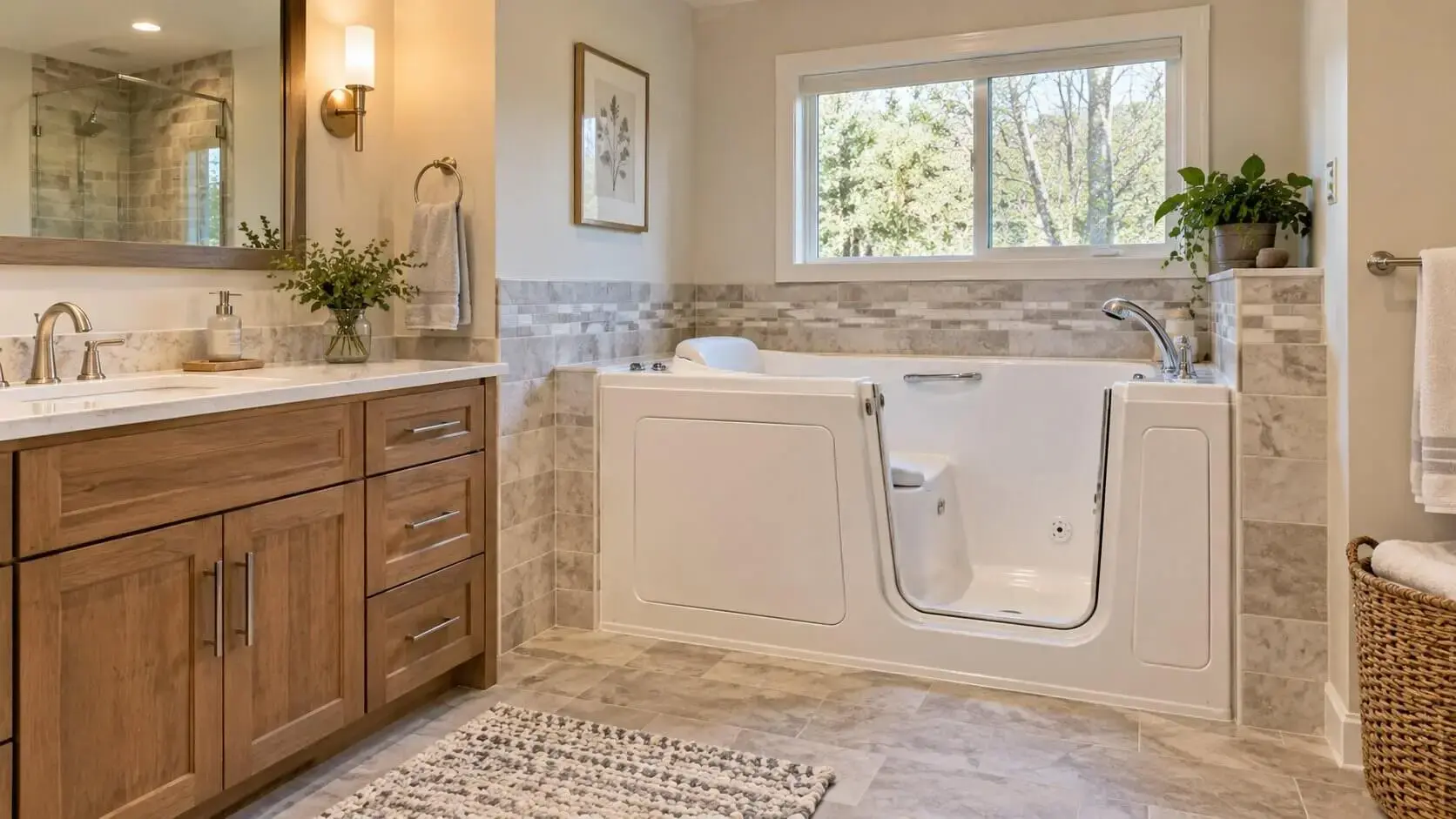
- Replacing a shower or bathtub
Master Bathroom Remodel Timeline
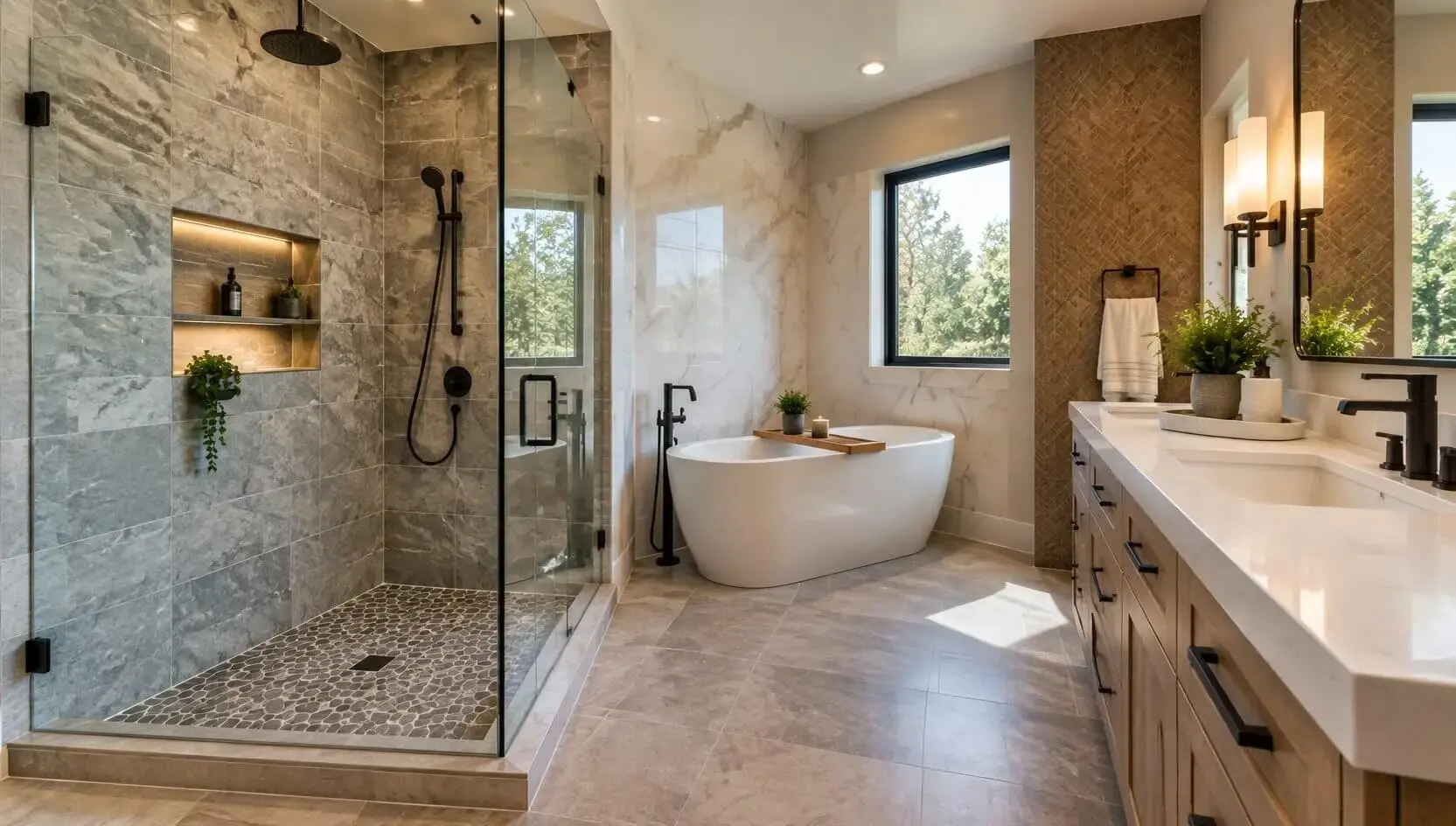
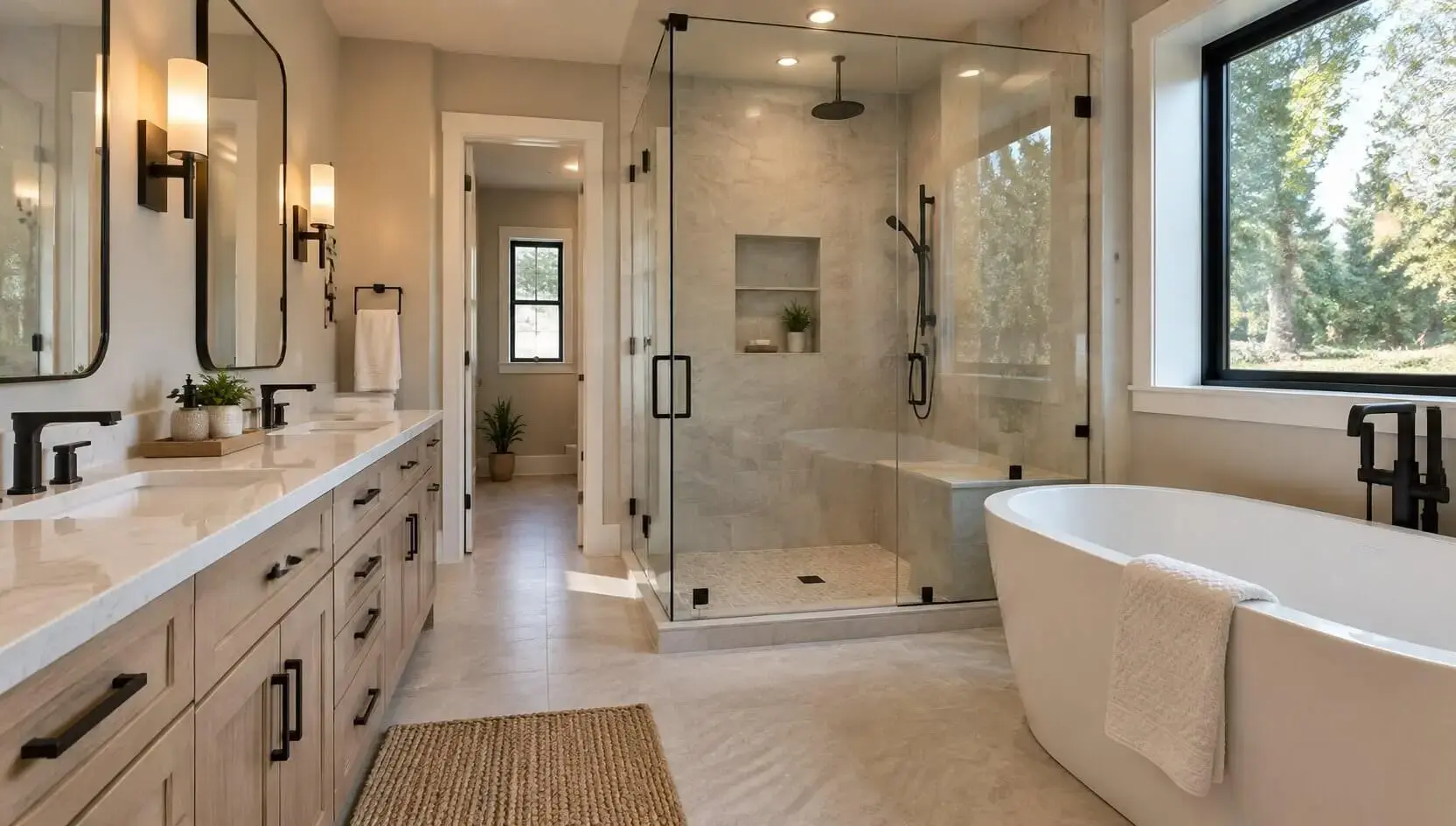
A master bathroom remodel timeline is often longer due to larger square footage and additional features.
These projects may include:
- Walk-in showers
- Freestanding tubs
- Double vanities
- Custom cabinetry
- Luxury finishes
Because of the additional work involved, completion can take six weeks or more depending on customization levels.
Typical Phases of a Bathroom Renovation
Understanding the bathroom renovation schedule and planning process helps homeowners prepare for each stage.
Planning, Design, and Material Selection
Before construction begins, homeowners must finalize designs, select materials, and approve budgets.
This phase typically includes:
- Creating the design layout
- Selecting tile and fixtures
- Ordering materials
- Obtaining permits if required
Proper planning can significantly reduce delays later in the project.
Demolition and Site Preparation
Once materials are ready, contractors begin removing existing fixtures, flooring, cabinets, and wall coverings. This phase often takes a few days but may take longer if hidden damage is discovered behind walls or beneath flooring.
Plumbing, Electrical, and Structural Work
After demolition, contractors address any necessary plumbing, electrical, or framing updates.
Examples include:
- Relocating plumbing lines
- Upgrading electrical wiring
- Installing new ventilation systems
- Repairing water-damaged framing
These tasks are critical because they form the foundation of the remodel.
Installation of Fixtures, Flooring, and Finishes
This is often the most visible stage of the renovation.
Contractors install:
- Flooring
- Tile
- Vanities
- Bathtubs
- Showers
- Toilets
- Lighting fixtures
- Mirrors and accessories
Custom materials and specialty finishes can increase installation time.
Final Inspections and Project Completion
The final stage includes inspections, punch-list items, cleanup, and final adjustments. Contractors ensure everything operates properly before completing the project and handing over the finished bathroom.
Factors That Affect Bathroom Remodel Time
Several factors influence how long a bathroom renovation takes.
Bathroom Size and Layout Complexity
Larger bathrooms naturally require more labor and materials. Complex layouts with multiple fixtures also increase installation time. Bathrooms with unusual shapes or custom designs may require additional planning and construction work.
Scope of Renovation and Custom Features
A simple refresh takes less time than a complete renovation.
Projects that include custom features often require additional scheduling, including:
- Custom cabinetry
- Built-in storage
- Heated flooring
- Luxury showers
- Freestanding tubs
The more customization involved, the longer the timeline may become.
Material Availability and Delivery Delays
One of the most common causes of delays is waiting for materials.
Products that frequently affect schedules include:
- Specialty tile
- Custom vanities
- Imported fixtures
- Glass shower enclosures
Ordering materials early can help prevent disruptions.
Permit Requirements and Inspection Schedules
Some bathroom projects require permits and inspections, especially when plumbing or electrical systems are modified. Approval timelines vary by location and can affect the overall renovation schedule.
Contractor Scheduling and Workforce Availability
Even a well-planned project can be delayed if contractors are unavailable.
Busy remodeling seasons often lead to longer wait times for:
- Designers
- Plumbers
- Electricians
- Tile installers
Scheduling work in advance helps minimize these delays.
Bathroom Renovation Schedule and Planning Tips
Creating a Realistic Project Timeline
Setting realistic expectations is one of the best ways to avoid frustration during a remodel.
When planning your schedule:
- Allow extra time for unexpected issues
- Include permit approval periods
- Consider shipping and delivery times
- Coordinate contractor availability early
A realistic timeline creates a smoother remodeling experience.
Ordering Materials Before Construction Begins
Waiting for materials after demolition starts can create major delays.
Before work begins:
- Finalize all material selections
- Confirm delivery dates
- Inspect products upon arrival
- Store materials safely until installation
Having everything ready helps contractors maintain momentum.
Preparing for Temporary Bathroom Arrangements
Bathroom renovations often make the space unusable for part of the project.
If possible:
- Designate another bathroom for daily use
- Create temporary storage for toiletries
- Plan alternative bathing arrangements if needed
Preparation reduces inconvenience during construction.
Limited-Time Offer
Upgrade Your Bathroom for Less!
-
✓
Family-owned in L.A. since 1985 -
✓
$0 Down Payment / 0% Interest for 1 Year -
✓
Long-Term Financing Starting at 9.99%
📞Call Us Today: (888) 389-9955
Benefits of Proper Bathroom Remodel Planning
Reduced Delays and Unexpected Costs
Careful planning helps identify challenges before construction begins. This reduces surprises that can extend timelines and increase expenses.
Better Project Coordination and Efficiency
When contractors, materials, and schedules are coordinated properly, work progresses more efficiently. Clear communication keeps everyone aligned throughout the project.
Improved Remodeling Results
Good planning often leads to better design decisions, higher-quality workmanship, and a more successful finished bathroom. Homeowners who invest time in preparation typically experience smoother renovations and greater satisfaction.
Common Mistakes That Can Delay a Bathroom Remodel
Several common mistakes can extend a bathroom remodel timeline:
- Changing design decisions after construction begins
- Ordering materials too late
- Hiring contractors without proper scheduling
- Ignoring permit requirements
- Underestimating project complexity
- Failing to budget for unexpected repairs
- Choosing custom products with long lead times
Avoiding these issues can help keep your renovation on schedule.
FAQs
1. How long does a typical bathroom remodel take?
A. A typical bathroom remodel usually takes between four and eight weeks, depending on the scope of work and material availability.
2. How long does a small bathroom remodel take?
A. A small bathroom remodel timeline generally ranges from two to four weeks when major plumbing or structural changes are not required.
3. Why do bathroom remodeling projects get delayed?
A. Common causes include permit delays, material shortages, hidden water damage, design changes, and contractor scheduling conflicts.
4. Does moving plumbing increase the remodel timeline?
A. Yes. Relocating plumbing lines often requires additional labor, inspections, and construction work, which can extend the project schedule.
5. How can I speed up a bathroom renovation?
A. You can reduce delays by finalizing design decisions early, ordering materials in advance, securing permits beforehand, and hiring experienced professionals.
Conclusion
Understanding how long it takes to remodel a bathroom helps homeowners prepare for every stage of the renovation process. While timelines vary based on bathroom size, project scope, materials, and contractor availability, most remodels follow a predictable sequence of planning, demolition, installation, and final completion.
By creating a realistic schedule, ordering materials early, and avoiding common delays, you can keep your project moving efficiently. For larger or more complex renovations, working with experienced bathroom remodeling professionals can help ensure a smoother process and a successful final result.

- 6 Bathroom Tile Materials Ranked for Wet Areas - September 30, 2026
- 8 Bathroom Remodel Mistakes That Waste Money and Where to Put It Instead - September 30, 2026
- Are Walk-In Tubs Still Worth Choosing for a Bathroom Remodel - September 30, 2026