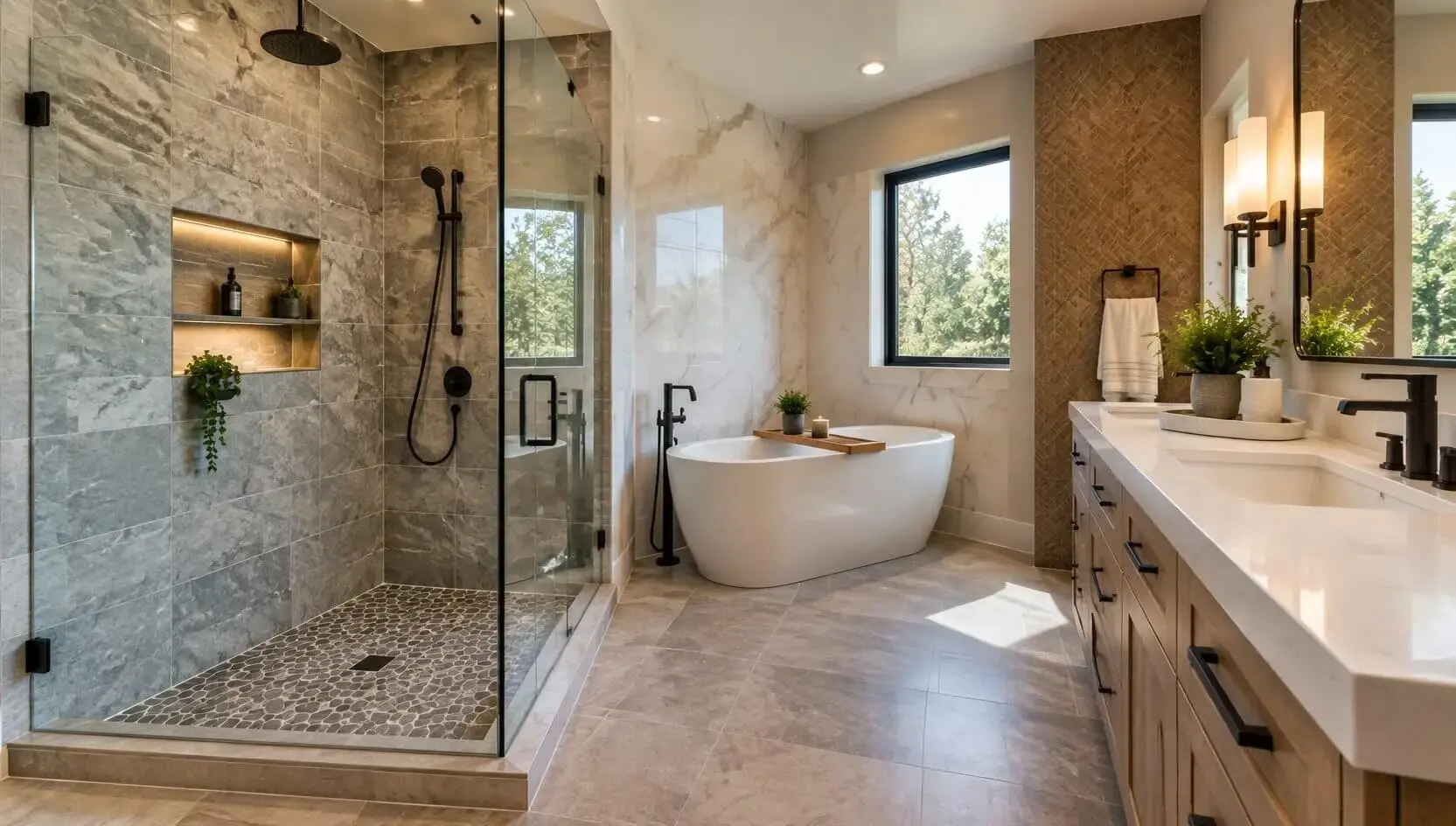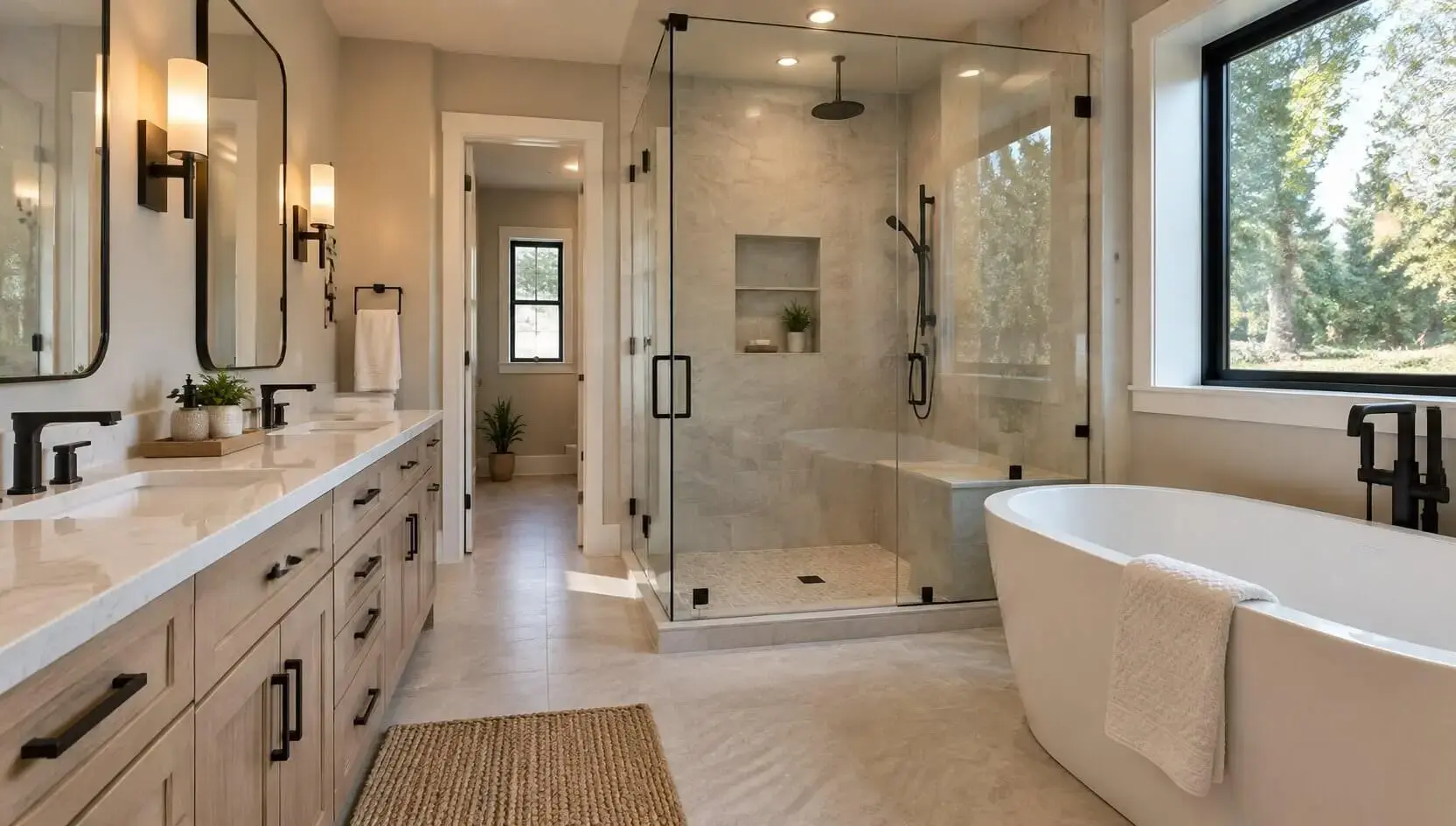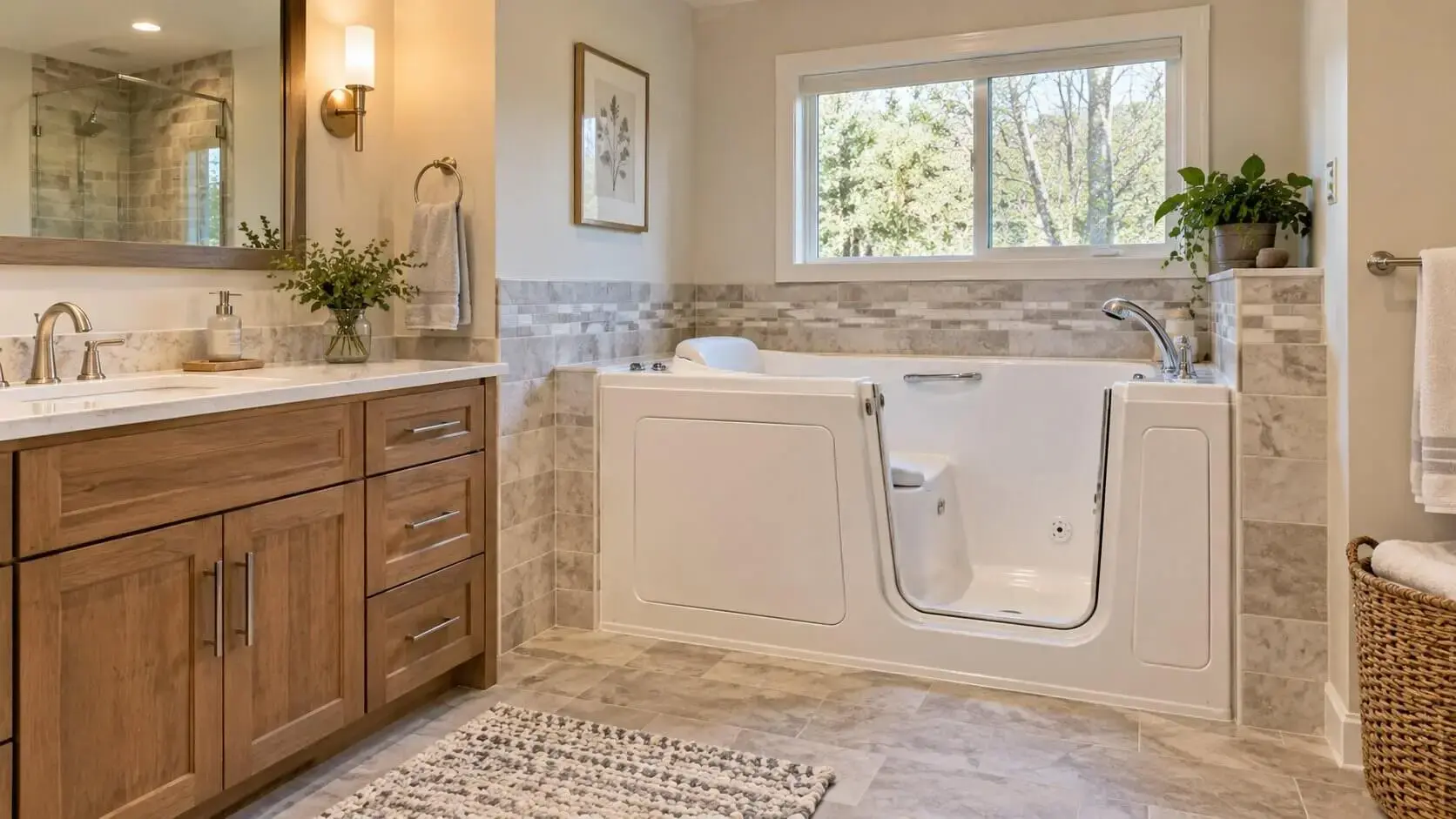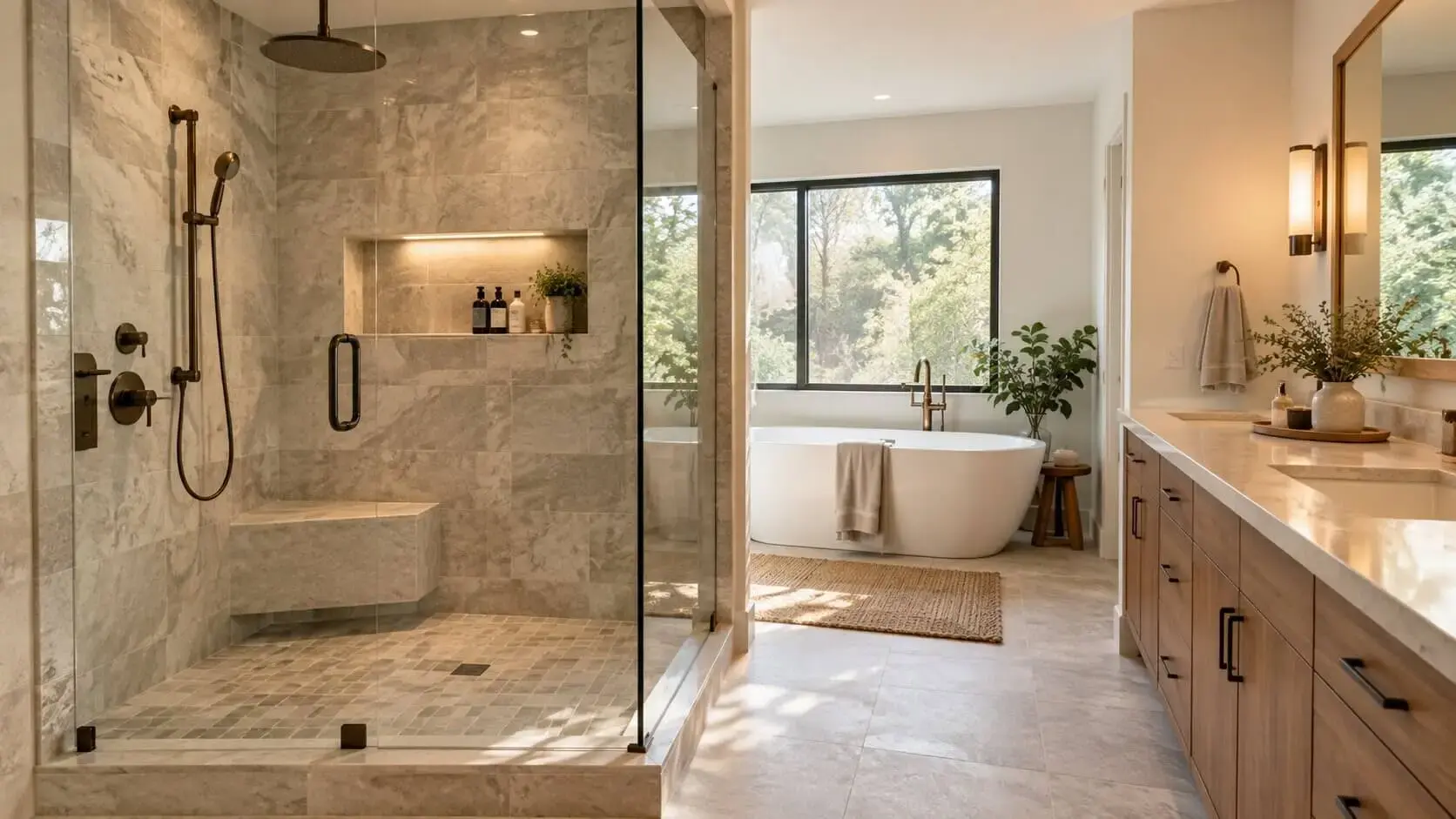
A bathroom can have a brand-new vanity, beautiful tile, and modern fixtures, yet still feel surprisingly dated. Often, the problem is not the renovation itself but the lighting. Poorly positioned fixtures, harsh color temperatures, and inadequate illumination can make an otherwise contemporary bathroom look flat, uncomfortable, or older than it really is.
Good bathroom lighting should do more than brighten the room. It should provide enough light for everyday tasks, complement the design, and create a comfortable atmosphere. By avoiding a few common mistakes and planning your lighting more intentionally, you can make a new bathroom feel polished and modern for years to come.
Understanding Bathroom Lighting and Modern Bathroom Design
Why Does Bathroom Lighting Matter in a Modern Bathroom?
Lighting influences how you see virtually every element in a bathroom, from the color of the tile to the finish of the vanity. It also affects practical tasks such as shaving, applying makeup, grooming, and showering. Even expensive materials can lose their visual impact when they are poorly illuminated.
Modern bathroom lighting typically combines several types of illumination rather than depending on one fixture. Ambient lighting provides general brightness, task lighting supports specific activities, and accent lighting can highlight architectural details or decorative features. When these layers work together, the bathroom feels more balanced and intentional.
How Poor Lighting Choices Can Make a New Bathroom Feel Dated
Outdated lighting is not always obvious. A fixture may look modern on its own but still create problems when it is too large, too bright, poorly positioned, or incompatible with the rest of the bathroom. Harsh shadows around a vanity or a cold, overly bright ceiling light can make the entire space feel less inviting.
The key is to consider lighting as part of the bathroom design rather than something added after the renovation is complete. Fixture placement, brightness, color temperature, and style should all work with the layout and finishes.
The Role of Ambient, Task, and Accent Lighting in a Bathroom
A well-designed lighting plan generally uses different layers for different purposes:
- Ambient lighting: Provides the room’s overall illumination through ceiling fixtures, recessed lights, or other broad sources.
- Task lighting: Focuses light where detailed activities take place, particularly around mirrors and vanities.
- Accent lighting: Adds visual interest by highlighting niches, architectural details, artwork, or decorative elements.
You do not necessarily need a large number of fixtures. The goal is to distribute light effectively so that no single source has to do all the work.
7 Lighting Mistakes That Make Even New Bathrooms Feel Dated
1. Relying on a Single Overhead Light
One ceiling fixture may technically illuminate a bathroom, but it rarely provides the best result. Depending on the fixture’s location, it can leave corners dark while casting unflattering shadows over the vanity and mirror. The result is uneven lighting that can make the room feel basic or outdated.
Instead, consider combining general illumination with dedicated task lighting. Recessed fixtures, a ceiling-mounted light, or other ambient sources can brighten the room while wall-mounted fixtures near the vanity provide more useful illumination where you need it.
2. Choosing the Wrong Color Temperature for Bathroom Lighting
The color temperature of your bulbs can dramatically change the appearance of the bathroom. Extremely cool white lighting can feel harsh and clinical, while very warm lighting may make certain surfaces appear yellow or distort colors when you are getting ready.
For many residential bathrooms, a balanced neutral-to-warm white range can provide a comfortable appearance while still offering clear visibility. Most importantly, keep the color temperature reasonably consistent between fixtures so the room does not appear visually mismatched.
3. Installing Vanity Lights That Create Harsh Shadows
Lighting directly above the head can create shadows beneath the eyes, nose, and chin. This is especially inconvenient around a bathroom mirror, where even illumination is important for grooming and makeup application.
Bathroom wall lighting placed on either side of a mirror can help illuminate the face more evenly. If side lighting is not practical, a suitable fixture above the mirror can still work when it is positioned and sized appropriately for the vanity.
4. Using Oversized or Mismatched Bathroom Lighting Fixtures
A lighting fixture should be proportional to the bathroom and the features surrounding it. An oversized fixture above a small vanity can dominate the space, while tiny fixtures may look lost above a large double vanity.
The finish and design of your fixtures also matter. Rather than choosing every fixture independently, consider how the lighting works with the faucet, cabinet hardware, mirror frame, and other finishes. Coordinated choices create a more intentional appearance without requiring everything to match perfectly.
5. Overlooking Lighting in the Shower and Wet Areas
The shower is one of the areas where good illumination is particularly useful, yet it is frequently overlooked during bathroom renovations. A dark shower can make the space feel smaller and less functional, especially when the main ceiling light is positioned outside the enclosure.
Appropriate shower room lights can provide focused illumination while complementing the rest of the bathroom. Fixtures used in wet or damp locations should always be selected according to the applicable safety requirements and their intended installation area.
6. Skipping Dimmers and Flexible Lighting Controls
A bathroom does not always need the same amount of light. Bright illumination can be helpful in the morning, while softer lighting may be preferable during a late-night visit. Without adjustable controls, you are often stuck with one brightness level.
Installing dimmable fixtures and compatible controls can make the bathroom more flexible. Before choosing a dimmer, confirm that the bulbs and fixtures are designed to work with it. This small upgrade can also help create a more relaxing atmosphere without changing the entire lighting system.
7. Treating Bathroom Lighting as an Afterthought
One of the biggest mistakes is waiting until the end of the renovation to decide where the lights will go. By that point, the vanity, mirror, shower, ceiling, and electrical locations may already dictate what is possible.
Planning early allows you to coordinate lighting with the bathroom layout. Consider where you will need light, how doors and cabinets open, where mirrors are positioned, and how different fixtures will interact before installation begins.
How to Choose Bathroom Lighting Fixtures for a Modern Look
The best fixtures should balance appearance and performance. Instead of selecting a light simply because it looks attractive in a showroom or online, consider its scale, light distribution, finish, and suitability for the location.
When comparing bathroom lighting fixtures, look at:
- The size and layout of the bathroom
- The fixture’s brightness and light distribution
- Color temperature and color rendering
- Compatibility with dimmer controls
- Moisture or damp-location requirements
- Finish and style in relation to existing hardware
For example, sleek recessed fixtures may complement a minimalist bathroom, while decorative bathroom lamps or sconces can add character to a more traditional design. The fixture should enhance the room rather than become an unrelated focal point.
Choosing Light Fixtures for Bathroom Size and Layout
Start by considering the room’s dimensions and where illumination is actually needed. A compact bathroom may require fewer fixtures but still benefit from dedicated vanity and shower lighting. A larger bathroom may need several ambient sources to prevent dark areas.
Think beyond the floor plan, too. Tall cabinets, mirrors, shower walls, and partitions can block or redirect light. Planning around these elements helps create more consistent illumination throughout the space.
Matching Bathroom Light Fittings With Your Fixtures and Finishes
Bathroom light fittings should complement the materials already present. If your bathroom uses brushed metal hardware, for instance, a similar or intentionally contrasting finish may create a cohesive look.
You do not need every element to be identical. Instead, aim for visual consistency between your lighting, faucets, cabinet hardware, mirrors, and other prominent finishes.
How to Layer Bathroom Lighting for Better Function and Style
Layering prevents the bathroom from depending on a single light source. It also gives you more control over how the room looks and functions at different times of day.
A practical layered approach might include:
| Lighting Layer | Main Purpose | Common Options |
| Ambient | Overall illumination | Ceiling fixtures, recessed lights |
| Task | Grooming and detailed activities | Vanity lights, wall sconces |
| Shower | Focused wet-area illumination | Suitable recessed shower fixtures |
| Accent | Decorative atmosphere | Niche or under-cabinet lighting |
Using Ambient Lighting for Overall Illumination
Ambient lighting establishes the general brightness of the room. It should provide enough illumination for moving around safely without relying entirely on task or accent fixtures.
Adding Bathroom Wall Lighting Around the Vanity and Mirror
Wall-mounted fixtures can provide more balanced illumination around the face than a single overhead source. Position them thoughtfully in relation to the mirror and vanity so that light is distributed without producing excessive glare.
Using Shower Room Lights for Safe and Focused Illumination
Dedicated shower lighting can eliminate dark areas inside the enclosure and make the space feel more comfortable. Always select fixtures specifically appropriate for their installation environment and follow local electrical requirements.
Combining Different Light Sources Without Creating Visual Clutter
More fixtures do not automatically mean better lighting. Too many visible fixtures, competing finishes, or overly bright sources can make a bathroom feel busy.
Choose fewer, well-positioned fixtures and make sure each one has a purpose. The result should feel layered but still visually clean.
Common Bathroom Lighting Mistakes to Avoid
Before finalizing your lighting plan, check for these common problems:
- Installing lights without considering the bathroom layout: Fixture locations should work with mirrors, vanities, showers, and storage.
- Choosing fixtures based only on appearance: A beautiful fixture is not useful if it provides poor illumination or is unsuitable for its location.
- Using inconsistent color temperatures: Mixing noticeably different bulb colors can make the room feel disjointed.
- Creating too much glare around mirrors: Reflective surfaces can amplify bright, poorly positioned light.
A quick review before installation can prevent many of these issues and save you from making expensive changes later.
How to Update Outdated Bathroom Lighting Without a Full Remodel
You do not always need to renovate the entire bathroom to improve its lighting. Replacing dated fixtures, changing bulbs, or adding another lighting layer can significantly change the room’s appearance.
Start with the biggest problem. If the vanity is poorly illuminated, upgrade that area first. If the entire room feels dark, consider improving the ambient lighting before adding decorative fixtures.
Replacing Dated Fixtures With Modern Bathroom Light Fittings
Swapping old fixtures for streamlined designs can immediately refresh the bathroom. Choose styles that complement the existing hardware and finishes rather than selecting a fixture solely because it is currently trendy.
Adding Bathroom Wall Lighting for Better Vanity Illumination
If your mirror area feels shadowy, adding suitable wall fixtures can improve both function and appearance. This is often one of the most noticeable lighting upgrades because it directly affects everyday grooming tasks.
Upgrading Bulbs and Color Temperature for a Fresher Look
Sometimes the fixture itself is not the problem. Replacing outdated bulbs with better-quality options can improve brightness, color consistency, and the overall appearance of surfaces.
Adding Layered Lighting to Improve an Existing Bathroom
Adding a second lighting layer can make a dramatic difference without changing the entire room. For example, combining existing ambient lighting with improved vanity illumination can create a more balanced and contemporary result.
FAQs
What is the best type of lighting for a modern bathroom?
A combination of ambient and task lighting is usually more effective than relying on one fixture. Recessed or ceiling lighting can provide general illumination, while vanity or wall fixtures can provide focused light for grooming.
What color temperature is best for bathroom lighting?
A neutral to warm-white color temperature is often comfortable for residential bathrooms. The ideal choice depends on the room’s finishes and personal preference, but consistency between fixtures is particularly important.
Should bathroom vanity lights be above or beside the mirror?
Side lighting generally helps reduce facial shadows and provides more even illumination. If side fixtures are not practical, a properly positioned fixture above the mirror can also provide effective task lighting.
How many light fixtures does a bathroom need?
There is no universal number because the ideal setup depends on the bathroom’s size, layout, ceiling height, and lighting requirements. A good plan should provide sufficient ambient illumination while addressing key areas such as the vanity and shower.
What type of lights are best for a shower?
Fixtures specifically rated and approved for the conditions of the shower installation are essential. Choose products appropriate for wet or damp locations as required and follow applicable electrical codes and installation requirements.
Conclusion
Good lighting can make the difference between a bathroom that simply looks new and one that feels genuinely modern. Avoiding common mistakes such as relying on a single overhead fixture, choosing unsuitable color temperatures, or neglecting vanity and shower lighting can dramatically improve both appearance and functionality.
The goal is not to fill the room with as many fixtures as possible. Instead, choose well-positioned bathroom lighting that supports everyday tasks, complements your design, and creates a comfortable atmosphere. With thoughtful planning and the right combination of fixtures, your new bathroom can continue to look fresh and contemporary long after the renovation is complete.

- 6 Bathroom Tile Materials Ranked for Wet Areas - September 30, 2026
- 8 Bathroom Remodel Mistakes That Waste Money and Where to Put It Instead - September 30, 2026
- Are Walk-In Tubs Still Worth Choosing for a Bathroom Remodel - September 30, 2026