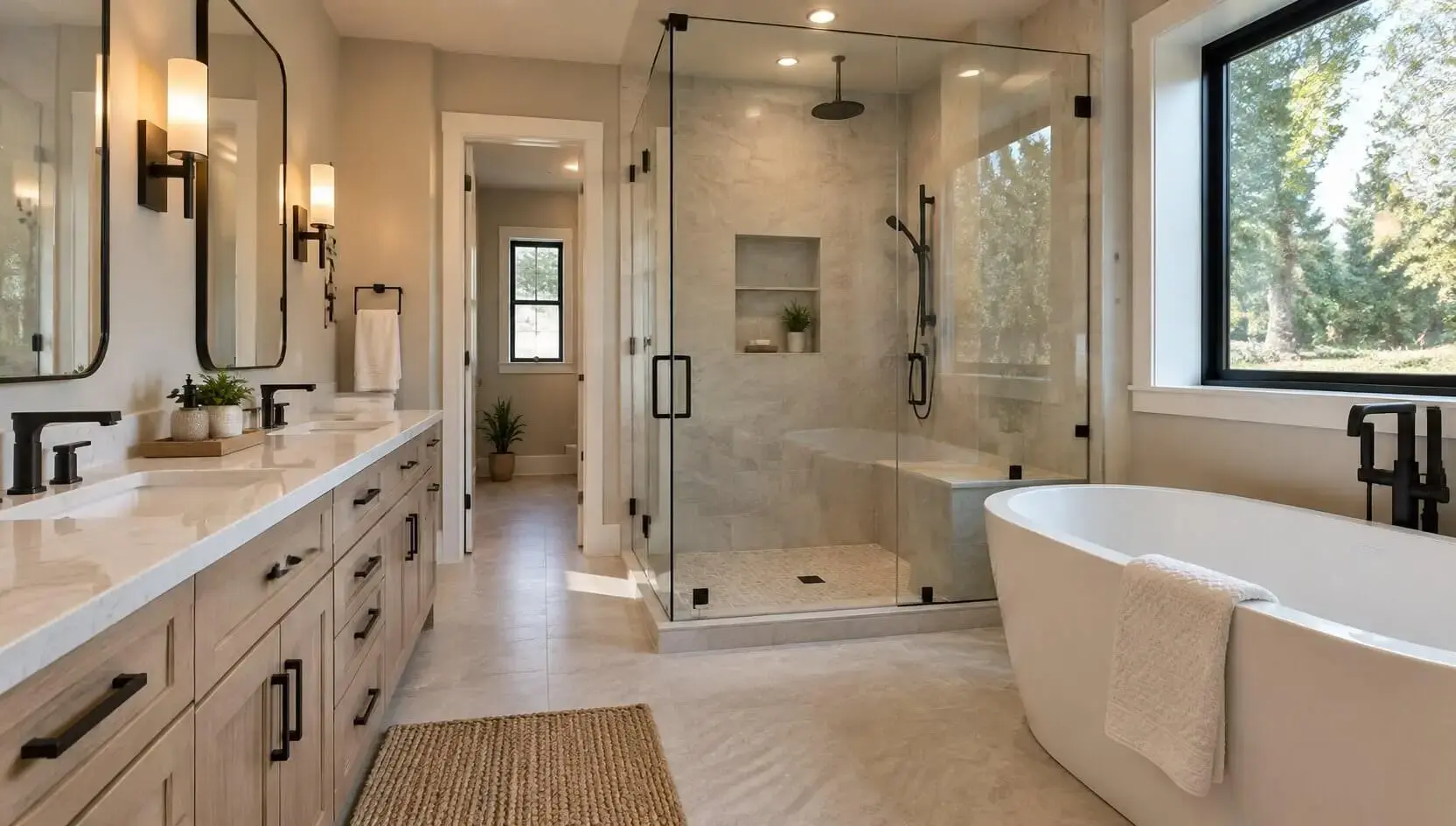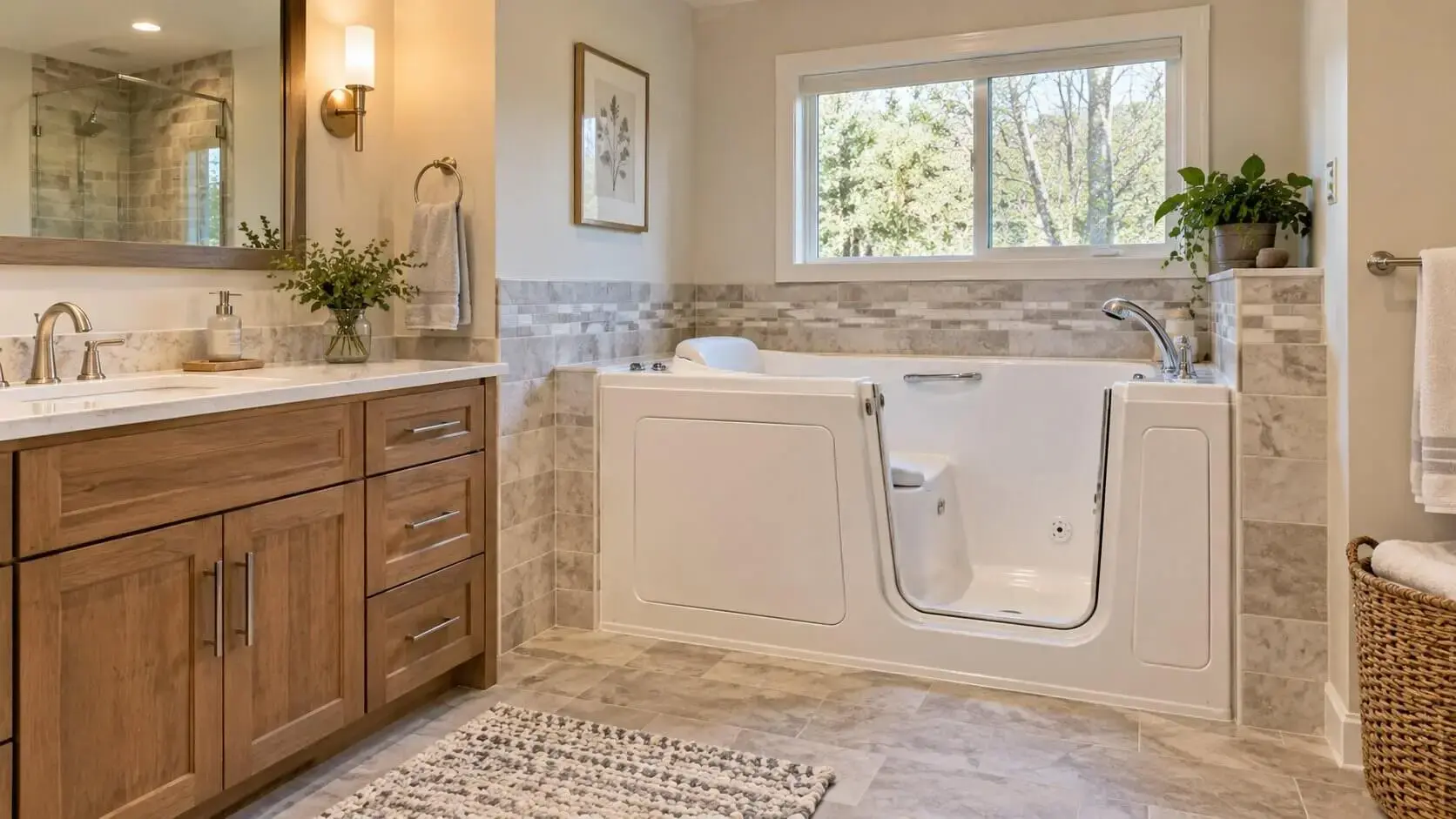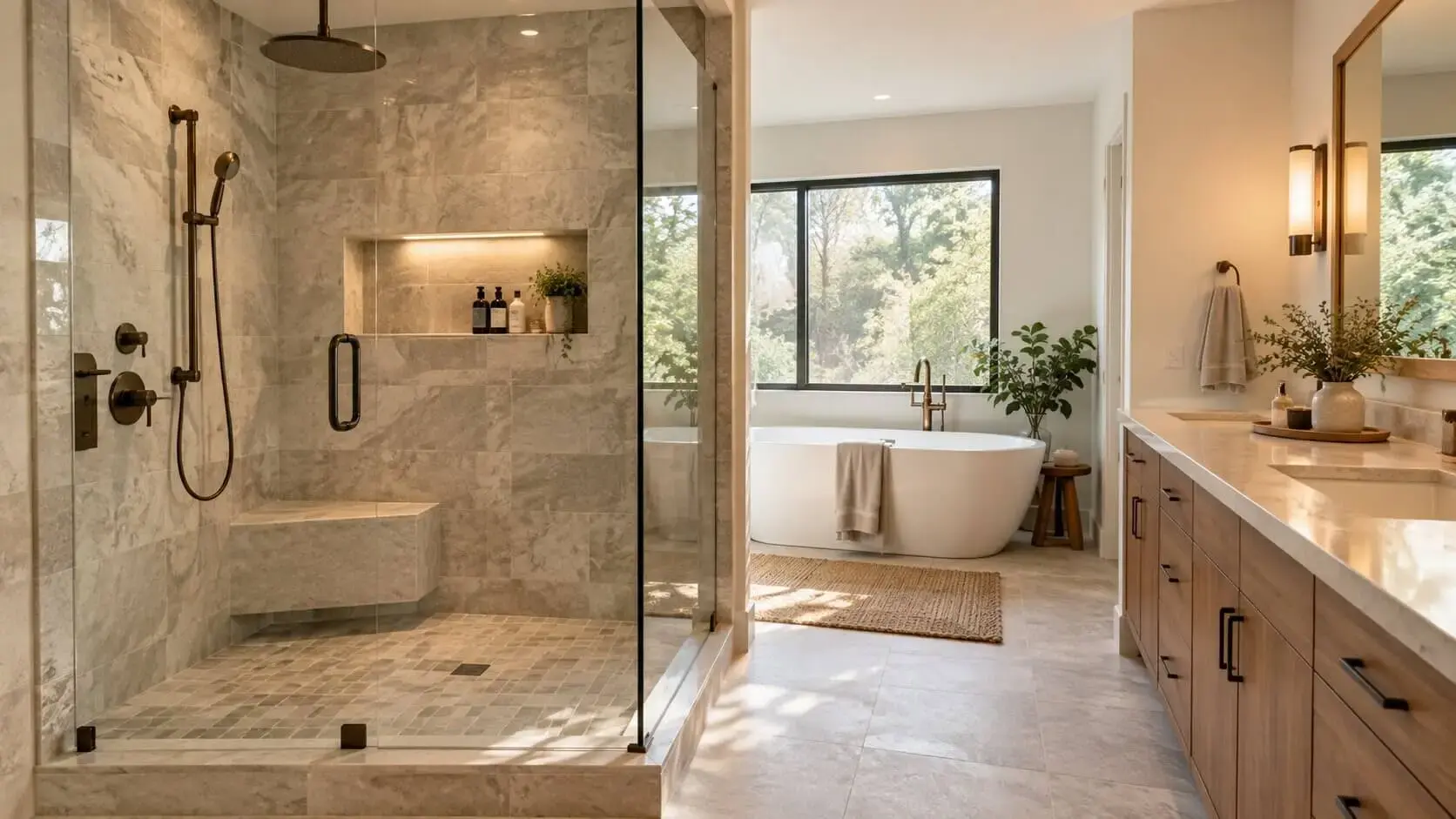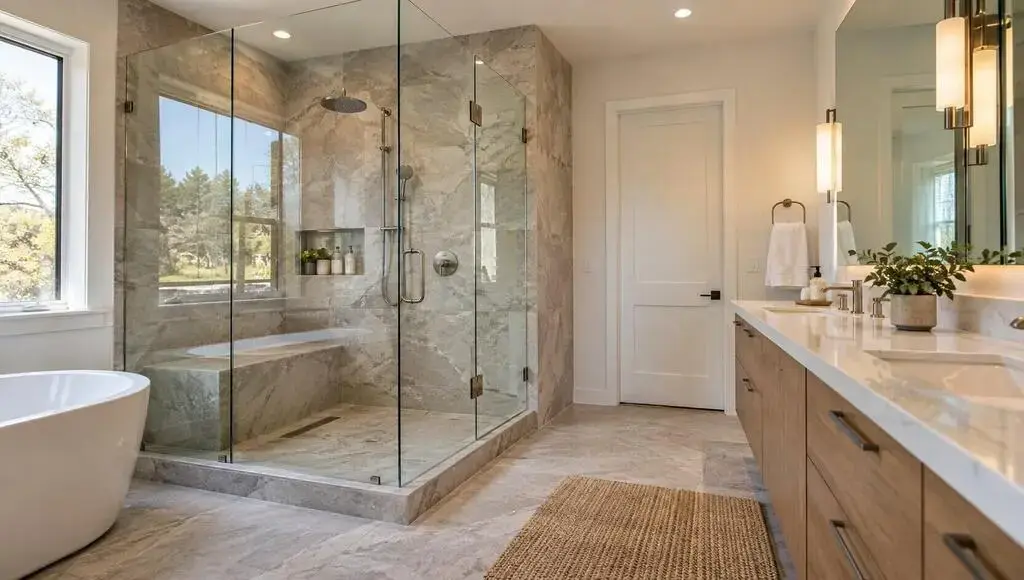
Picking bathroom tile is one of those decisions that looks like an aesthetic choice and turns out to be an engineering one. Water changes how a tile behaves, how safe it is underfoot, and how much time you spend maintaining it. Choose well and the tile disappears into the background of daily life. Choose poorly and it becomes a slow-motion problem that shows up as slick floors, water spots that will not come clean, mildew in the wrong places, or grout that never looks right again. This article ranks six tile materials by how they actually perform in wet bathroom areas, so you can match your choice to your shower, your bathroom floor, and the kind of upkeep you are realistic about.
What Actually Makes a Tile Right for Wet Areas
Most tile problems in a bathroom trace back to a handful of properties, not the pattern on the surface. Water absorption is the biggest one. The less water a tile pulls in, the less it swells, cracks, harbors bacteria, or breaks down over years of exposure. Porcelain sits at one end of that scale and most natural stone sits closer to the other, which is why the same material can be perfect on a wall and problematic on a shower floor.
Slip resistance is the second driver. A tile that looks great when dry can turn dangerous once soap and water hit it, especially in the shower. Finish matters as much as material here, since a polished stone and a matte-finish porcelain of the same size will behave very differently underfoot. The other factors that decide long-term performance are hardness (resistance to chipping and scratching), porosity (which determines whether it needs sealing), grout demand, and how honest you are with yourself about upkeep. Those criteria are what the ranking below is built on.
The 6 Tile Materials Ranked for Bathroom Wet Zones
No single tile wins in every situation, so the ranking below reflects overall wet-area performance across shower floors, walls, tub surrounds, and bathroom floors combined. Where a material is genuinely strong for one use and weak for another, that trade-off is called out.
Porcelain
Porcelain is the default answer for most wet-area tile decisions, and it earns the top spot. It is fired at higher temperatures and made from denser clays than standard ceramic, which means it absorbs very little water and holds up to constant moisture without breaking down. That density also makes it hard, chip-resistant, and forgiving of daily use. Modern porcelain can convincingly mimic marble, travertine, slate, and wood, which lets homeowners get a high-end look without the maintenance headaches of the real thing.
The main trade-offs are cost and installation. Porcelain is harder to cut than ceramic, which pushes labor costs up, and the material itself tends to run higher than basic ceramic. For a shower floor, a textured or matte-finish porcelain in a smaller format gives good grip and stays easy to clean. On walls, larger-format porcelain reduces grout lines and keeps the surface uninterrupted. If you are prioritizing long-term durability with minimal upkeep, this is where to start.
Ceramic
Ceramic sits just below porcelain and earns its place through affordability and versatility. Glazed ceramic tile has a protective surface that resists water well enough for shower walls, tub surrounds, and most bathroom floors outside the wet zone. It comes in more colors, patterns, and price points than any other tile type, which makes it the practical choice when the design budget is stretched.
Where ceramic loses ground is on shower floors and in heavy daily-use showers. It is softer and more porous than porcelain, so it can chip more easily and does not shrug off constant water as cleanly over the long run. As a shower wall tile paired with a porcelain floor, or as the main tile for a low-use guest bathroom, it is a strong value choice. As the tile carrying the load in a primary shower used every day for the next decade, porcelain usually holds up better.
Natural Stone
Natural stone (marble, travertine, slate, quartzite, and similar) sits in the middle of the ranking and belongs in a category of its own because performance varies so much by stone type, finish, and how honestly the homeowner approaches maintenance. Slate and tumbled travertine have naturally textured surfaces that give real slip resistance, which makes them useful on shower floors when sealed and cared for properly. Marble is a different story. It is genuinely beautiful, and it stains, etches, and shows soap film in ways homeowners often are not prepared for.
All natural stone is porous and needs sealing before use and resealing on a schedule for the life of the shower. Skip that and you invite staining, discoloration, and moisture damage that is expensive to fix. Polished stone finishes on a wet floor are a hazard regardless of the material. If you want the look and are ready for the upkeep, honed slate, honed travertine, or a well-sealed marble in the right location can be a good fit. If you want the look with less commitment, a marble-look porcelain does most of what you want without the sealing schedule.
Glass
Glass tile is one of the most water-resistant materials you can put in a bathroom because it is completely non-porous. Nothing soaks in, nothing stains, and it never needs sealing. That makes it a strong choice for shower walls, accent bands, niches, and feature strips, especially where you want light to bounce and the room to feel brighter.
The reason it lands mid-pack rather than higher is that glass is not right everywhere. On a shower floor it can become slick when wet unless a textured or mosaic version is used, and it shows water spots more readily than most other materials. Quality glass tile also runs higher in price, and installation calls for a skilled hand because the substrate shows through and any imperfection is visible. Used as an accent or a wall feature, glass is excellent. Used as the main floor surface in a heavy-use shower, it usually is not the right pick.
Pebble
Pebble tile has a specific job it does very well and outside of that job it can become a maintenance headache. On a shower floor, the natural shape of the stones underfoot is comfortable, has real slip resistance from the many grout lines and rounded surfaces, and creates a spa-adjacent look that flat tile cannot match. That is where it belongs.
The downside is grout. Pebble tile has significantly more grout surface than any other option on this list, and grout in a wet, warm environment is where soap scum and mildew live. Even flat-sliced pebble reduces the problem without eliminating it. Pebble also needs sealing before grouting and periodic resealing after that. If you like the look and are willing to keep up with cleaning, it is a great shower floor material. If low maintenance is a priority, choose a textured porcelain instead.
Cement
Cement tile is the tricky one. It is having a moment for its bold patterns and matte, hand-made look, and it can add a real point of interest to a bathroom. In wet areas, though, it demands more than most homeowners expect. Cement tile is porous, needs sealing before grouting, and requires ongoing sealing to prevent staining, water damage, and etching from anything acidic that touches it. Even sealed, it is not as forgiving of standing water as porcelain or glazed ceramic.
Used on a powder room floor, a vanity wall, or a bathroom floor outside the wet zone, cement tile can work well and hold its character. Inside a shower, it is a commitment. It can be done successfully, but only with a full sealing program and a homeowner who knows what they are signing up for. That is why it lands at the bottom of a ranking focused specifically on wet-area performance, not because the tile is bad, but because the environment tests it hardest.
Matching Tile to Location Inside the Bathroom
Wet area is not a single condition. A shower floor, a shower wall, a tub surround, and a bathroom floor outside the shower all sit at different points on the moisture and safety scale, and the best tile for one is often the wrong tile for another. The table below is a quick reference for where each material tends to land.
| Material | Shower Floor | Shower Walls | Tub Surround | Bathroom Floor |
| Porcelain | Best (textured or mosaic) | Best | Best | Best |
| Ceramic | Not ideal | Good | Good | Good |
| Natural Stone | Only textured or honed, well sealed | Good with sealing | Good with sealing | Moderate, sealing required |
| Glass | Only textured or mosaic | Good | Good | Not ideal |
| Pebble | Good | Not typical | Not typical | Not typical |
| Cement | Not recommended | Moderate with sealing | Moderate with sealing | Good outside wet zone |
The main takeaway is that a well-planned bathroom often mixes two or three materials rather than covering everything in one. A textured porcelain on the shower floor paired with a larger-format porcelain or a ceramic on the walls, with a glass or stone accent in the niche, gives you the performance where it matters and the design interest where it earns its keep.
Why Grout, Sealing, and Installation Decide Long-Term Performance
Tile is only as good as the system it sits in. Grout has a lower water resistance than most tile itself, so its condition and sealing schedule matter almost as much as the tile choice. Choosing a high-quality grout, keeping joints tight where the design allows, and using a mildew-resistant formulation for wet areas all extend the life of the whole installation.
Sealing follows the material. Porcelain and glazed ceramic do not need to be sealed, but their grout usually does. Natural stone, pebble, and cement all need sealing before use and on a schedule after that, or the material starts breaking down in ways that are hard to reverse. Skipping this step is one of the most common regrets in bathroom remodels, and it shows up months or years later rather than immediately.
Installation is the last part of the system and often the most decisive. Even the best tile fails without a proper waterproofing membrane behind it, a correctly sloped shower floor, and a substrate that is flat, solid, and dry. This is where a skilled installer earns their fee. If the waterproofing is done right and the tile is set on a solid base, most materials on this list will perform close to their potential. If either is done poorly, no tile choice will save the shower.
How to Choose the Right Tile for Your Bathroom
The right tile is the one that matches how the bathroom actually gets used, not the one that photographs best. A few questions worth answering honestly before choosing:
- How often will this bathroom be used, and by how many people
- Is this the primary shower or a low-use guest bath
- How much time are you realistically willing to spend on cleaning and sealing
- Do you want a single material throughout or a mix that puts durability on the floor and design on the walls
- Is anyone in the household at higher risk of slipping, and does the floor need extra grip
- What does your remodeler recommend for the specific substrate, layout, and waterproofing plan for your bathroom
Answering those, then comparing the answers against how each material behaves in the ranking above, usually narrows the choice quickly. In smaller bathrooms, a single well-chosen porcelain often carries the whole room. In larger bathrooms with more design ambition, mixing two or three materials by location is where the strongest results come from.
Frequently Asked Questions
1. What is the safest tile for a shower floor?
A. Textured porcelain, honed slate, tumbled travertine, and pebble tile all offer real slip resistance on shower floors when specified correctly. Smaller-format tiles with more grout lines also add grip because the grout adds traction. Polished stone, high-gloss ceramic, and large glossy tiles are the ones to avoid underfoot in the shower.
2. Do you have to seal natural stone tile in a shower?
A. Yes. Every natural stone material used in a shower needs to be sealed before use and resealed on a schedule for as long as the shower exists. The exact frequency depends on the stone type, the sealer used, and how heavily the shower is used, but treating sealing as ongoing maintenance rather than a one-time task is the right mindset going in.
3. Is porcelain always the better choice over ceramic in wet areas?
A. For shower floors and heavy-use showers, yes. Porcelain absorbs less water, resists chipping better, and holds up longer under daily use. For shower walls, tub surrounds, and lower-use bathrooms, glazed ceramic is a strong value option that performs well and stretches the design budget further. The right answer often depends on where the tile is going.
4. Can large format tile work in a shower?
A. Yes, and it can look excellent, particularly on shower walls where fewer grout lines create a cleaner surface. Two conditions matter for it to work well. The substrate has to be flat and prepared correctly, since large tiles show every imperfection, and shower floors still need a smaller format with more grout lines for slip resistance. Pairing a large-format wall tile with a smaller-format floor tile is a common approach.
5. What tile is easiest to clean in a bathroom?
A. Porcelain and glazed ceramic top the list because they are non-porous, do not need sealing, and wipe down easily. Glass is also easy to clean but shows water spots quickly. Natural stone, pebble, and cement all involve more effort because of sealing schedules and grout care. If minimizing cleaning time is a priority, staying in the porcelain and glazed ceramic range is the simplest path.
Choosing Bathroom Tile That Performs as Well as It Looks
The honest answer to what makes the best tile for a shower is that it depends on where in the bathroom the tile is going, how the room gets used, and how much maintenance you are ready to keep up with. Porcelain remains the safest all-around choice for wet areas because it delivers strong performance with minimal upkeep. Ceramic, glass, natural stone, pebble, and cement each have their place when matched to the right location and paired with the sealing and installation practices they require.
If you are planning a remodel and not sure how to combine materials or which grades to specify for your bathroom, a short conversation with an experienced bathroom remodeler about substrate, waterproofing, layout, and daily use usually leads to a tile plan that looks the way you want and holds up the way it should. The tile is only part of the equation, but choosing it against the right criteria is the part that determines whether the bathroom still looks and feels right ten years after the remodel.

- 6 Bathroom Tile Materials Ranked for Wet Areas - September 30, 2026
- 8 Bathroom Remodel Mistakes That Waste Money and Where to Put It Instead - September 30, 2026
- Are Walk-In Tubs Still Worth Choosing for a Bathroom Remodel - September 30, 2026