Choosing among different bathtub styles is about more than finding a tub that looks good. The right bathtub should fit your bathroom, provide the level of comfort you want, complement your design, and make sense for your long-term plans. Some tubs are designed for deep relaxation, while others prioritize space efficiency, accessibility, or broad resale appeal.
In this guide, we rank seven popular bathtub styles based on comfort, style, resale appeal, and practicality. Whether you’re planning a complete bathroom remodel or simply replacing an outdated tub, these comparisons can help you find an option that works for your space and lifestyle.
How We Ranked These Bathtub Styles
Each bathtub style is evaluated using four factors. Comfort considers soaking depth, ergonomics, and the overall bathing experience, while style looks at how well the tub works with different bathroom aesthetics. Resale appeal considers how desirable the design may be to future homeowners.
Practicality also matters because a beautiful tub is less useful if it requires too much space or maintenance. Installation requirements, everyday usability, cleaning, and compatibility with your bathroom layout all influence the rankings.
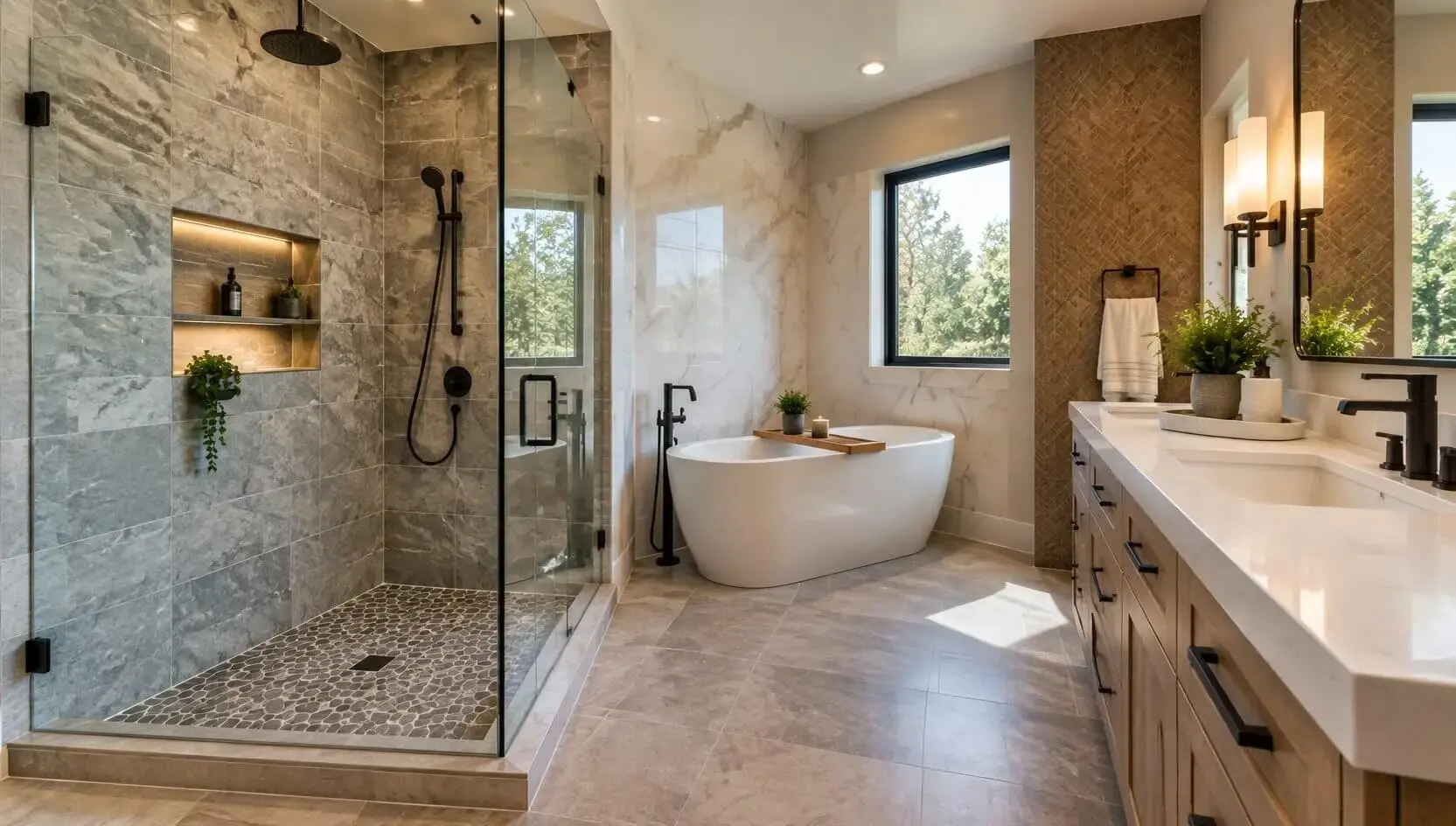
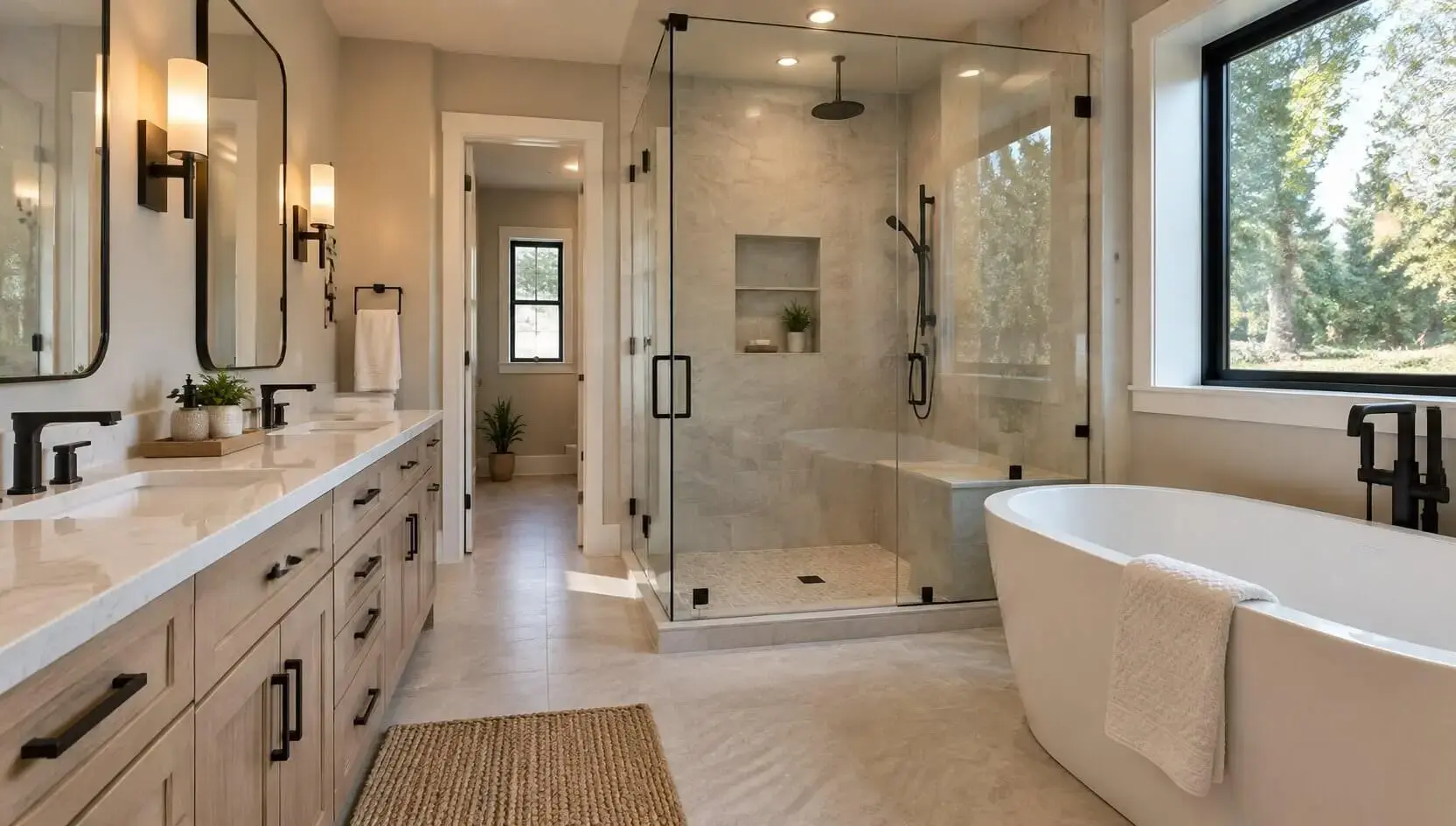
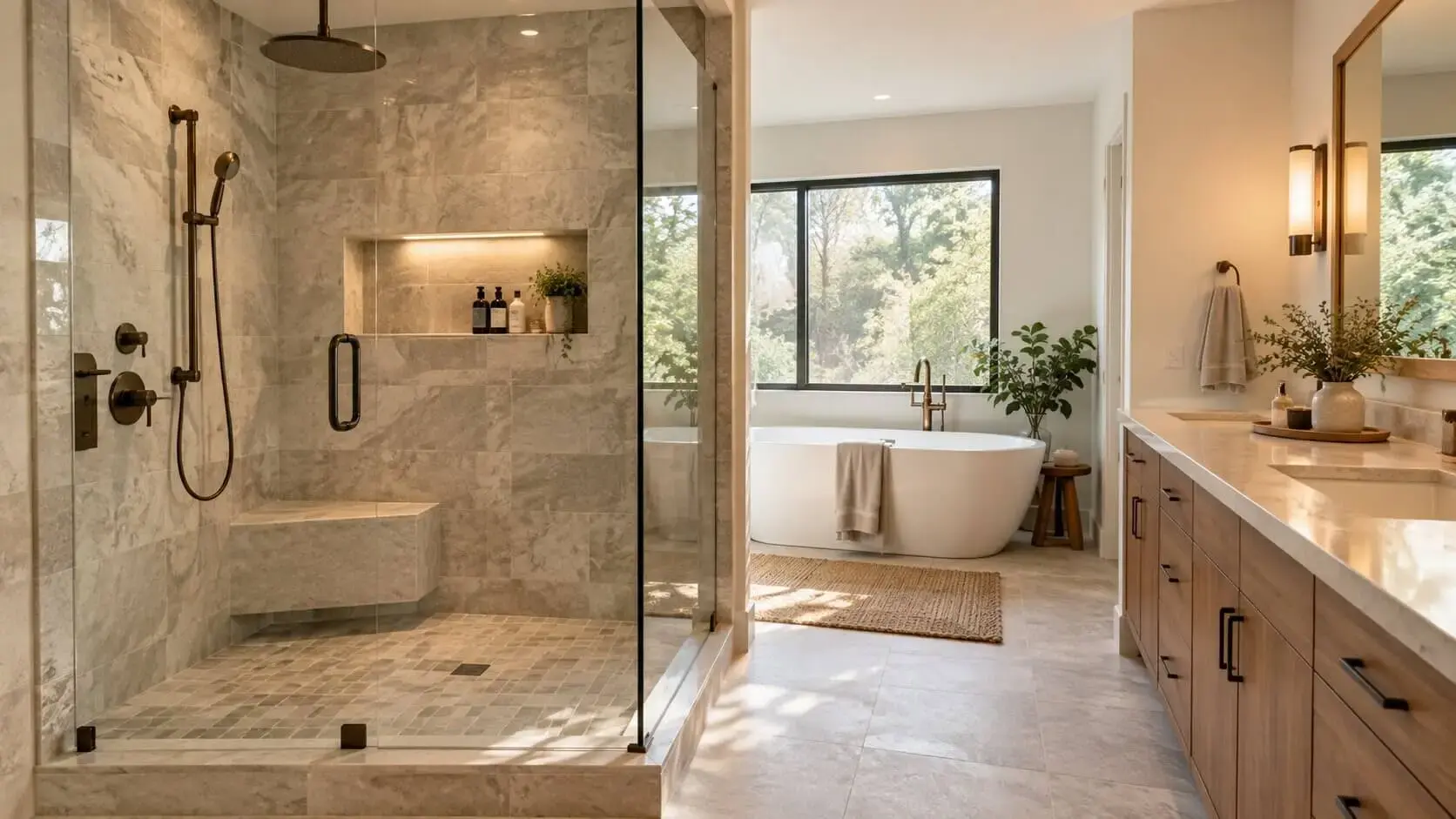
1. Freestanding Bathtub
A freestanding bathtub sits independently rather than being enclosed by walls or built into a surrounding deck. Its sculptural appearance can make it the centerpiece of a bathroom, particularly in spacious primary bathrooms. Freestanding tubs are available in contemporary, traditional, clawfoot, and transitional designs, making them remarkably versatile.
From a comfort perspective, many freestanding models offer generous interior space and ergonomic shapes for extended baths. They also score highly for style and resale appeal because they can give a bathroom a polished, high-end appearance. However, they usually require more open floor space and can make cleaning around the tub more demanding.
- Comfort: 5/5
- Style: 5/5
- Resale appeal: 5/5
- Best for: Statement-making bathrooms and spacious primary suites
2. Soaking Tub
A soaking tub is designed primarily for deeper immersion and relaxation. Unlike a standard bathtub, it typically provides more bathing depth, allowing you to submerge more of your body while sitting upright or reclining. This makes soaking tubs particularly appealing to homeowners who view their bathtub as a place to unwind rather than simply a functional fixture.
Soaking tubs are available in several shapes and materials, including built-in and freestanding designs. Their comfort rating is excellent, although the overall style and resale appeal depend heavily on the specific design. If relaxation is your priority, this is one of the best bathtub styles to consider.
- Comfort: 5/5
- Style: 4/5
- Resale appeal: 4/5
- Best for: Homeowners who prioritize relaxation and long baths
3. Alcove Bathtub
An alcove bathtub is installed between three walls, making it one of the most practical types of bathtubs for everyday bathrooms. Because the surrounding walls help define the installation area, alcove tubs can use floor space efficiently. Many models can also be combined with a shower, giving homeowners two bathing options in one compact area.
While an alcove tub may not have the visual impact of a freestanding model, its practicality can make it highly attractive to families and future buyers. It is also relatively straightforward to clean, especially when paired with durable wall surrounds. For smaller bathrooms or busy households, functionality can outweigh the need for a dramatic focal point.
- Comfort: 4/5
- Style: 3/5
- Resale appeal: 5/5
- Best for: Family bathrooms, smaller spaces, and tub-shower combinations
4. Drop-In Bathtub
A drop-in bathtub is installed into a framed platform or surrounding deck, with only the interior of the tub exposed. The surrounding structure can be finished with tile, stone, or another material, allowing homeowners to coordinate the tub with the rest of the bathroom. This creates plenty of opportunities for customization.
Drop-in tubs can provide excellent comfort because they are available in larger sizes and different interior configurations. The trade-off is that they generally require more construction and floor space than a standard alcove model. They are a strong choice for homeowners designing a custom bathroom where the tub surround is intended to become part of the overall architecture.
- Comfort: 4/5
- Style: 4/5
- Resale appeal: 4/5
- Best for: Custom bathroom designs and larger built-in installations
5. Corner Bathtub
Corner bathtubs are designed to fit into a corner and typically have a wider footprint than conventional rectangular tubs. Their shape can make good use of otherwise unused corner space, particularly in larger bathrooms. Some models also provide generous interior room for comfortable bathing.
The main drawback is that corner tubs can consume substantial floor space, making them less suitable for compact bathrooms. Their style can also feel more specialized than a simple alcove or freestanding tub. Although they can still work beautifully in the right setting, homeowners should consider whether the design complements current bathroom trends and the preferences of potential buyers.
- Comfort: 4/5
- Style: 3/5
- Resale appeal: 3/5
- Best for: Large bathrooms with available corner space
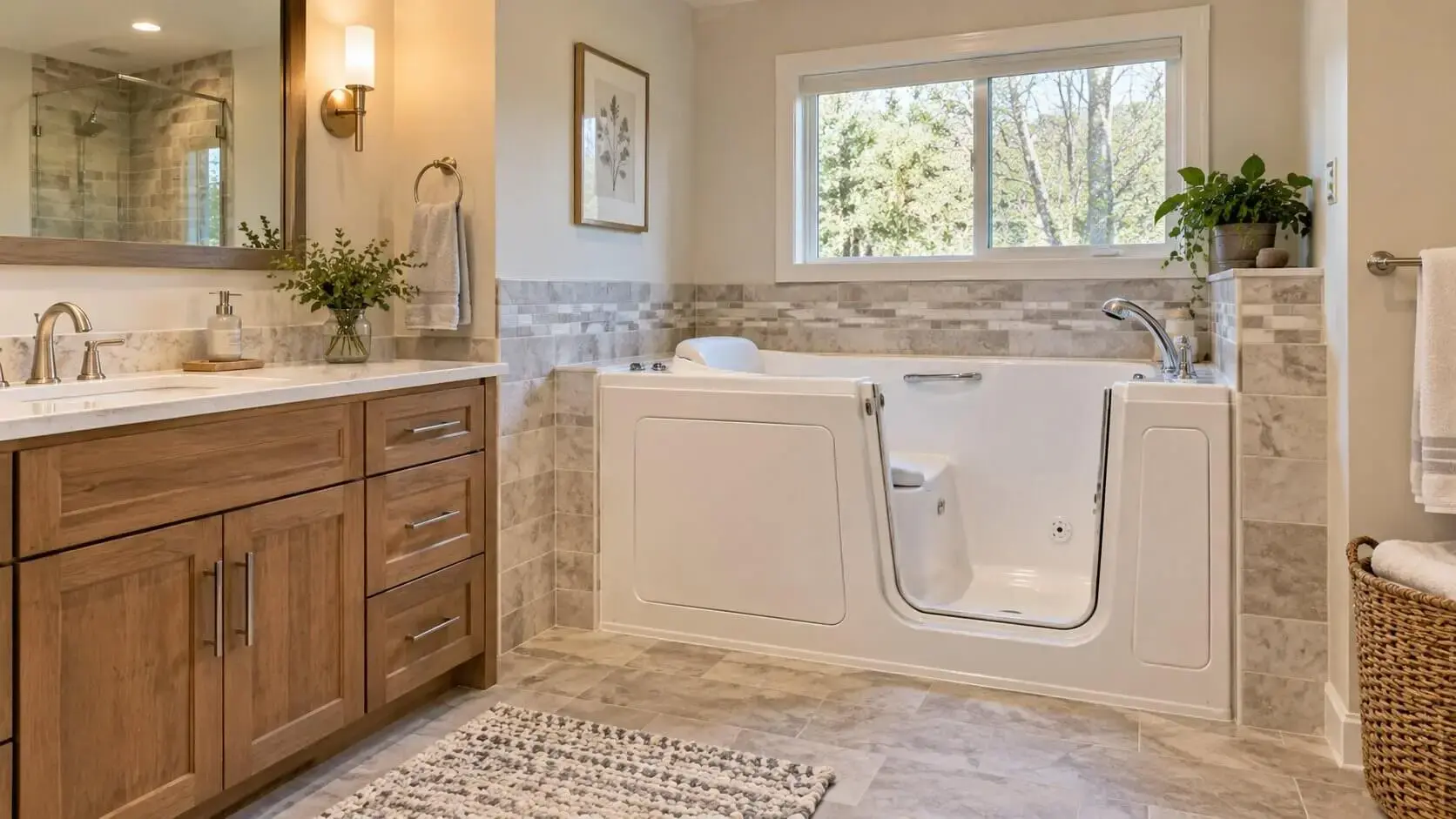
6. Walk-In Bathtub
A walk-in bathtub features a watertight door that allows users to enter without stepping over the high wall of a conventional tub. Many models include built-in seating, grab bars, textured flooring, and other accessibility-focused features. These characteristics make walk-in tubs particularly useful for aging-in-place renovations and homeowners who prioritize easier entry and exit.
Comfort can be excellent once inside, although the bathing experience differs from traditional tubs because users generally sit upright. Resale appeal is more specialized because accessibility features may be extremely valuable to some buyers but unnecessary for others. For the right household, however, the practical benefits can far outweigh broader market considerations.
- Comfort: 4/5
- Style: 3/5
- Resale appeal: 3/5
- Best for: Accessibility-focused bathrooms and aging-in-place projects
7. Japanese-Style Soaking Tub
Japanese-style soaking tubs, often inspired by traditional ofuro bathing, are designed around deep immersion rather than reclining. Their upright seating position allows the bather to sit deeply in the water, creating a relaxing and spa-like experience. Despite their depth, some models have a relatively compact footprint, which can be useful when floor space is limited.
These tubs can introduce a distinctive design element to contemporary and spa-inspired bathrooms. Their specialized appearance may not appeal to every buyer, but homeowners who value relaxation and unique design may find them especially attractive. They are among the strongest options when bathing comfort is the primary goal.
- Comfort: 5/5
- Style: 4/5
- Resale appeal: 4/5
- Best for: Spa-inspired bathrooms and deep soaking experiences
Bathtub Styles Ranked at a Glance
The following comparison makes it easier to see how these seven options perform across the main criteria:
| Bathtub Style | Comfort | Style | Resale Appeal | Best For |
| Freestanding | 5/5 | 5/5 | 5/5 | Statement bathrooms |
| Soaking | 5/5 | 4/5 | 4/5 | Relaxation |
| Alcove | 4/5 | 3/5 | 5/5 | Family bathrooms |
| Drop-In | 4/5 | 4/5 | 4/5 | Custom designs |
| Corner | 4/5 | 3/5 | 3/5 | Larger bathrooms |
| Walk-In | 4/5 | 3/5 | 3/5 | Accessibility |
| Japanese-Style Soaking | 5/5 | 4/5 | 4/5 | Spa-inspired spaces |
These ratings are a useful starting point, but there is no universal winner for every home. A freestanding tub may be ideal for a spacious primary bathroom, while an alcove tub could be the smarter choice when functionality and space efficiency matter most.
How to Choose the Best Bathtub Style for Your Bathroom
Before choosing from the many available bathtub styles, look at how the tub will actually function in your bathroom. Measuring the available floor area is essential, but you should also consider door clearance, surrounding fixtures, plumbing locations, and how much space you need to move comfortably.
Your bathing habits should influence the decision as well. Consider these factors before making a purchase:
- Available space: Make sure the tub leaves enough room for comfortable movement.
- Tub and shower needs: An alcove model may be more practical if you need both.
- Bathing habits: Choose deeper designs if long, relaxing baths are important to you.
- Bathroom style: Match the tub with your cabinets, flooring, fixtures, and other finishes.
- Maintenance: Consider how easily you can clean around and underneath the tub.
- Installation: Account for plumbing, structural requirements, and the complexity of installation.
- Future plans: If resale matters, consider designs that offer broad appeal and everyday functionality.
Thinking through these points can prevent a common remodeling mistake: choosing a bathtub based entirely on appearance and discovering later that it does not work well with the room.
Do Bathtub Styles Affect Home Resale Value?
A bathtub can influence how buyers perceive a bathroom, but it is rarely the only factor determining resale value. Buyers are more likely to respond positively to a bathroom that feels cohesive, functional, clean, and appropriately designed for the home. An attractive bathtub can contribute to that impression, particularly when it works naturally with the surrounding finishes.
Freestanding tubs often create strong visual impact, while versatile options such as alcove tubs can appeal to a broader range of households. Highly specialized features may have narrower appeal, so homeowners planning to sell should avoid sacrificing functionality simply to follow a trend. Ultimately, a thoughtfully designed bathroom is generally more valuable than an expensive tub that does not suit the space.
Final Verdict: Which Bathtub Style Is Best?
There is no single answer because the best bathtub depends on what you value most. Based on the criteria in this guide, the following options stand out:
- Best overall: Freestanding bathtub
- Best for comfort: Soaking tub or Japanese-style soaking tub
- Best for practicality: Alcove bathtub
- Best for custom design: Drop-in bathtub
- Best for accessibility: Walk-in bathtub
- Best for larger bathrooms: Corner bathtub
When comparing bathtub styles, focus on the complete picture rather than one feature. The right tub should provide the comfort you want, fit the available space, complement your bathroom design, and make sense for your long-term plans. A practical choice today can also help ensure your bathroom remains functional and appealing for years to come.
Frequently Asked Questions About Bathtub Styles
1. What are the most popular bathtub styles?
A. Freestanding, alcove, soaking, drop-in, corner, and walk-in tubs are among the most common options. The best choice depends on your available space, design preferences, bathing habits, and budget.
2. Which bathtub style is the most comfortable?
A. Soaking tubs and Japanese-style soaking tubs are excellent choices for comfort because their deeper designs allow for greater immersion. The most comfortable option ultimately depends on your preferred seating position and tub dimensions.
3. Is a freestanding bathtub good for resale value?
A. Yes, a well-chosen freestanding tub can increase a bathroom’s visual appeal and create a luxurious focal point. Its value is strongest when it fits the room’s layout and does not compromise practical functionality.
4. What type of bathtub is best for a small bathroom?
A. An alcove bathtub is often one of the most practical options for a small bathroom because it fits between three walls and can be combined with a shower. This makes efficient use of limited floor space.
5. How do I choose the best bathtub style for my bathroom?
A. Start by considering your bathroom’s dimensions, bathing habits, desired comfort, design style, installation requirements, and future resale goals. The best bathtub balances appearance with everyday practicality.
Conclusion
Choosing the right bathtub is ultimately about finding the balance between comfort, style, practicality, and long-term value. Freestanding tubs make impressive focal points, soaking tubs prioritize relaxation, alcove models maximize functionality, and specialized options such as walk-in or Japanese-style tubs address specific needs.
Take the time to evaluate your bathroom layout and how you actually plan to use the space. With the right approach, your chosen bathtub can become more than a functional fixture; it can be an important part of a comfortable, attractive, and lasting bathroom design.

- 6 Bathroom Tile Materials Ranked for Wet Areas - September 30, 2026
- 8 Bathroom Remodel Mistakes That Waste Money and Where to Put It Instead - September 30, 2026
- Are Walk-In Tubs Still Worth Choosing for a Bathroom Remodel - September 30, 2026