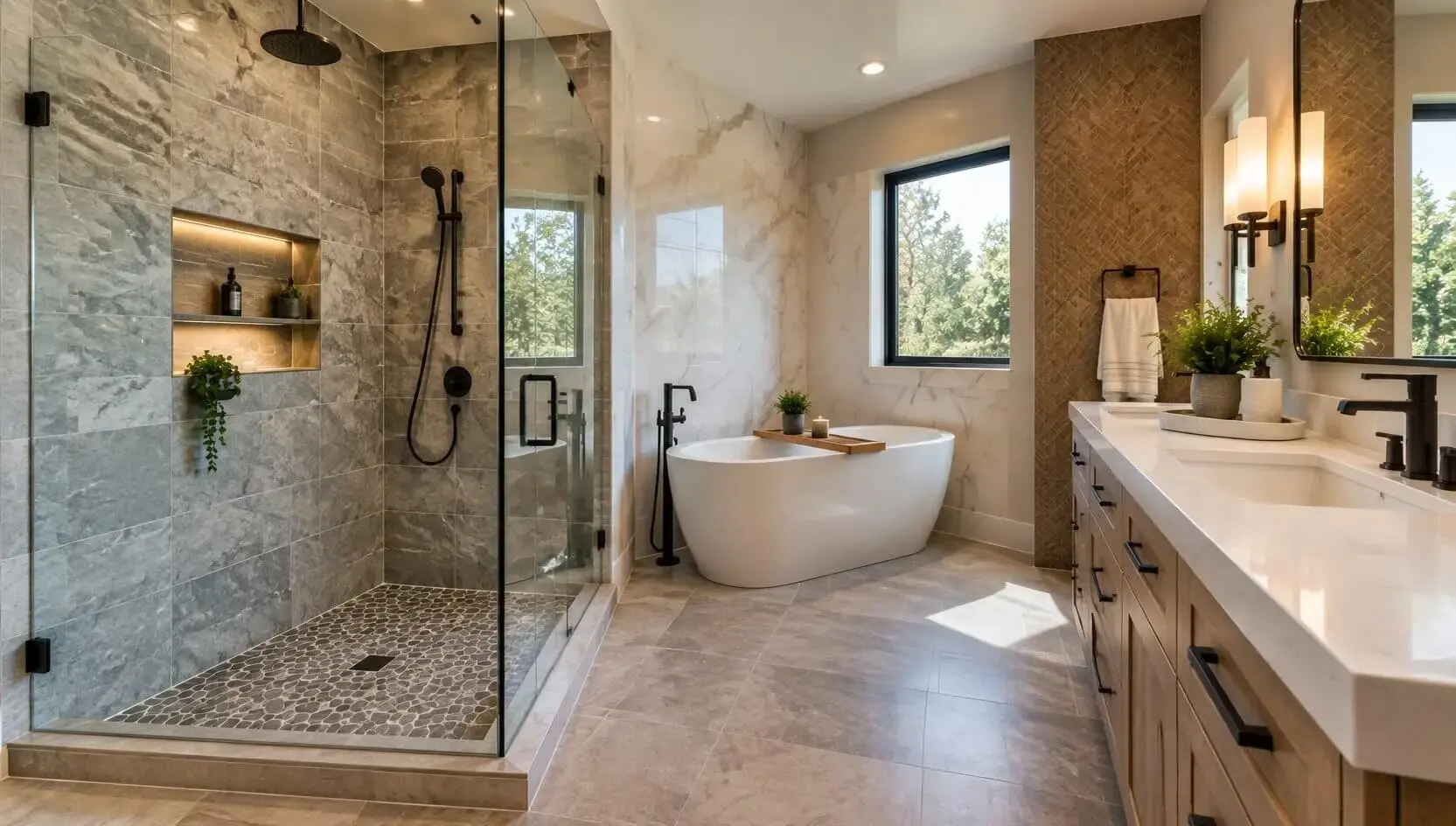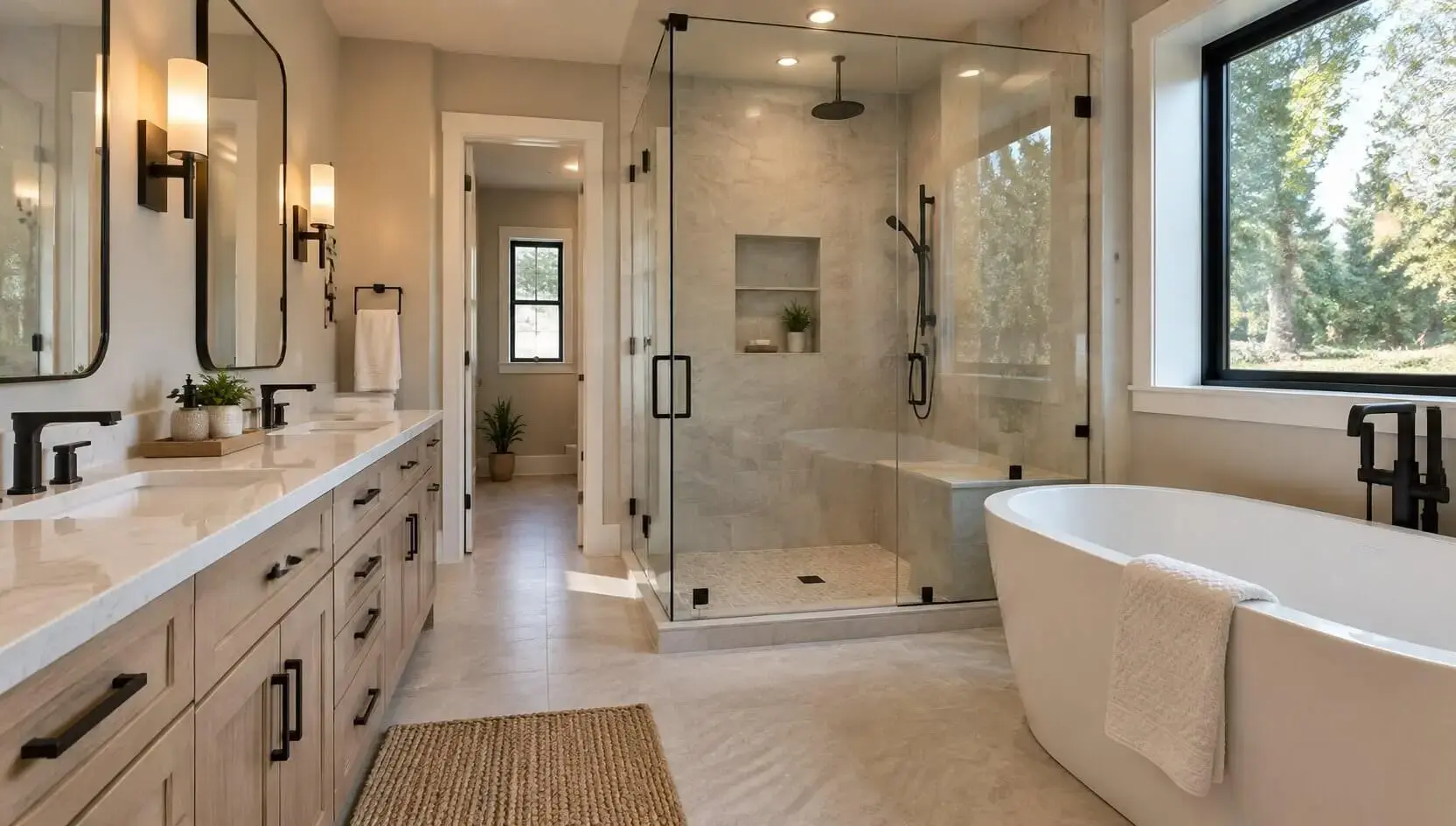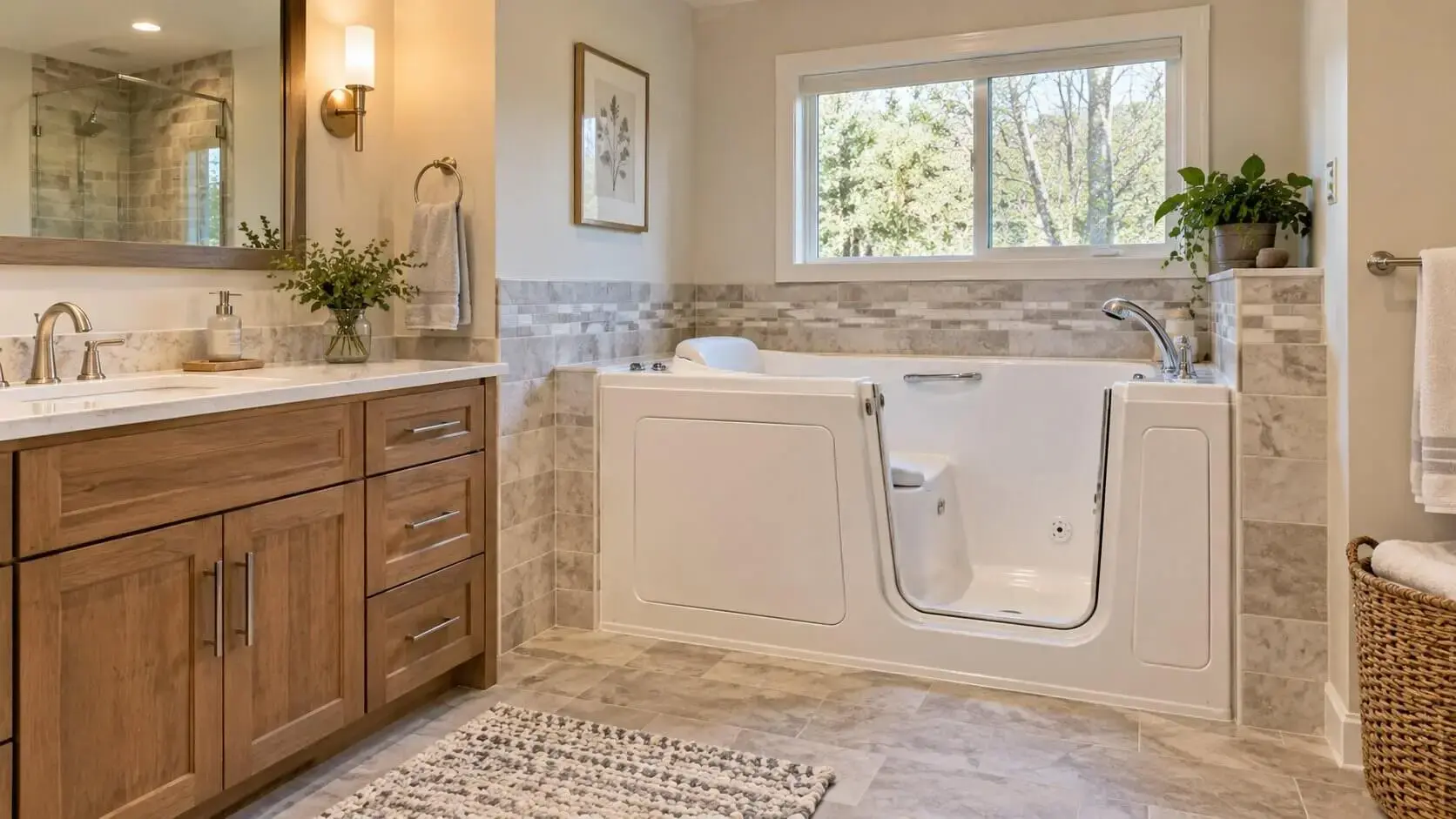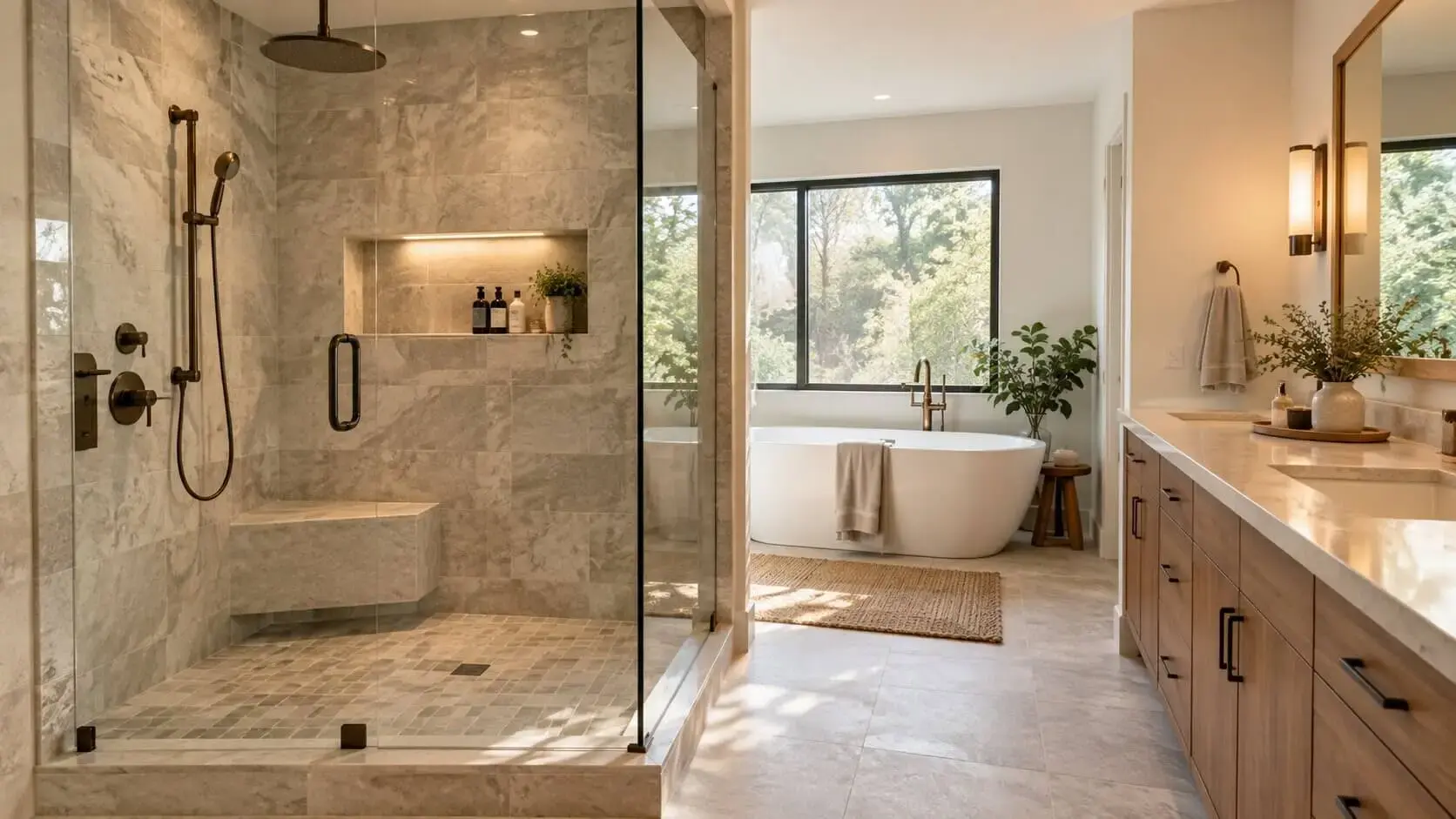
Choosing the right ceramic tiles is one of the most important decisions you’ll make during a bathroom renovation. Tiles influence the overall appearance of the space while also affecting safety, durability, and long-term maintenance. A beautiful bathroom should not only look impressive on the day it is completed but also continue performing well for years.
If you’re wondering how to choose ceramic tiles for bathroom renovation, it’s essential to look beyond colors and patterns. Factors such as tile finish, slip resistance, size, installation area, and maintenance all play an important role. This guide walks you through everything you need to know so you can confidently select ceramic tiles that combine style, functionality, and lasting value.
Why Ceramic Tiles Are a Popular Choice for Bathroom Renovations
Ceramic tiles remain one of the most popular bathroom materials because they offer an excellent balance of affordability, durability, and design flexibility. They are available in countless colors, textures, sizes, and patterns, making it easy to match almost any bathroom style, from modern minimalism to classic elegance.
Another major advantage is their resistance to moisture. Bathrooms experience constant exposure to humidity and water, and ceramic tiles perform exceptionally well when properly installed. Compared to materials like hardwood or wallpaper, ceramic tiles require less maintenance, resist stains, and provide long-lasting performance, making them a smart investment for homeowners.
Understand Where the Tiles Will Be Installed
Before selecting a tile, consider exactly where it will be used. Different areas of the bathroom experience different levels of moisture and foot traffic, so choosing the right tile for each location is essential.
Floor Tiles vs. Wall Tiles
Although they may appear similar, floor and wall tiles are designed for different purposes. Floor tiles are generally thicker and stronger because they must withstand regular foot traffic and support weight. They also feature surfaces that provide better grip to reduce slipping.
Wall tiles, on the other hand, are typically lighter and easier to install vertically. They prioritize appearance over strength and often come in decorative finishes that help create attractive feature walls or shower surrounds.
Wet Areas vs. Dry Areas
Not every part of the bathroom is exposed to the same amount of water. Shower floors and shower walls require highly water resistant ceramic tiles that can handle constant moisture without deteriorating. Bathroom floors also need durable surfaces that dry quickly and remain safe under wet conditions.
Areas such as vanity walls or decorative accent walls experience much less water exposure. In these locations, homeowners have greater flexibility in choosing finishes and decorative designs while still maintaining a cohesive appearance throughout the bathroom.
Choose the Right Tile Finish
The finish you choose affects both the appearance and practicality of your bathroom. Each finish offers unique advantages depending on where it will be installed.
Glossy Ceramic Tiles
Glossy ceramic tiles are widely used on bathroom walls because they reflect light and make smaller spaces appear brighter and more spacious. Their smooth surface also makes them easy to wipe clean, helping maintain a polished appearance with minimal effort.
These tiles work particularly well behind vanities, on shower walls, and as decorative feature walls. However, they are generally not recommended for bathroom floors because they can become slippery when wet.
Matte and Unglazed Ceramic Tiles
Matte and unglazed ceramic tiles provide a softer, more natural appearance that complements many contemporary bathroom designs. Their textured surfaces offer better traction than glossy finishes, making them a safer option for flooring.
These finishes also help hide water spots, footprints, and minor dirt between cleanings. They are an excellent choice for bathroom floors, especially in homes where safety and everyday practicality are priorities.
Textured Tiles for Better Safety
Textured ceramic tiles provide additional grip, making them ideal for wet environments where slipping is more likely. Shower floors, bathroom entrances, and family bathrooms often benefit from these surfaces.
Modern textured tiles are available in attractive designs that don’t compromise style. They allow homeowners to achieve both visual appeal and improved functionality without sacrificing comfort.
Prioritize Slip Resistance for Bathroom Safety
Bathroom floors become slippery quickly when exposed to water, soap, and shampoo. Choosing slip resistant ceramic tiles significantly reduces the risk of accidents, particularly in frequently used bathrooms.
When shopping for tiles, look for products specifically rated for floor use and suitable for wet environments. Manufacturers often provide slip resistance ratings or recommend appropriate installation areas.
For households with children or older adults, consider combining textured floor tiles with quality bath mats and proper drainage. These simple measures create a much safer bathroom environment without affecting the overall design.
Select the Best Tile Size for Your Bathroom
Tile size plays an important role in both aesthetics and functionality. The right dimensions can make a room feel larger, simplify maintenance, and create a more balanced design.
Small Bathrooms
Contrary to popular belief, larger tiles often work well in compact bathrooms. Because they create fewer grout lines, the floor appears less busy and more spacious.
Large-format tiles also simplify cleaning since there are fewer grout joints to maintain. Choosing light-colored tiles further enhances the sense of openness in smaller spaces.
Large Bathrooms
Larger bathrooms offer much greater design flexibility. Homeowners can choose oversized tiles for a seamless appearance or combine multiple tile sizes to create visual interest.
Mixing formats, such as large floor tiles with smaller wall accents, can add depth while maintaining a coordinated design. Careful planning ensures the different tile sizes complement rather than compete with one another.
Mosaic Tiles
Mosaic tiles are perfect for areas that require additional grip or decorative detail. Their numerous grout lines naturally improve traction, making them a popular choice for shower floors.
They also work beautifully as accent walls, decorative borders, or recessed shower niches. Used sparingly, mosaic tiles add personality without overwhelming the overall design.
Pick Colors and Patterns That Match Your Style
The color and pattern of your ceramic tiles establish the mood of the bathroom. While trends change over time, choosing a design that reflects your personal style ensures lasting satisfaction.
Neutral and Minimalist Designs
Neutral colors such as white, beige, gray, and soft earth tones remain timeless choices. These shades create a clean, calming atmosphere while making bathrooms feel brighter and more spacious.
Minimalist designs also provide flexibility when updating fixtures or accessories in the future. Since neutral tiles rarely go out of style, they continue adding value for many years.
Bold Colors and Statement Features
Bold colors can create memorable focal points when used strategically. Deep blues, forest greens, black tiles, or patterned ceramics work particularly well on feature walls or shower surrounds.
To avoid overwhelming the space, balance these dramatic elements with neutral flooring, cabinetry, or countertops. This creates visual interest while maintaining a harmonious overall design.
Trending Modern Bathroom Tile Patterns
Modern bathroom tile patterns continue evolving, giving homeowners numerous creative options. Popular layouts include herringbone, stacked vertical, offset brick, geometric arrangements, and straight stacked installations.
The installation pattern often has just as much visual impact as the tile itself. Even simple ceramic tiles can achieve a sophisticated appearance when arranged in an eye-catching layout.
Consider Durability and Long-Term Maintenance
One reason ceramic tiles remain so popular is their impressive longevity. Quality ceramic tiles resist stains, scratches, and moisture, allowing them to maintain their appearance despite years of daily use.
Routine cleaning is usually straightforward with mild cleaners and regular wiping. While the tiles themselves require minimal maintenance, grout deserves equal attention. Sealing grout when recommended and cleaning it regularly helps prevent discoloration, mold growth, and moisture penetration.
Common Mistakes to Avoid When Choosing Ceramic Bathroom Tiles
Many homeowners focus primarily on appearance without considering practical performance. Avoiding a few common mistakes can save money and prevent disappointment after installation.
Some of the most common mistakes include:
- Choosing glossy floor tiles that become slippery when wet.
- Ignoring slip resistance ratings.
- Selecting decorative wall tiles for flooring applications.
- Overlooking grout color, which affects cleaning and maintenance.
- Mixing too many colors, textures, or patterns in one small space.
Taking time to evaluate both style and functionality results in a bathroom that performs as well as it looks.
Limited-Time Offer
Upgrade Your Bathroom for Less!
-
✓
Family-owned in L.A. since 1985 -
✓
$0 Down Payment / 0% Interest for 1 Year -
✓
Long-Term Financing Starting at 9.99%
📞Call Us Today: (888) 389-9955
Tips for Making the Right Tile Choice
Making the final decision becomes much easier when you consider the entire bathroom rather than individual tiles. Good planning helps create a balanced design that remains attractive for years.
Keep these practical tips in mind before purchasing:
- Match tile colors with your bathroom’s natural and artificial lighting.
- Request physical tile samples before making a final decision.
- Set a realistic renovation budget that includes installation materials.
- Coordinate tile selections with cabinetry, countertops, fixtures, and paint colors.
- Prioritize long-term durability over short-lived design trends.
These simple steps help ensure your renovation delivers both immediate satisfaction and lasting value.
FAQs
Are ceramic tiles suitable for bathroom floors?
Yes. Ceramic tiles are an excellent choice for bathroom floors when you select products specifically designed for floor applications. Choosing tiles with good slip resistance and proper installation ensures both durability and safety.
What is the difference between glazed and unglazed ceramic tiles?
Glazed ceramic tiles have a protective surface coating that offers a glossy or decorative finish and makes cleaning easier. Unglazed ceramic tiles have a more natural appearance and generally provide better traction, making them ideal for bathroom floors and other wet areas.
Which ceramic tile finish is easiest to maintain?
Glossy ceramic tiles are typically the easiest to wipe clean because their smooth surface resists dirt and stains. Matte and textured finishes may require slightly more attention, but they do a better job of hiding water spots and provide improved slip resistance.
What size ceramic tile makes a small bathroom look bigger?
Large-format ceramic tiles often make small bathrooms appear more spacious because they reduce the number of visible grout lines. Pairing larger tiles with light colors creates a clean, open, and uncluttered appearance.
How long do ceramic bathroom tiles typically last?
High-quality ceramic bathroom tiles can last 20 to 50 years or even longer with proper installation and regular maintenance. Keeping grout clean and repairing damaged sections promptly helps maximize their lifespan.
Conclusion
Learning how to choose ceramic tiles for bathroom renovation involves much more than selecting an attractive color. The best tile combines visual appeal with durability, moisture resistance, easy maintenance, and reliable slip resistance. Every decision, from tile finish to size and installation location, contributes to the bathroom’s long-term performance.
By carefully evaluating your bathroom’s layout, lifestyle needs, and design preferences, you can confidently select ceramic tiles that enhance both beauty and functionality. A thoughtful approach today will reward you with a bathroom that remains stylish, safe, and easy to maintain for many years.

- 6 Bathroom Tile Materials Ranked for Wet Areas - September 30, 2026
- 8 Bathroom Remodel Mistakes That Waste Money and Where to Put It Instead - September 30, 2026
- Are Walk-In Tubs Still Worth Choosing for a Bathroom Remodel - September 30, 2026