A bathroom renovation is one of the most rewarding home improvement projects, but it also requires thoughtful preparation. Taking the time to develop a clear plan helps you avoid unnecessary expenses, costly delays, and design decisions you may regret later. Whether you’re updating a guest bathroom or transforming a primary suite, careful planning ensures every element works together.
Modern minimalist bathrooms continue to grow in popularity because they combine clean aesthetics with everyday functionality. Homeowners appreciate uncluttered spaces, durable materials, and timeless finishes that remain stylish for years. If you’re wondering how to plan a bathroom renovation, focusing on layout, storage, budget, and quality materials from the beginning will help you create a space that is both beautiful and practical.
Start With a Clear Vision for Your Bathroom Renovation
Before choosing tiles or fixtures, determine exactly what you want your renovation to accomplish. Having a clear vision makes every decision easier throughout the project and reduces the chances of expensive changes later.
Define Your Goals
Every renovation begins with a purpose. Some homeowners want to improve daily functionality, while others hope to increase property value or replace outdated finishes. Your priorities will influence everything from layout decisions to fixture selection.
Consider questions such as:
- Is storage currently inadequate?
- Do you need better accessibility?
- Are you hoping to create a relaxing spa-like atmosphere?
- Will this renovation improve resale value?
Answering these questions provides direction before construction begins.
Gather Bathroom Remodel Ideas
Collecting bathroom remodel ideas helps you identify the style that best fits your home and lifestyle. Browse design websites, renovation galleries, Pinterest boards, and manufacturer showrooms to discover layouts, color schemes, and fixtures that appeal to you.
As you save inspiration, you’ll likely notice recurring themes such as floating vanities, frameless glass showers, neutral color palettes, or large-format tiles. These patterns help refine your vision while preventing impulse decisions during the renovation process.
Establish a Realistic Bathroom Renovation Budget
A well-planned budget keeps your renovation on track and reduces financial surprises. Rather than focusing only on the visible finishes, account for every stage of the project.
Understand Typical Bathroom Renovation Cost
Your bathroom renovation cost depends on several factors, including bathroom size, material quality, labor rates, and whether plumbing or electrical systems require relocation.
Typical expenses include:
| Cost Category | Examples |
| Labor | Demolition, installation, finishing |
| Fixtures | Toilets, sinks, faucets, showers |
| Tile | Flooring, walls, backsplashes |
| Plumbing | Pipe relocation, valve replacement |
| Electrical | Lighting, outlets, ventilation |
| Contingency | Unexpected repairs behind walls |
Many professionals recommend setting aside an additional 10 to 20 percent of your budget for unforeseen issues that often appear once demolition begins.
Decide Where to Save and Where to Invest
Not every part of a renovation deserves the same investment. Spending more on waterproofing, quality plumbing fixtures, and durable countertops often delivers long-term value through reduced maintenance and longer product life.
Decorative accessories, mirrors, towel bars, and some hardware can usually be upgraded later without major construction. Prioritizing structural quality over decorative trends creates better long-term results.
Focus on Smart Bathroom Layout Planning
An attractive bathroom still needs to function efficiently. That’s why bathroom layout planning should happen before selecting finishes or fixtures.
Evaluate Your Existing Layout
Start by examining how well your current bathroom works. Consider plumbing locations, traffic flow, door clearance, storage accessibility, and the placement of major fixtures. Keeping plumbing in its existing location often reduces renovation costs significantly. However, if the current layout creates daily inconvenience, relocating fixtures may be worthwhile.
When Does Changing the Layout Make Sense?
Changing the layout becomes beneficial when it solves major functional problems. Expanding a shower, adding a double vanity, increasing storage, or improving accessibility may justify the additional expense.
Working with an experienced bathroom remodeling contractor can help determine whether layout changes provide enough practical value to offset the higher construction costs.
Choose a Modern Bathroom Design That Will Age Well
Trendy bathrooms can quickly feel outdated. Instead, focus on a modern bathroom design built around timeless principles that remain attractive for years.
Characteristics of Modern Minimalist Bathrooms
Minimalist bathrooms emphasize simplicity without sacrificing comfort. Clean lines, uncluttered surfaces, and carefully selected materials create a calm, spacious atmosphere.
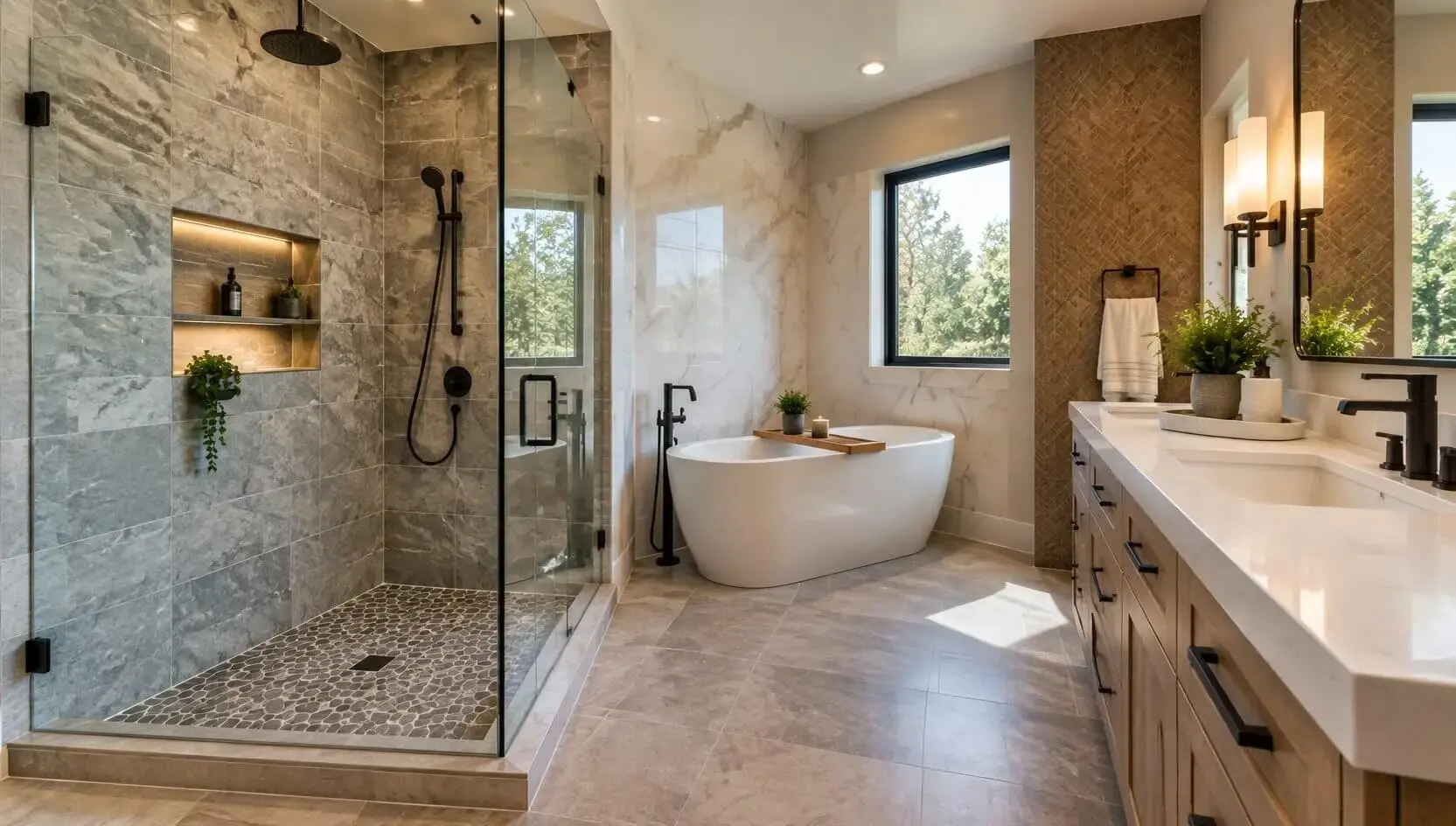
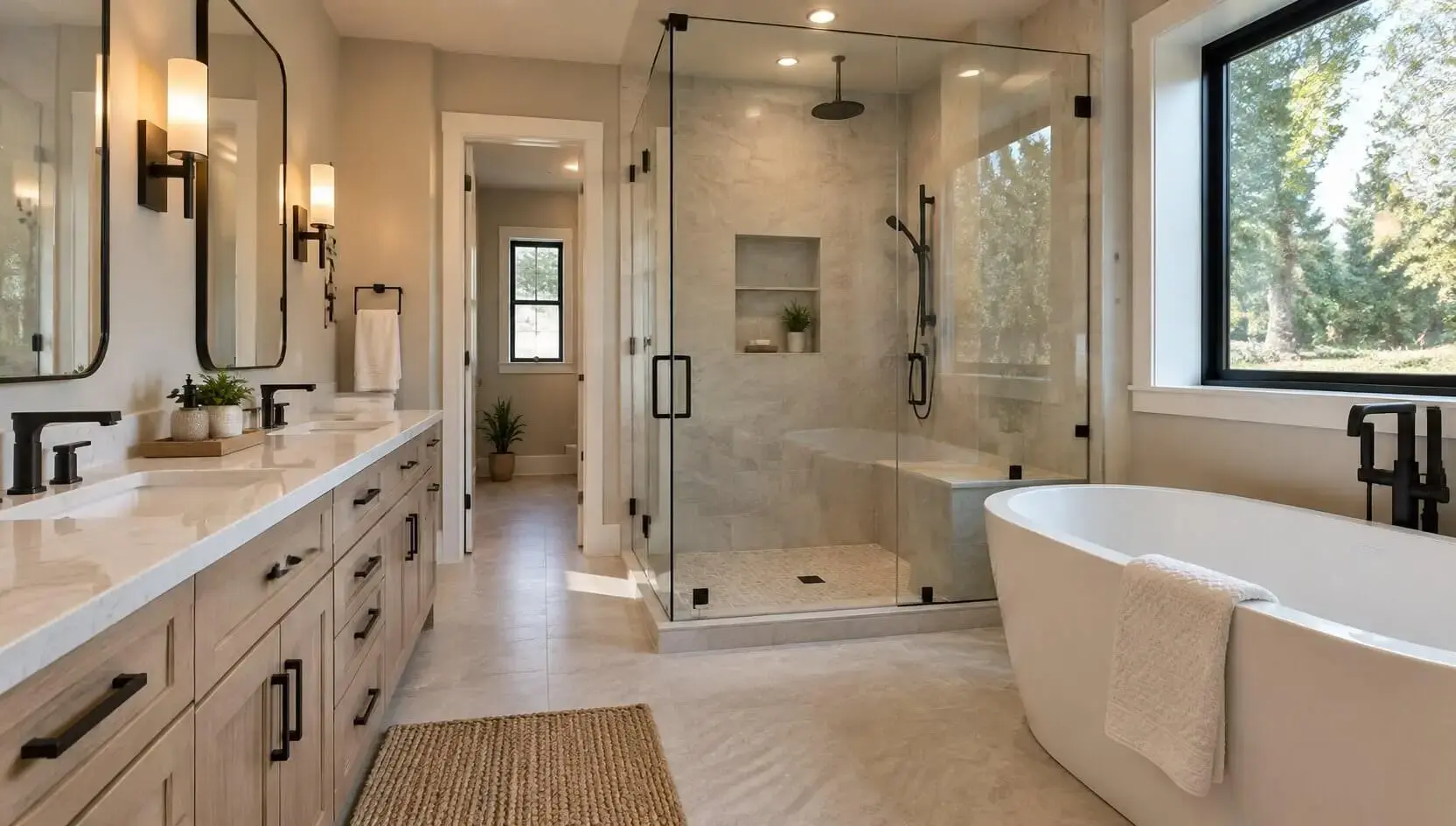
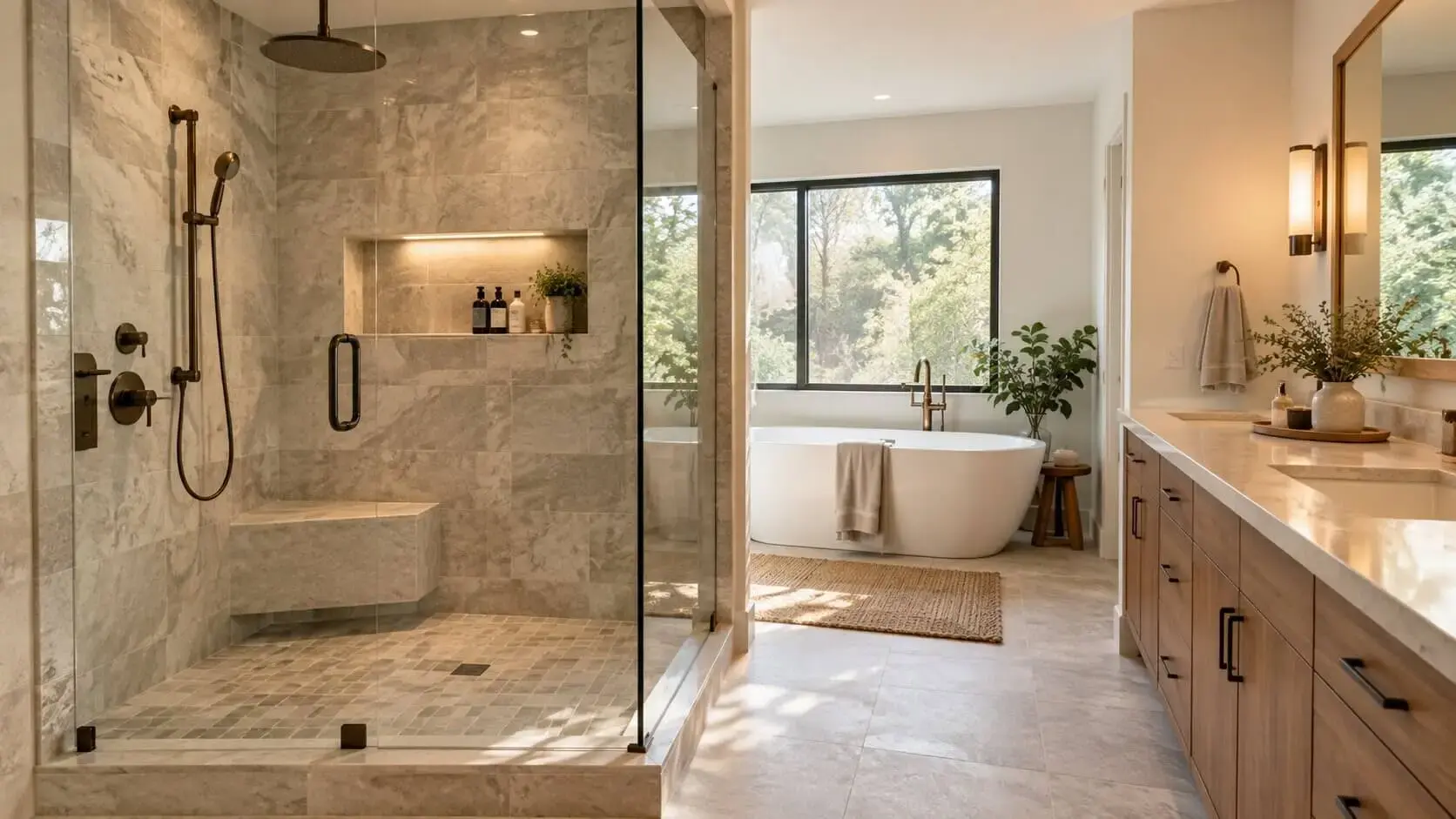
Popular design features include floating vanities, frameless glass shower enclosures, wall-mounted fixtures, integrated storage, and streamlined hardware. Every element serves both a functional and visual purpose.
Timeless Color Palettes
Neutral colors provide flexibility while creating a bright and welcoming environment. White remains a classic choice, while soft gray, beige, and warm natural wood tones introduce subtle warmth.
Matte black hardware offers tasteful contrast without overwhelming the design. Because neutral palettes are versatile, they also make future updates easier if your style preferences change.
Select Durable and Waterproof Bathroom Materials
Bathrooms experience constant exposure to moisture, making material selection especially important. Choosing quality waterproof bathroom materials help protect your investment and reduce future maintenance.
Flooring Options
Porcelain tile remains one of the most popular flooring choices because it is highly water-resistant, durable, and available in countless styles. Natural stone offers premium beauty but requires periodic sealing to maintain its appearance.
Luxury vinyl flooring has also become increasingly popular thanks to its water resistance, comfortable feel underfoot, and relatively affordable price.
Wall Finishes
Large-format tiles reduce grout lines, making cleaning easier while creating a seamless appearance. Waterproof wall panels provide another low-maintenance option for shower surrounds.
Moisture-resistant paint works well for walls outside wet areas when combined with proper ventilation and high-quality primers designed for humid environments.
Countertops and Cabinet Materials
Quartz countertops resist stains, moisture, and scratches while requiring very little maintenance. Solid surface materials provide another durable option for busy households. For cabinetry, choose moisture-resistant construction with quality finishes that withstand everyday humidity. Proper installation also helps extend cabinet lifespan.
Industry organizations such as the National Kitchen & Bath Association (NKBA) recommend selecting durable materials specifically designed for wet environments to maximize long-term performance.
Maximize Storage Without Creating Clutter
Minimalist bathrooms succeed because everything has its place. Smart storage keeps everyday essentials accessible while maintaining clean countertops. Floating vanities provide useful storage while making floors easier to clean. Recessed medicine cabinets add concealed storage without extending into the room, while built-in shower niches eliminate bulky wire shelves inside the shower.
Vertical storage cabinets, wall shelving, and hidden organizers maximize every inch of available space. The goal is to reduce visual clutter while improving everyday convenience.
Plan Bathroom Lighting for Both Style and Function
Lighting dramatically influences how your bathroom looks and feels. The best bathroom lighting ideas combine aesthetics with practical illumination for grooming, cleaning, and relaxation.
Layer Your Lighting
Rather than relying on a single ceiling fixture, combine multiple lighting types throughout the room.
- Ambient lighting provides overall illumination.
- Task lighting brightens mirrors and vanities.
- Accent lighting highlights architectural features or decorative niches.
Layered lighting creates flexibility while making the bathroom more comfortable throughout the day.
Best Fixture Choices for Modern Bathrooms
LED mirrors offer even facial lighting while adding a contemporary appearance. Vanity sconces placed on each side of the mirror reduce shadows more effectively than overhead lighting alone. Recessed ceiling lights maintain clean sightlines, while dimmable fixtures allow you to adjust brightness depending on the time of day or desired atmosphere.
Make the Most of Natural Light
If your bathroom includes windows, maximize daylight whenever possible. Frosted glass preserves privacy while allowing sunlight to brighten the room naturally. For energy-efficient lighting recommendations, resources from ENERGY STAR® provide guidance on selecting LED fixtures that reduce energy consumption while delivering excellent performance.
Small Bathroom Design Ideas That Feel Bigger
Limited square footage doesn’t have to limit style. The right small bathroom design ideas can create the illusion of a larger, more open space. Large-format tiles minimize grout lines and visually expand the room. Floating toilets and vanities expose more floor area, making the bathroom feel less crowded.
Glass shower enclosures maintain uninterrupted sightlines, while light wall colors reflect natural and artificial light. Large mirrors further enhance brightness and create a greater sense of depth.
Common Bathroom Renovation Mistakes to Avoid
Even beautiful designs can disappoint if important details are overlooked. Understanding common renovation mistakes to avoid helps prevent expensive corrections later. Poor ventilation encourages mold growth and moisture damage, while inadequate waterproofing can lead to structural repairs behind walls and floors. Choosing appearance over functionality may also create frustration during daily use.
Other common mistakes include underestimating storage needs, installing insufficient lighting, and creating unrealistic budgets that fail to account for unexpected repairs. Working with experienced professionals significantly reduces these risks.
Limited-Time Offer
Upgrade Your Bathroom for Less!
-
✓
Family-owned in L.A. since 1985 -
✓
$0 Down Payment / 0% Interest for 1 Year -
✓
Long-Term Financing Starting at 9.99%
📞Call Us Today: (888) 389-9955
Work With the Right Bathroom Renovation Professionals
A successful renovation depends as much on the contractor as the design itself. Experienced professionals coordinate plumbing, electrical work, waterproofing, tiling, and finishing to ensure every component performs properly. Before hiring a contractor, ask about licensing, insurance, previous projects, warranties, timelines, and communication processes. Reviewing references and completed work helps you feel confident in your decision.
Professional planning often saves both time and money by preventing construction errors and identifying potential challenges before work begins.
Frequently Asked Questions
1. How do I start planning a bathroom renovation?
A. Start by identifying your goals, setting a realistic budget, measuring your existing space, and collecting design inspiration. Consulting a renovation professional early can also help you avoid costly planning mistakes.
2. What is the average bathroom renovation cost?
A. The average cost varies depending on the bathroom size, material selections, labor rates, and whether plumbing or electrical systems are relocated. Creating a detailed budget with a contingency fund is recommended for every project.
3. What makes a bathroom look modern and minimalist?
A. Modern minimalist bathrooms typically feature neutral colors, clean lines, floating vanities, frameless glass showers, concealed storage, and simple fixtures. The emphasis is on functionality and uncluttered design.
4. What are the best waterproof materials for bathrooms?
A. Porcelain tile, quartz countertops, waterproof wall panels, moisture-resistant cabinetry, and luxury vinyl flooring are all excellent choices because they resist moisture while requiring relatively little maintenance.
5. How can I make a small bathroom feel larger?
A. Use large tiles, install floating fixtures, choose glass shower enclosures, maximize natural light, and incorporate large mirrors with light color palettes. These design strategies create a brighter, more spacious appearance.
Final Thoughts
Learning how to plan a bathroom renovation is about more than choosing attractive fixtures. Careful planning allows you to balance design, functionality, durability, and budget while avoiding many of the challenges that homeowners commonly face.
By focusing on smart layouts, quality waterproof materials, efficient storage, timeless design, and layered lighting, you can create a modern minimalist bathroom that remains comfortable and stylish for years to come. Before demolition begins, consider consulting experienced renovation professionals who can guide you through the planning process and help bring your vision to life with confidence.

- 6 Bathroom Tile Materials Ranked for Wet Areas - September 30, 2026
- 8 Bathroom Remodel Mistakes That Waste Money and Where to Put It Instead - September 30, 2026
- Are Walk-In Tubs Still Worth Choosing for a Bathroom Remodel - September 30, 2026