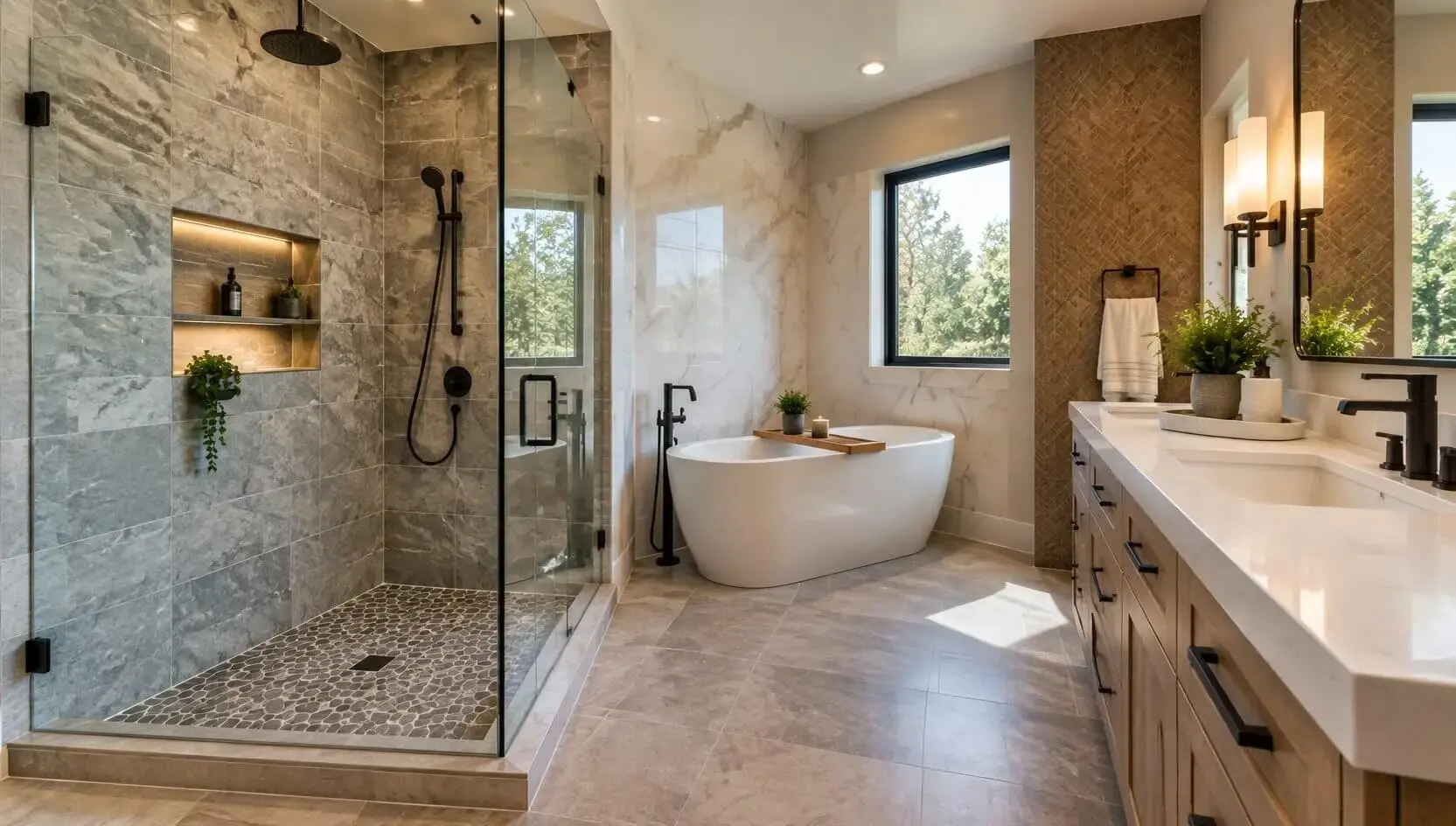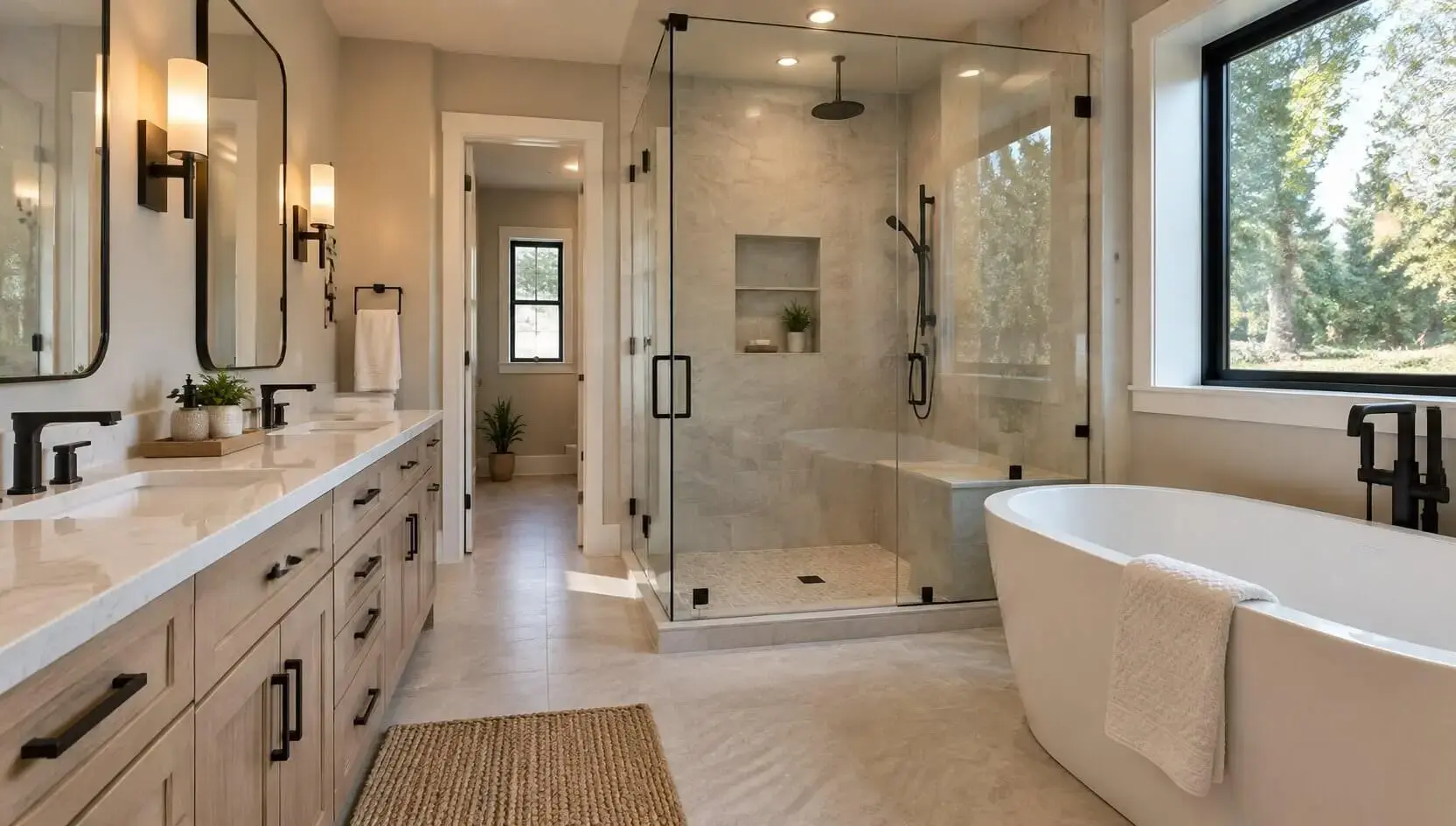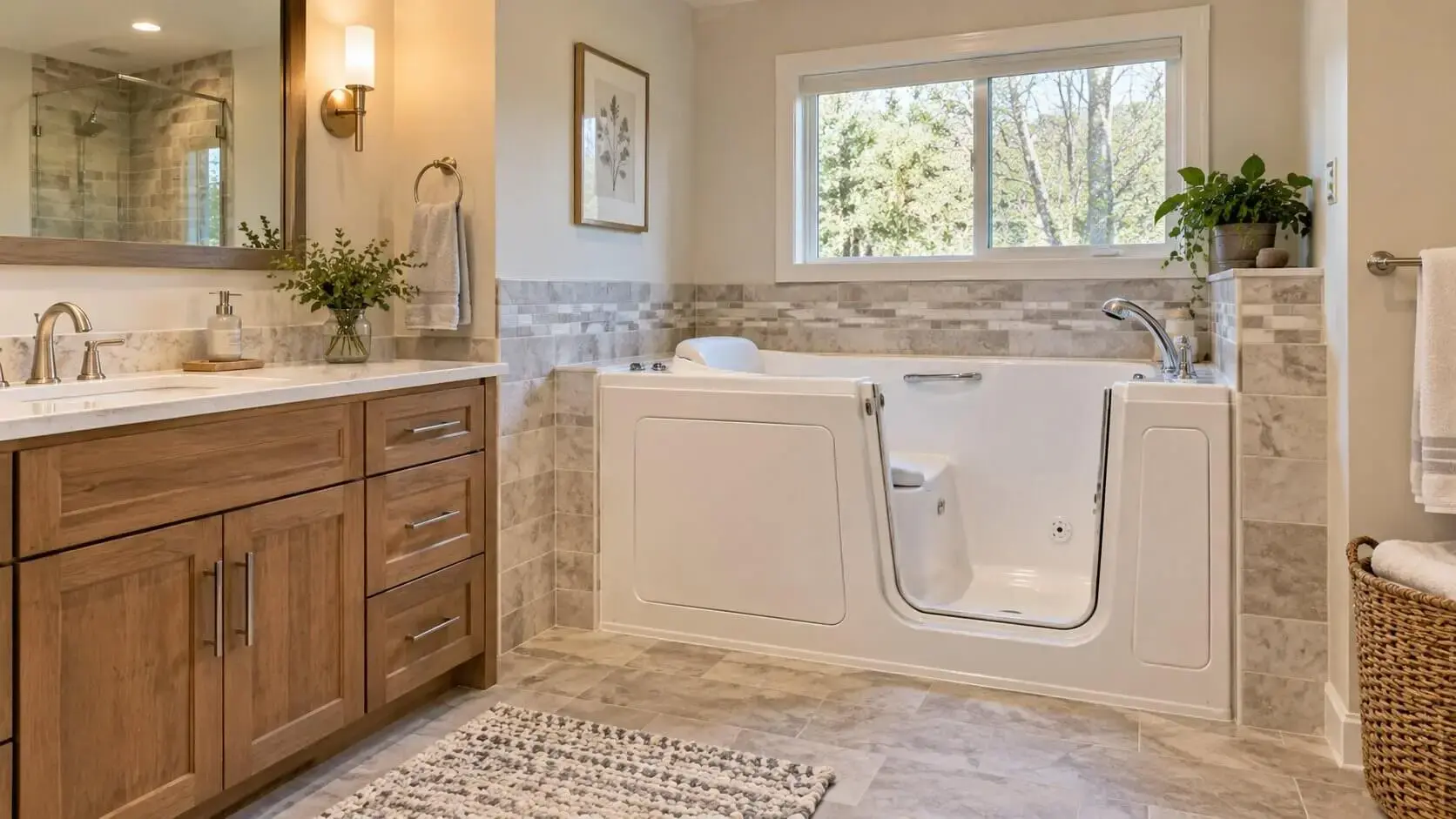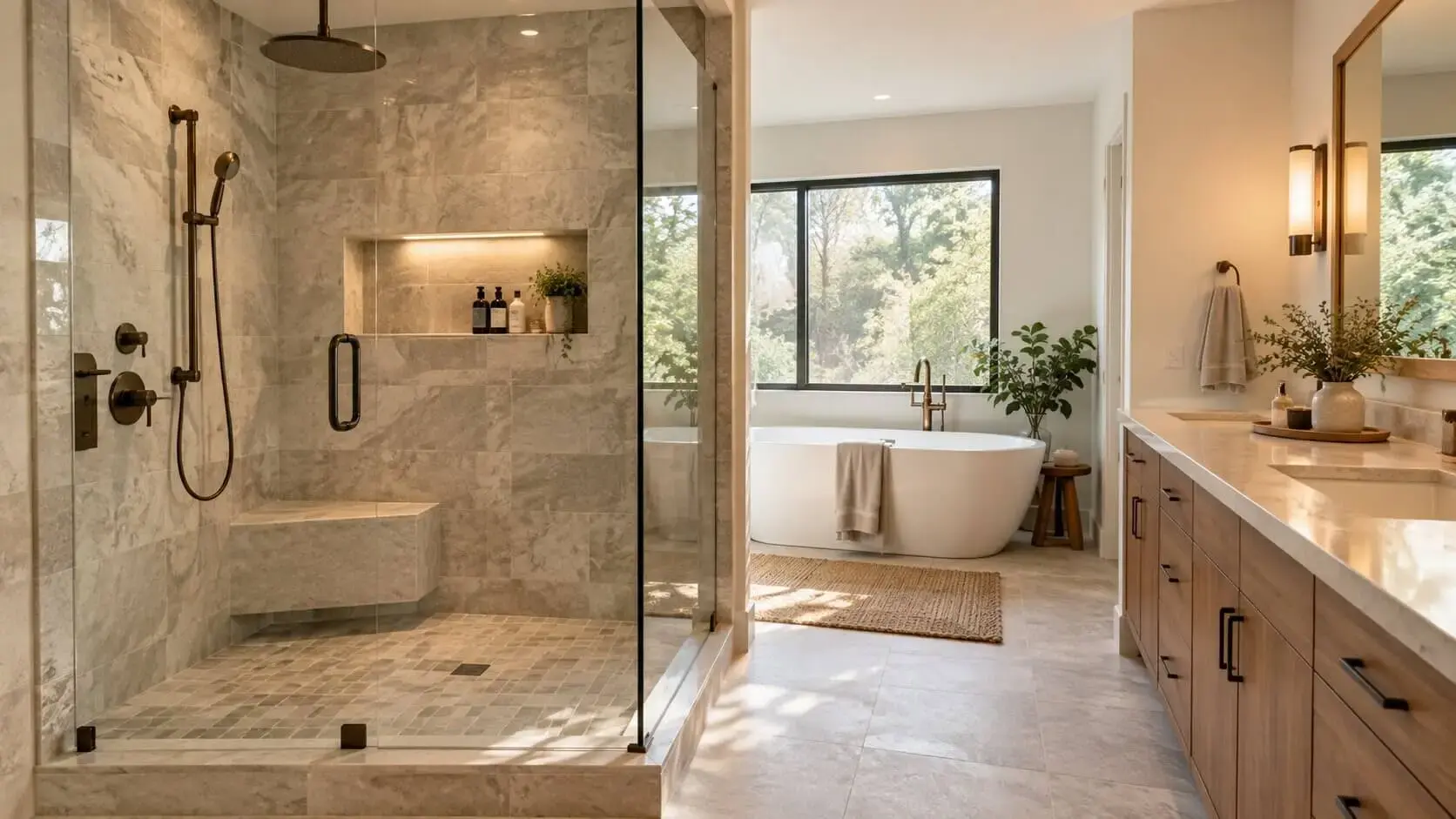
A small bathroom can feel cramped, outdated, or difficult to use when space is not planned efficiently. The good news is that a thoughtful remodel can improve functionality, storage, and appearance without requiring additional square footage. Understanding how to remodel a small bathroom starts with proper planning, smart design choices, and a clear renovation process.
Whether you want a modern update or a complete transformation, these practical ideas and steps can help you create a bathroom that feels larger, more comfortable, and more efficient.
Assessing Your Small Bathroom and Setting Goals
Before beginning any renovation project, evaluate your current bathroom and determine what improvements matter most.
Identifying Functional Needs and Design Priorities
Start by identifying the issues that affect daily use. Some homeowners need more storage, while others want a larger shower or updated fixtures.
Ask yourself:
- Is storage limited?
- Does the layout feel crowded?
- Are fixtures outdated or inefficient?
- Is better lighting needed?
- Would a walk-in shower improve functionality?
Creating a list of priorities helps guide design decisions throughout the remodel.
Determining Your Budget and Project Scope
Your budget will influence materials, fixtures, and the overall scope of work. Decide early whether your project involves cosmetic upgrades or a complete renovation.
A realistic budget should account for:
- Fixtures and cabinetry
- Flooring and wall finishes
- Plumbing and electrical work
- Labor costs
- Unexpected repairs
Clear budgeting helps prevent delays and costly surprises.
Small Bathroom Remodel Ideas to Maximize Space
One of the biggest goals in a small bathroom renovation is making the room feel larger and more functional.
Space-Saving Fixtures and Features
Compact fixtures can free up valuable floor space without sacrificing comfort.
Popular small bathroom remodel ideas include:
- Wall-mounted vanities
- Floating toilets
- Corner sinks
- Curbless showers
- Sliding shower doors
These features create a more open and streamlined appearance.
Smart Storage Solutions for Small Bathrooms
Storage often becomes a challenge in compact bathrooms. Instead of adding bulky cabinets, focus on efficient storage options. Consider incorporating recessed medicine cabinets, floating shelves, built-in shower niches, and vertical cabinetry. These solutions provide storage while maintaining an uncluttered look.
Using Light, Color, and Mirrors to Create Openness
Visual design plays a major role in how spacious a bathroom feels. Light-colored walls, large mirrors, and reflective surfaces help bounce light throughout the room. Natural light, where available, can further enhance openness. Even small changes in color and lighting can make a dramatic difference.
Planning a Functional Small Bathroom Layout
A successful remodel depends on a layout that maximizes every available inch.
Small Bathroom Layout Ideas for Better Flow
The best layouts minimize obstacles and create clear movement throughout the room.
Common layout strategies include:
| Layout Approach | Benefit |
| Shower at back wall | Creates visual depth |
| Floating vanity | Increases visible floor space |
| Corner fixtures | Maximizes usable area |
| Open shower design | Reduces visual barriers |
Choosing the right arrangement can make a small bathroom feel much larger.
Choosing the Right Vanity, Shower, and Toilet Placement
When planning fixture placement, focus on comfort and accessibility. Position major fixtures to maintain open pathways and avoid crowding. A compact vanity paired with a walk-in shower often provides more usable space than traditional layouts.
Making the Most of Vertical Space
Vertical space is often underutilized. Tall cabinets, wall shelving, and elevated storage solutions help increase organization without reducing floor space. Using the full height of the room creates additional storage opportunities while maintaining an open feel.
Step-by-Step Small Bathroom Remodeling Process
Understanding the renovation process helps homeowners prepare for each phase of construction.
Demolition and Preparation
The first step involves removing old fixtures, flooring, cabinets, and wall materials. Contractors also inspect the space for water damage, mold, or structural concerns. Addressing hidden issues early helps prevent future problems.
Plumbing and Electrical Updates
Once demolition is complete, plumbing and electrical systems are updated as needed.
This stage may include:
- Moving water lines
- Upgrading drains
- Installing new outlets
- Adding lighting fixtures
- Updating ventilation systems
These improvements ensure the bathroom meets current functional needs.
Installing Flooring, Walls, and Fixtures
After rough-in work is completed, installers begin adding new surfaces and fixtures.
Typical installations include:
- Floor tile or waterproof flooring
- Wall panels or tile
- Vanity and sink
- Shower components
- Toilet
- Lighting fixtures
This stage brings the design vision to life.
Final Finishing Touches and Inspection
The final phase includes painting, sealing, hardware installation, and final cleaning. Contractors inspect the completed work to verify proper operation, water resistance, and overall quality before the project is finished.
Benefits of Remodeling a Small Bathroom
A well-planned remodel offers benefits that extend beyond appearance.
Improved Functionality and Storage
Modern layouts and smart storage solutions improve organization and daily convenience. Even a small bathroom can feel significantly more functional after renovation.
Enhanced Comfort and Visual Appeal
Updated materials, improved lighting, and efficient layouts create a more enjoyable space. A fresh design can completely transform the overall atmosphere of the room.
Increased Home Value
Bathroom upgrades remain one of the most valuable home improvement projects. A modern, functional bathroom can enhance market appeal and attract future buyers.
Limited-Time Offer
Upgrade Your Bathroom for Less!
-
✓
Family-owned in L.A. since 1985 -
✓
$0 Down Payment / 0% Interest for 1 Year -
✓
Long-Term Financing Starting at 9.99%
📞Call Us Today: (888) 389-9955
Common Mistakes to Avoid During a Small Bathroom Remodel
Several mistakes can reduce the effectiveness of a renovation project.
Avoid these common issues:
- Choosing oversized fixtures
- Ignoring storage needs
- Using dark colors excessively
- Poor lighting placement
- Overcrowding the layout
- Failing to plan ventilation
- Underestimating the budget
Careful planning helps avoid costly corrections later.
FAQs
1. How much does it cost to remodel a small bathroom?
A. Costs vary based on materials, labor, and project complexity. Cosmetic updates are generally less expensive than full renovations involving plumbing or layout changes.
2. What is the best layout for a small bathroom?
A. The best layout depends on room dimensions. In many cases, a walk-in shower, floating vanity, and efficient fixture placement provide the most usable space.
3. How can I make a small bathroom look bigger?
A. Use light colors, large mirrors, efficient lighting, and space-saving fixtures. Keeping visual clutter to a minimum also helps create a more open appearance.
4. Should I choose a bathtub or shower for a small bathroom?
A. A walk-in shower often maximizes space and improves accessibility. However, homeowners who frequently use a bathtub may prefer keeping one if space allows.
5. How long does a small bathroom renovation take?
A. Many small bathroom remodels take several weeks, depending on project scope, material availability, and whether plumbing or structural changes are required.
Conclusion
Learning how to remodel a small bathroom starts with understanding your goals, planning an efficient layout, and selecting features that maximize every inch of available space. From smart storage solutions to modern fixtures and improved lighting, thoughtful design choices can dramatically improve functionality and appearance. For homeowners considering a complete renovation, working with experienced bathroom remodeling professionals can help ensure a smooth process and lasting results.

- 6 Bathroom Tile Materials Ranked for Wet Areas - September 30, 2026
- 8 Bathroom Remodel Mistakes That Waste Money and Where to Put It Instead - September 30, 2026
- Are Walk-In Tubs Still Worth Choosing for a Bathroom Remodel - September 30, 2026