Walk-in tubs have spent years as one of the most heavily marketed accessible bathing products in the country, especially to older homeowners and their families. That marketing has not slowed down, but the actual bathroom remodeling market has shifted underneath it. More homeowners are choosing curbless walk-in showers, tub-to-shower conversions, and other options that solve the same safety problem in different ways. If you are weighing a walk-in tub for your own remodel or for a parent’s home, the real question is not whether they exist or whether the ads are convincing. It is whether they still fit your situation better than the alternatives. This article walks through where they still make sense and where they no longer do.
What a Walk-In Tub Actually Is and What It Includes
A walk-in tub is a bathtub with a watertight door built into the side, a low step-in threshold, and a built-in seat that lets you bathe in a seated position. You open the door, step in over the low threshold, sit down, close and seal the door, and then fill the tub around you. When you are done, the water drains before you open the door and step out. Most models include grab bars, a slip-resistant floor, and a handheld sprayer, and many offer optional hydrotherapy jets, air jets, and heated surfaces.
The category ranges from simple soaker models with basic safety features to full hydrotherapy setups with air massage, water jets, chromotherapy lighting, and quick-drain systems. What all of them share is the door-and-seal design, which is the whole point of the product. Everything else is a feature choice layered on top of that core idea.
Why Walk-In Tubs Became Popular in the First Place
Walk-in tubs solved a real problem that had few good answers. Climbing over the wall of a standard tub is one of the most common causes of bathroom falls, especially for anyone dealing with balance issues, joint pain, or reduced mobility. A low-threshold entry, a stable seat, and grab bars inside the tub gave homeowners a way to keep bathing safely at home instead of giving up baths altogether or moving out of the home.
The therapeutic angle carried a lot of the appeal too. Warm water soaks help with arthritis, chronic pain, poor circulation, and general muscle stiffness. When walk-in tubs added hydrotherapy jets and heated seats, they became a way to get some of the benefit of a spa or physical therapy tub at home. For a long time, this combination of safety plus therapeutic bathing had no serious competitor in the accessible bathing space.
What Has Shifted in the Bathroom Remodeling Market
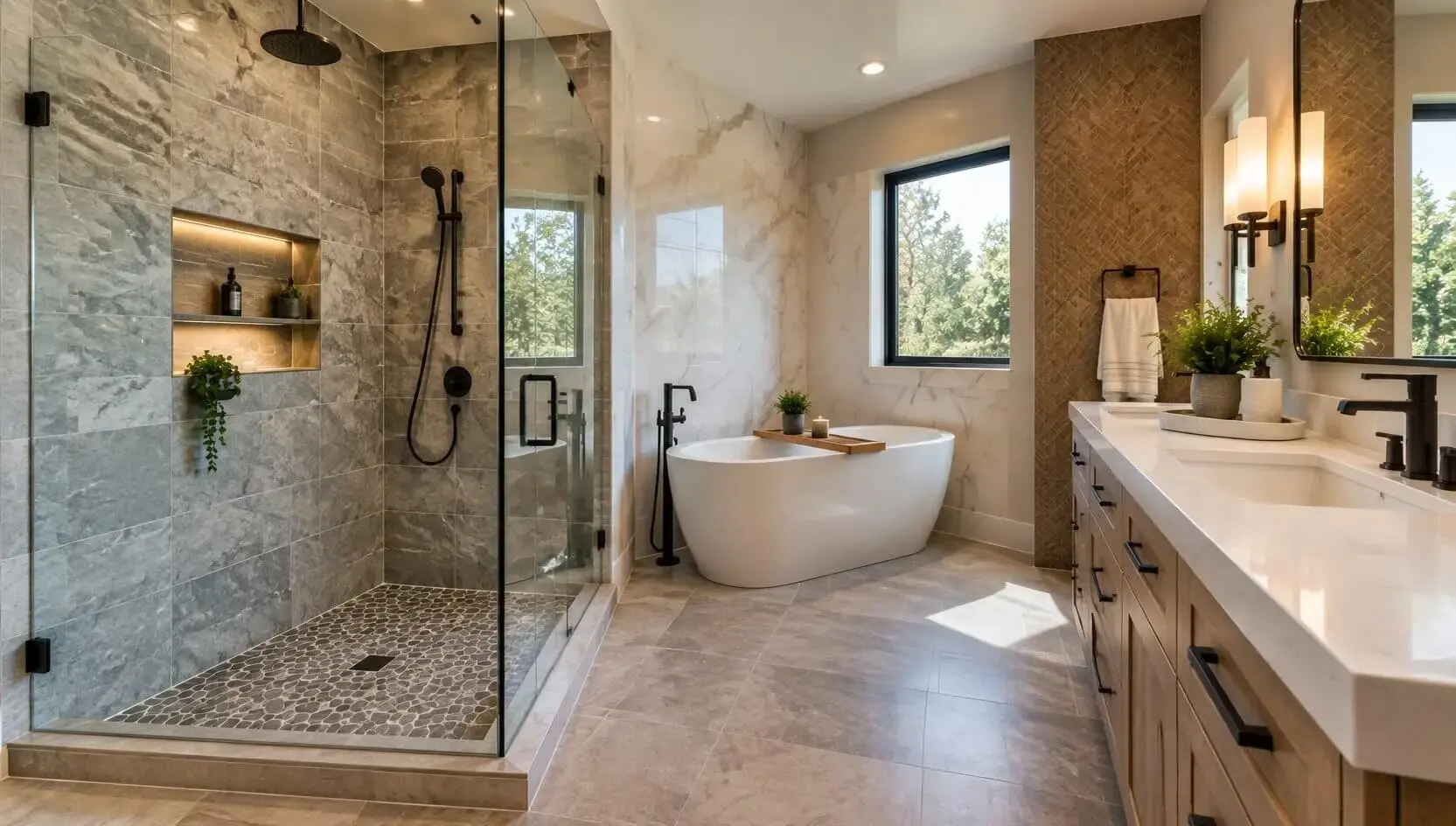
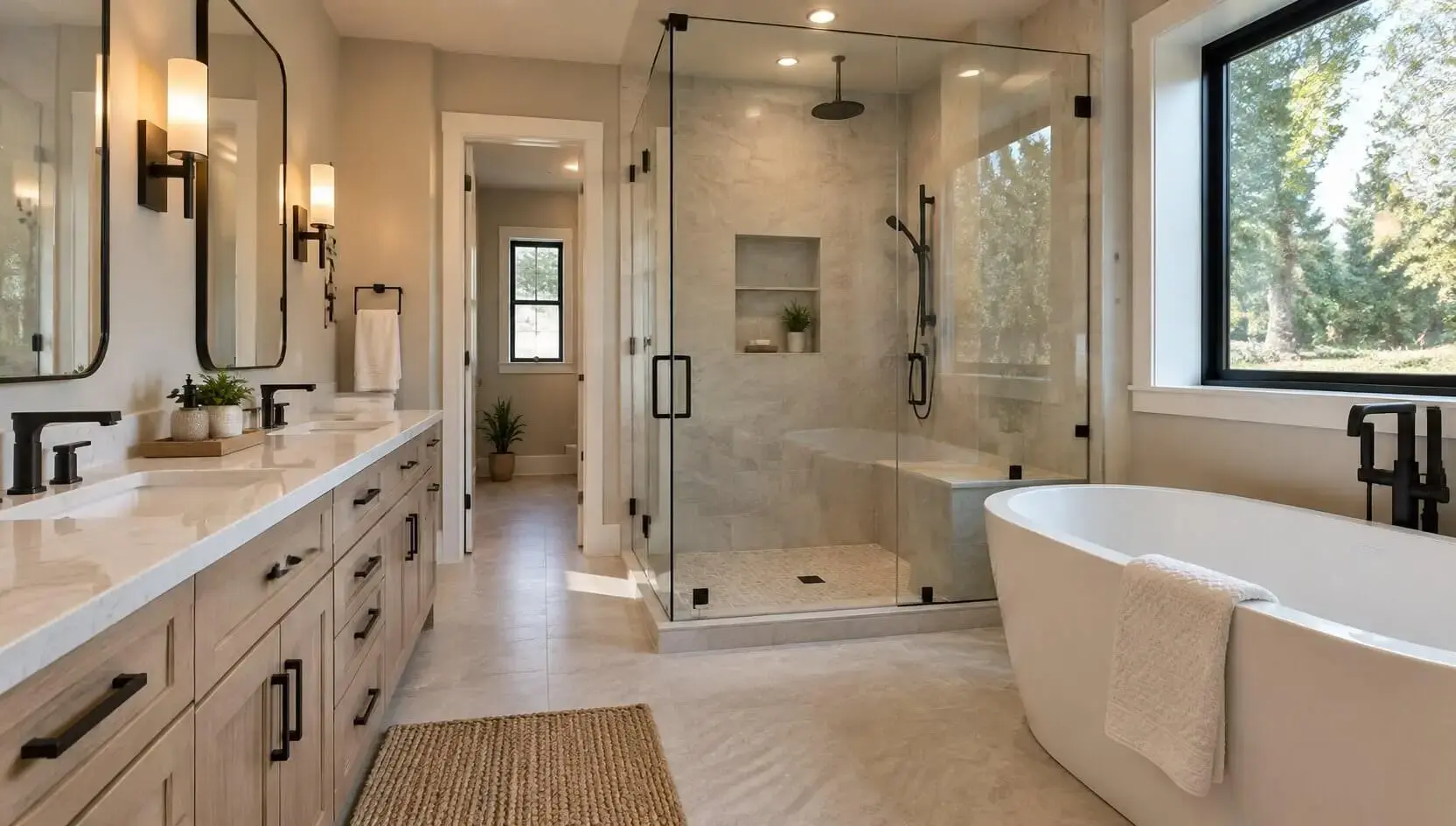
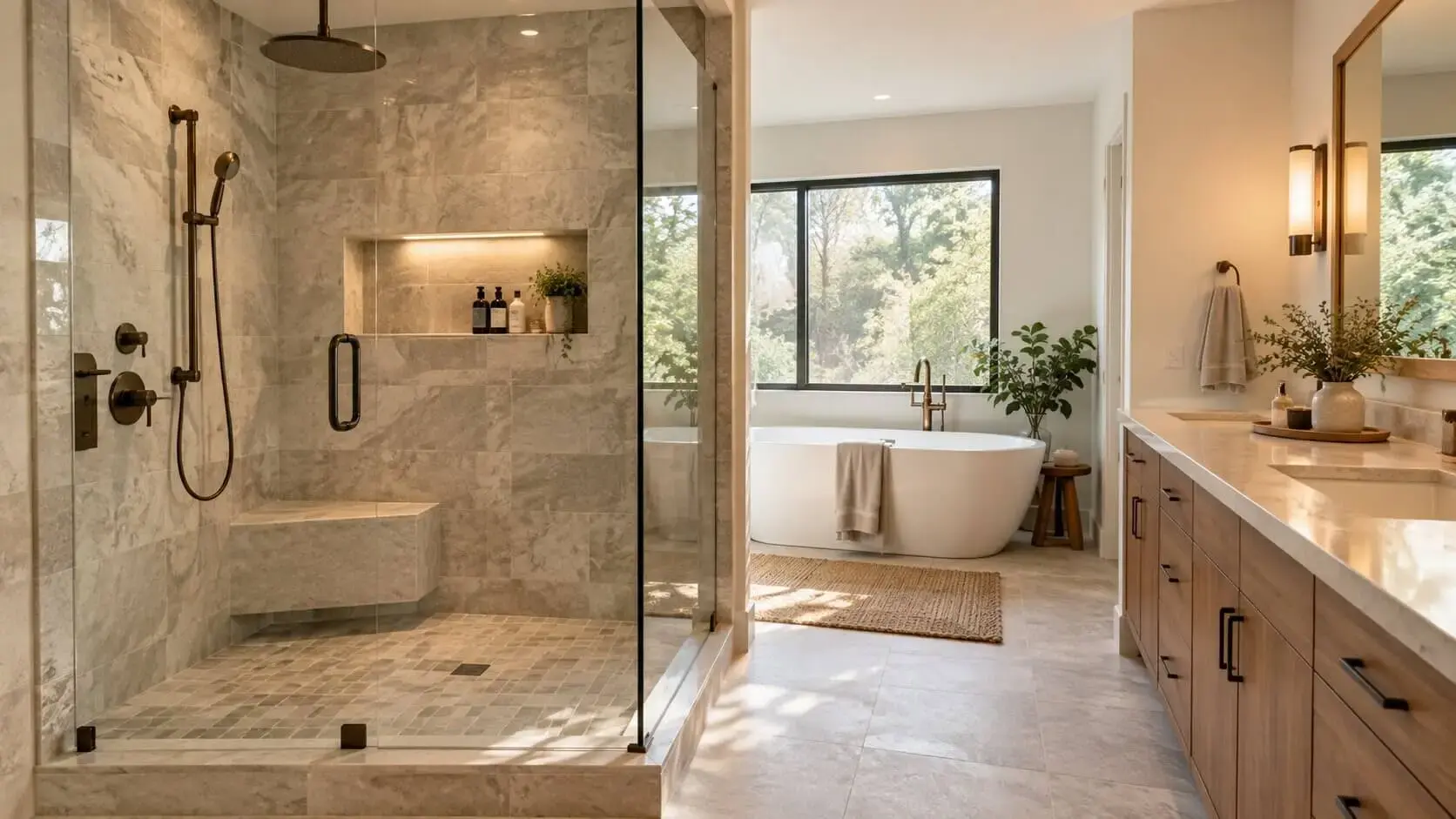
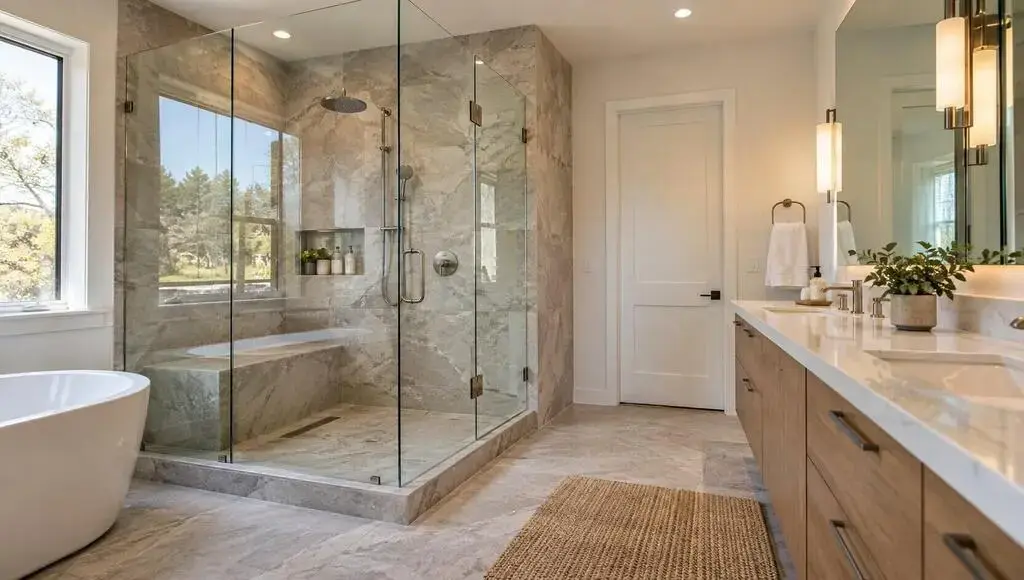
The biggest shift is that curbless walk-in showers and tub-to-shower conversions have moved from niche accessibility choices into the mainstream. A well-designed walk-in shower with a low or zero threshold, a built-in bench, grab bars, and a handheld sprayer solves most of the same safety problems as a walk-in tub, and it does so without the fill and drain time or the sealed-door design.
Bathroom design has also moved toward “fewer tubs, better tubs.” The tubs staying in remodels are increasingly freestanding soaking tubs chosen for how often someone will actually soak in them, not utility tubs kept for resale. In many primary bathrooms, the tub is disappearing entirely in favor of a larger walk-in shower. Walk-in tubs sit uncomfortably in the middle of that shift, since they carry the footprint and cost of a full tub but do not fit the sculptural, soak-focused role that keeps freestanding tubs in the room.
None of this means walk-in tubs are obsolete. It means the mainstream conversation has moved to walk-in showers, and walk-in tubs now serve a narrower, more specific group of homeowners.
Where Walk-In Tubs Still Genuinely Fit
The category has not disappeared because there is still a real group of homeowners it serves better than any alternative. Two situations in particular stand out.
Homeowners Who Want to Keep Soaking
The single strongest case for a walk-in tub is the homeowner who wants to keep taking baths, not just showers, and cannot safely get in and out of a standard tub anymore. A walk-in shower with a bench is a fine place to sit and rinse, but it is not a bath. If soaking is part of how you actually relax, manage joint pain, or wind down, giving that up may be a bigger loss than the cost and inconvenience of a walk-in tub. In that specific case, the tub does something no shower conversion can.
Specific Mobility and Therapeutic Needs
Walk-in tubs also fit homeowners who benefit from consistent hydrotherapy at home. Warm water immersion, air massage, and targeted water jets can help with arthritis, chronic joint or muscle pain, poor circulation, and recovery from certain injuries. For homeowners who would otherwise travel to a therapy pool or spa several times a week, having that available at home has real value beyond the safety features. The tub becomes a wellness tool, not just an accessible fixture, and that changes the math on whether it is worth the investment.
The Honest Drawbacks Homeowners Should Weigh
Walk-in tubs come with trade-offs the sales materials rarely lead with. None of them make the product bad, but each one matters for the right buyer.
Fill and Drain Time
Because you have to be inside the tub with the door sealed before it starts filling, and inside again while it drains, the total bath time is longer than a standard tub. Fill times run several minutes depending on water pressure and tub size, and standard gravity drains take longer than most homeowners expect. Quick-drain systems help, but they do not eliminate the wait. Sitting through a slow drain in a cooling tub is one of the most common complaints from actual owners, and it is worth trying to picture that reality before committing.
The Step-In Threshold That Remains
Walk-in tubs are lower than a standard tub, but they still have a threshold you have to step over. That threshold is usually a few inches high, which is fine for many mobility issues but can still be a problem for wheelchair users, people with severe balance issues, or anyone unable to lift a foot over any raised edge. A curbless walk-in shower is genuinely zero-threshold and often a better fit for those situations. If you assumed a walk-in tub was completely flat entry, it is worth confirming the actual step-over height of any model you are considering.
Cost and Installation Complexity
Walk-in tubs cost significantly more than standard tubs, and installation is more involved than a straight swap. The door and seal, the drain system, the electrical work for jets and heaters, and the plumbing adjustments all add up. Older bathrooms often need floor reinforcement, doorway widening for delivery, or plumbing rework to accommodate the tub. The all-in project cost is closer to a bathroom remodel than a fixture replacement, which is worth understanding before you get quotes.
Water and Heater Demand
Walk-in tubs typically hold more water than a standard tub because they are deeper. That means more demand on the water heater to fill the tub at a temperature that stays comfortable throughout the bath. In homes with an undersized or aging water heater, the tub can start cooling faster than the fill finishes, which defeats the point. A remodeler should size the water heater to the tub, and a tankless upgrade sometimes makes sense as part of the project.
How Walk-In Tubs Compare to Walk-In Showers and Tub-to-Shower Conversions
For most accessibility remodels, the real decision is between a walk-in tub, a curbless walk-in shower, and a tub-to-shower conversion. Each solves the safety problem differently, and the right choice depends on how the homeowner actually wants to bathe.
| Factor | Walk-In Tub | Curbless Walk-In Shower | Tub-to-Shower Conversion |
| Entry threshold | Low step-in | Zero threshold | Low or zero, depending on build |
| Best for | Soaking with mobility concerns | Wheelchair or full accessibility | Retiring an unused tub for safer bathing |
| Total bath time | Longer (fill and drain) | Standard shower time | Standard shower time |
| Cost tier | Higher | Moderate to higher | Moderate |
| Installation scope | More involved | Moderate to major | Moderate |
| Resale appeal | Narrower buyer pool | Broadly appealing | Broadly appealing |
The biggest takeaway is that if the homeowner does not specifically want to keep soaking, a curbless walk-in shower with a bench, grab bars, and a handheld sprayer usually delivers better daily accessibility, universal appeal, and value. Walk-in tubs win when soaking is non-negotiable and standard tubs are no longer safe.
Resale and Long-Term Value Considerations
Walk-in tubs are not automatic value adds, and honest coverage of that helps homeowners plan the project realistically. In neighborhoods with a high share of older buyers or in homes marketed for aging in place, a well-installed walk-in tub can be a genuine selling point. In neighborhoods dominated by younger families, the same tub can narrow the buyer pool because parents want a standard tub for bathing children and washing pets.
The safest resale approach is usually to keep at least one standard bathtub somewhere in the home. If the walk-in tub goes into the primary bathroom, a secondary bathroom retaining a standard tub or a well-designed shower keeps future buyers comfortable. Removing the only tub in the house for a walk-in tub is usually a bigger risk to resale than removing it for a curbless walk-in shower, since the shower reads as a broad upgrade and the walk-in tub reads as a specialized fixture.
Practical Planning Factors Before You Commit
A walk-in tub project touches more of the bathroom than most homeowners expect, and the planning realities decide whether the finished product actually delivers on the promise. A few checks worth running before you commit:
- Is the bathroom large enough to fit the tub with clear space to open the door and move to the seat safely
- Can the delivery path (hallways, doorways, stairs) actually get the tub into the bathroom without dismantling walls
- Is the floor structurally rated to hold a full walk-in tub plus water and a person
- Is the water heater large enough (or fast enough) to fill the tub at a stable temperature
- Is the drain sized for a quick-drain system if you plan to use one
- Does the electrical panel have capacity for jets, heated seats, or air systems
- Is the ventilation strong enough to handle longer, warmer baths without moisture problems
- Does the homeowner actually plan to take baths often enough to justify the tub over a walk-in shower
A remodeler should walk through each of these with you before quoting the project. Older homes especially benefit from this checklist, since many need underlying updates before the tub can be installed cleanly.
When a Walk-In Tub Is the Right Call and When It Is Not
A walk-in tub is usually the right call if:
- The homeowner genuinely wants to keep taking baths and cannot safely use a standard tub
- Warm water soaking is part of managing a real medical condition
- The home has room for the tub without giving up the last standard bathtub in the house
- The homeowner plans to stay long enough for the investment to pay off in daily use
- A curbless shower has already been ruled out for reasons specific to that bathroom
A different option is usually smarter if:
- The homeowner rarely takes baths and mostly needs safer daily bathing
- Full wheelchair or zero-threshold accessibility is required
- The bathroom is the only full bath in a home marketed for resale to younger buyers
- The budget is tight and would be better spent on a well-designed accessible shower
- Fill and drain time would realistically be a frustration rather than a minor inconvenience
If more than one item from the second list applies, it is worth exploring a curbless walk-in shower or tub-to-shower conversion with an experienced accessible bathroom remodeler before ordering a walk-in tub.
Frequently Asked Questions
1. How long do walk-in tubs take to fill and drain?
A. Fill time usually runs several minutes and depends on tub size, water pressure, and household plumbing. Gravity drain systems are the slower option and can leave you sitting in cooling water for a noticeable stretch. Quick-drain systems shorten the wait considerably and are worth asking about when comparing models.
2. Do walk-in tubs use more water than a regular bathtub?
A. Most walk-in tubs hold more water than a standard tub because they are taller and designed for full-body seated immersion. That extra volume means more demand on the water heater and higher water use per bath. If baths are frequent, sizing the water heater and factoring in the utility impact should be part of the planning conversation.
3. Can you use a walk-in tub as a shower?
A. Many walk-in tubs include a handheld sprayer that lets you rinse off from the seated position, and some models are tall enough to allow a seated shower with a shower head as well. It is not the same experience as a walk-in shower, and it will not replace one for a homeowner who prefers standing showers. For households that want both real bath capability and everyday showering, keeping a separate shower makes more sense than trying to combine the two.
4. Do walk-in tubs add value to a home?
A. They can add appeal for buyers who prioritize aging-in-place features and reduce appeal for buyers who expect a standard bathtub. In neighborhoods with older buyers, the tub can be a plus. In neighborhoods dominated by families with children, it can narrow the buyer pool. Keeping at least one standard tub somewhere in the home usually protects resale flexibility.
5. How long does a walk-in tub last?
A. A well-built walk-in tub installed by an experienced contractor can last many years with regular maintenance. The door seal is the most common wear point and may need attention or replacement over time, and jets, pumps, and heaters can also require service. Choosing a reputable brand and a qualified installer matters more for longevity than any single feature spec.
Choosing the Right Bathing Solution for Your Home
The honest answer to whether walk-in tubs are still worth choosing is that it depends on how you actually want to bathe. If soaking matters and a standard tub is no longer safe, a walk-in tub still does something no shower can. If daily accessibility, universal appeal, and lower long-term hassle matter more than keeping the bath ritual, a curbless walk-in shower or a tub-to-shower conversion will almost always serve the household better.
The safest way to reach the right call is to look at the whole bathroom, not just the tub. Layout, floor structure, plumbing, water heater capacity, and how the homeowner actually uses the space each shape which option delivers on its promise. A short conversation with an experienced bathroom remodeling professional about your bathroom, your priorities, and your long-term plans usually clarifies the decision faster than more product research.

- 6 Bathroom Tile Materials Ranked for Wet Areas - September 30, 2026
- 8 Bathroom Remodel Mistakes That Waste Money and Where to Put It Instead - September 30, 2026
- Are Walk-In Tubs Still Worth Choosing for a Bathroom Remodel - September 30, 2026